Beyond the Big Bang: Could a Time-Reversed Cosmos Solve Physics' Biggest Mysteries?
The opening moments of cosmic history remain among the deepest unsolved problems in modern science.
Topic
20 articles on this topic.
The opening moments of cosmic history remain among the deepest unsolved problems in modern science.
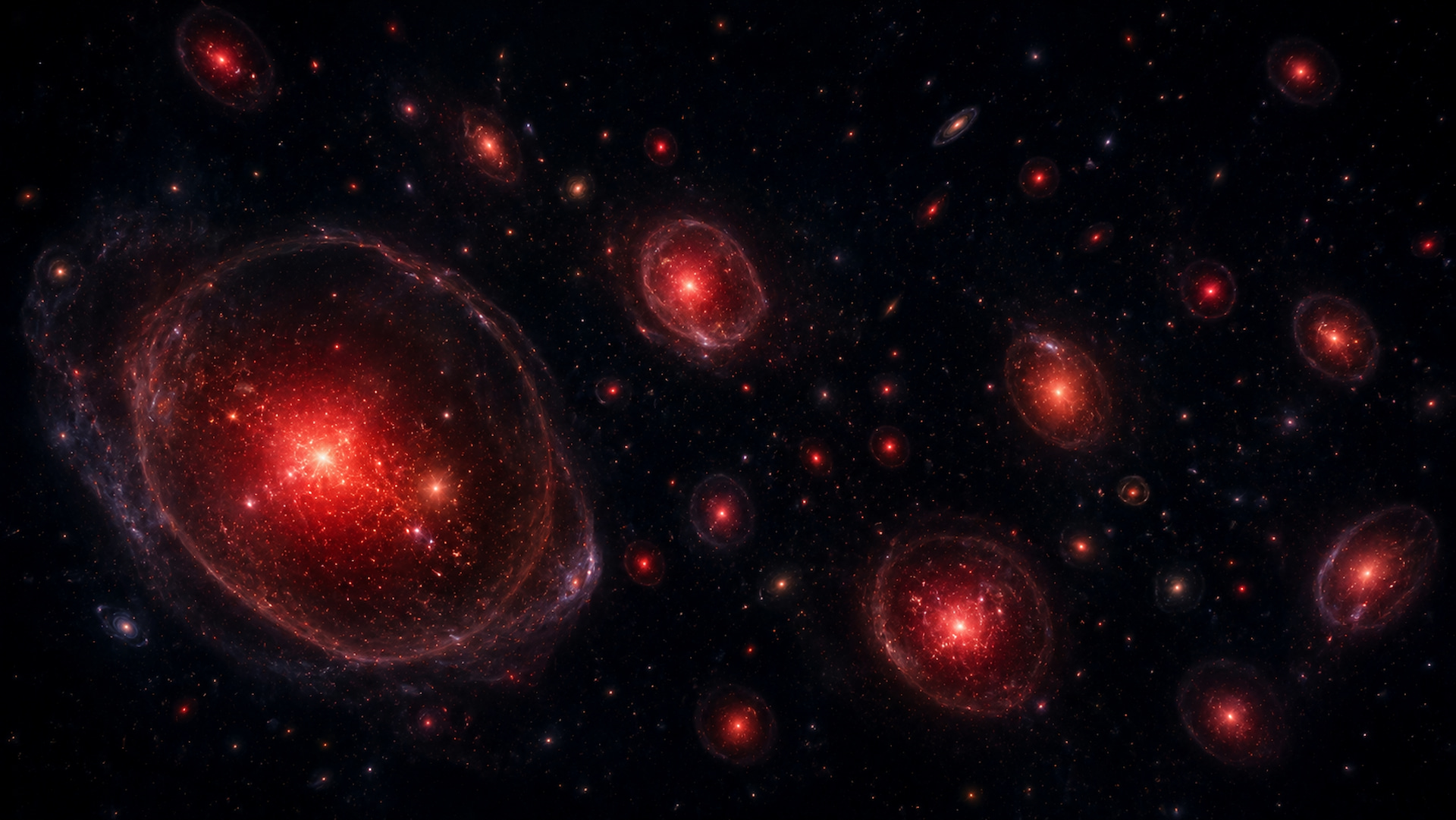
The deepest observations from the James Webb Space Telescope continue to uncover unexpected features of the early universe.
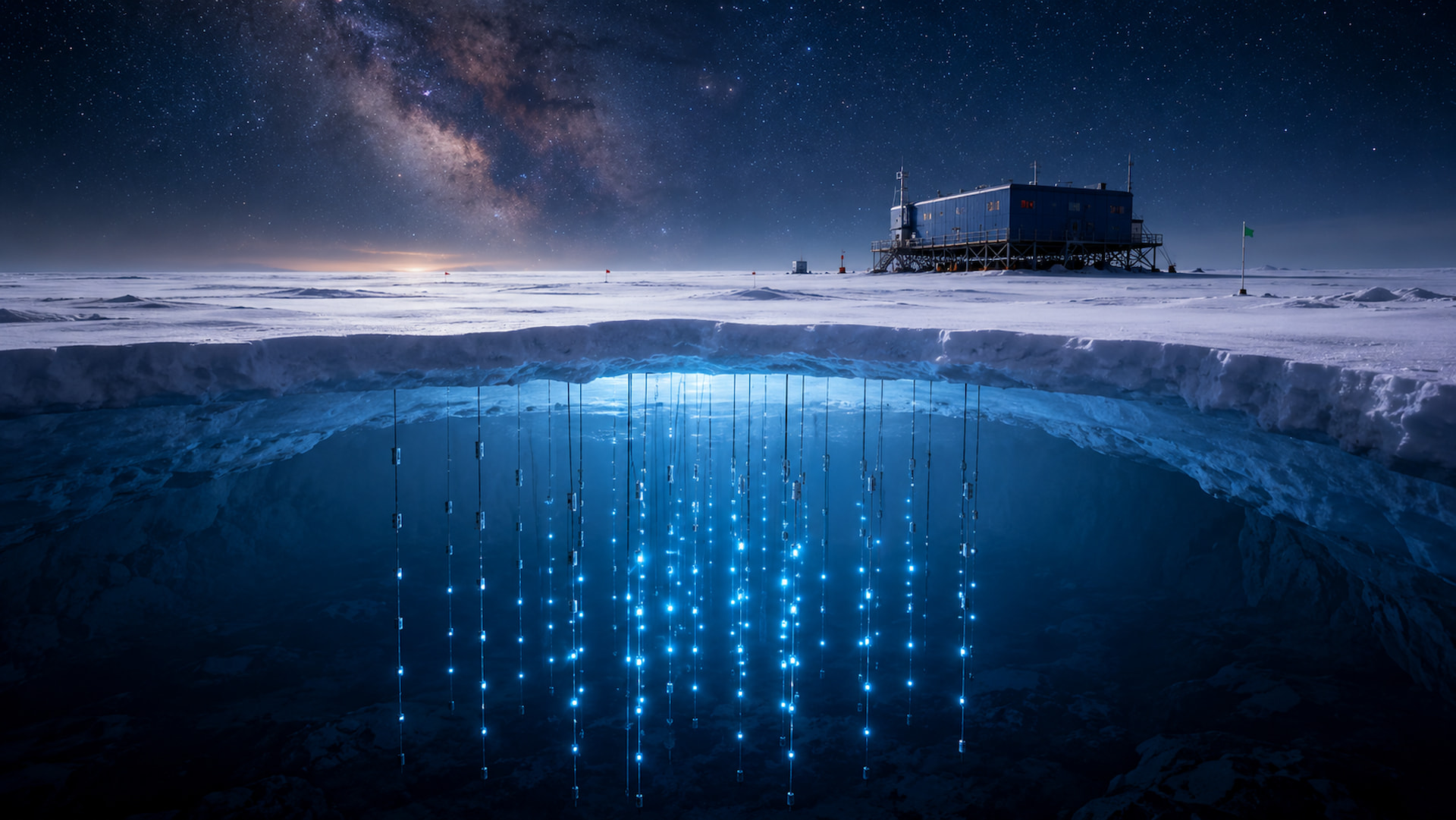
For years, the universe appeared to whisper in a predictable rhythm. Across the frozen silence beneath Antarctica, the IceCube Neutrino Observatory recorded…
Something broke physics in 2023. A single subatomic particle — a neutrino — came screaming into Earth carrying energy so obscene, so far beyond anything the…
In the late twentieth century, physics made a deliberate choice. To understand the weakest interactions in nature, researchers decided to eliminate almost…
For much of modern physics, neutrinos occupied a paradoxical position. They were known to be everywhere, produced in vast numbers by stars, reactors, and…
Deep beneath the Antarctic ice, in the tunnels of Japan’s Kamioka mine, and through the bedrock of the American Midwest, the same question echoes through…
Clyde Cowan and Frederick Reines, nuclear-weapons physicists, referred to the neutrino as "the smallest amount of material reality ever envisaged by man."…
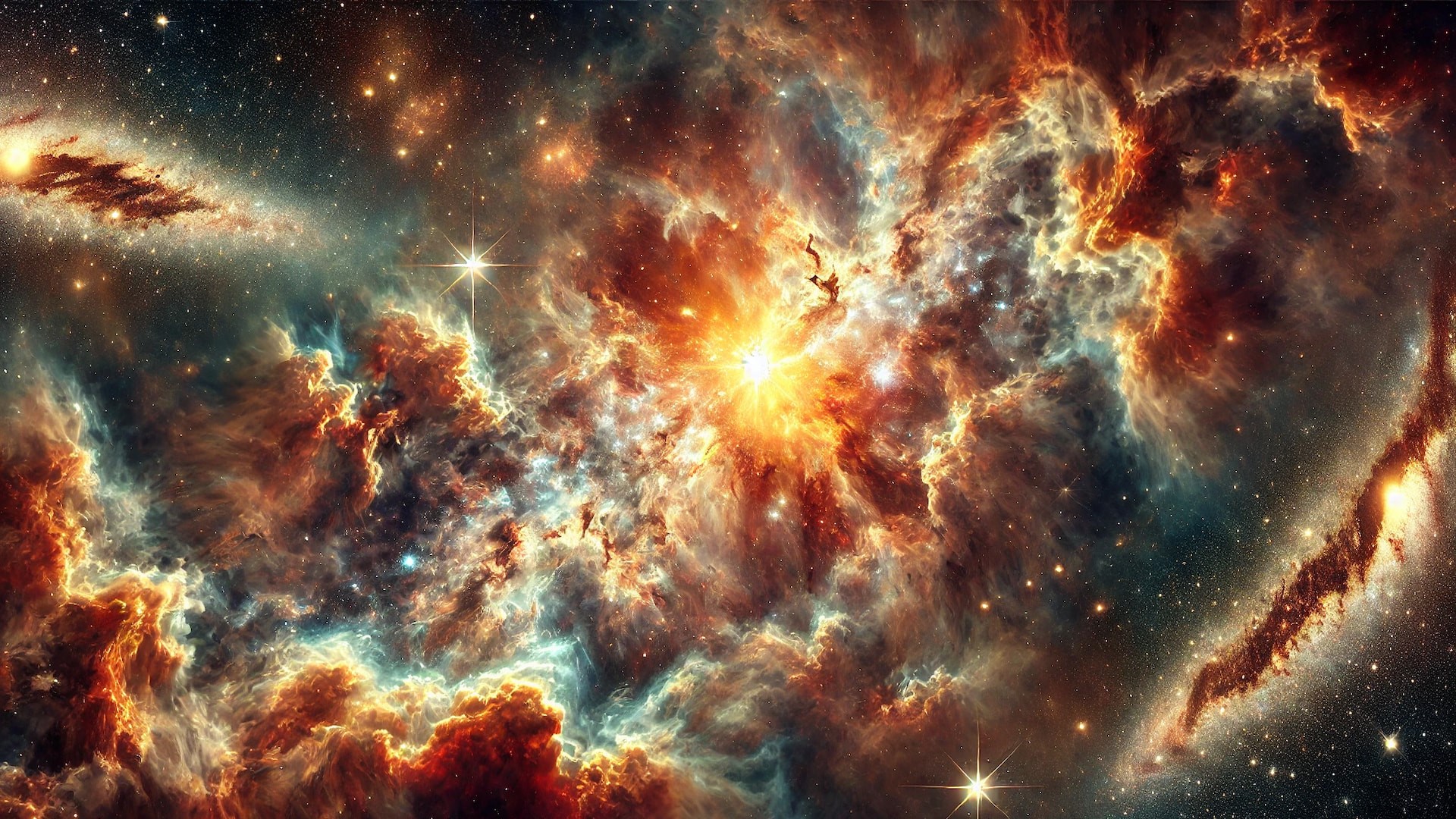
In the vast expanse of the universe, energy flows ceaselessly through the fabric of existence.
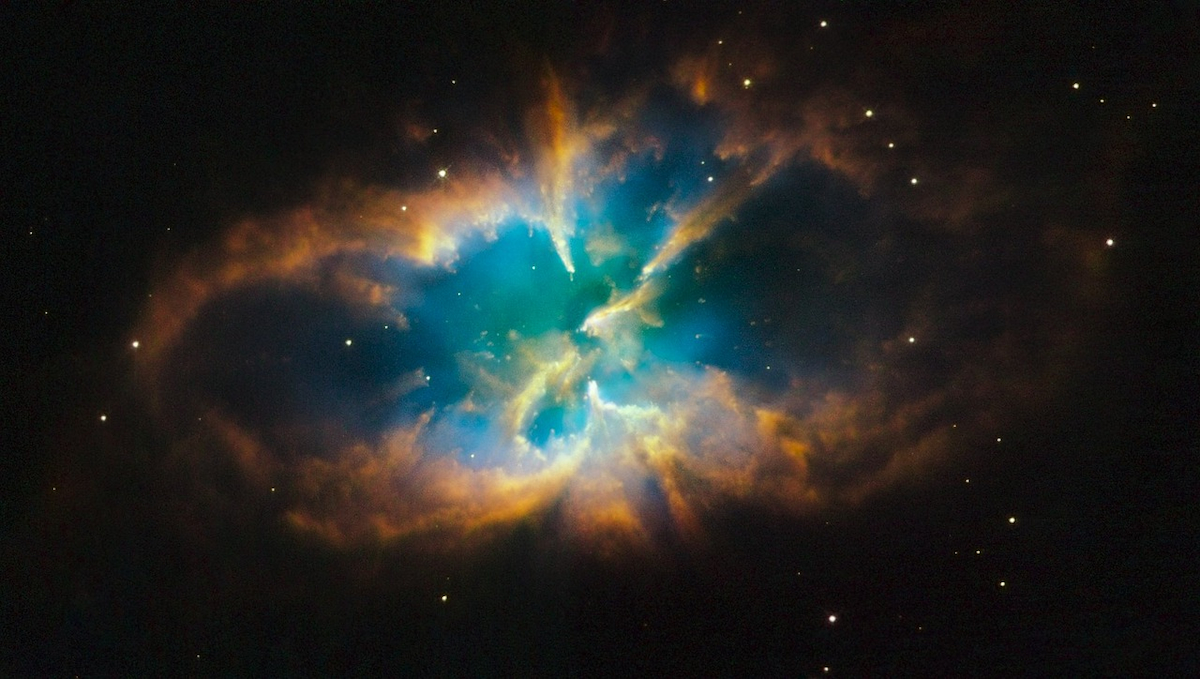
The enigmatic nature of neutrinos, born within celestial furnaces and cosmic cataclysms, holds the key to unlocking the profound mysteries of our vast…
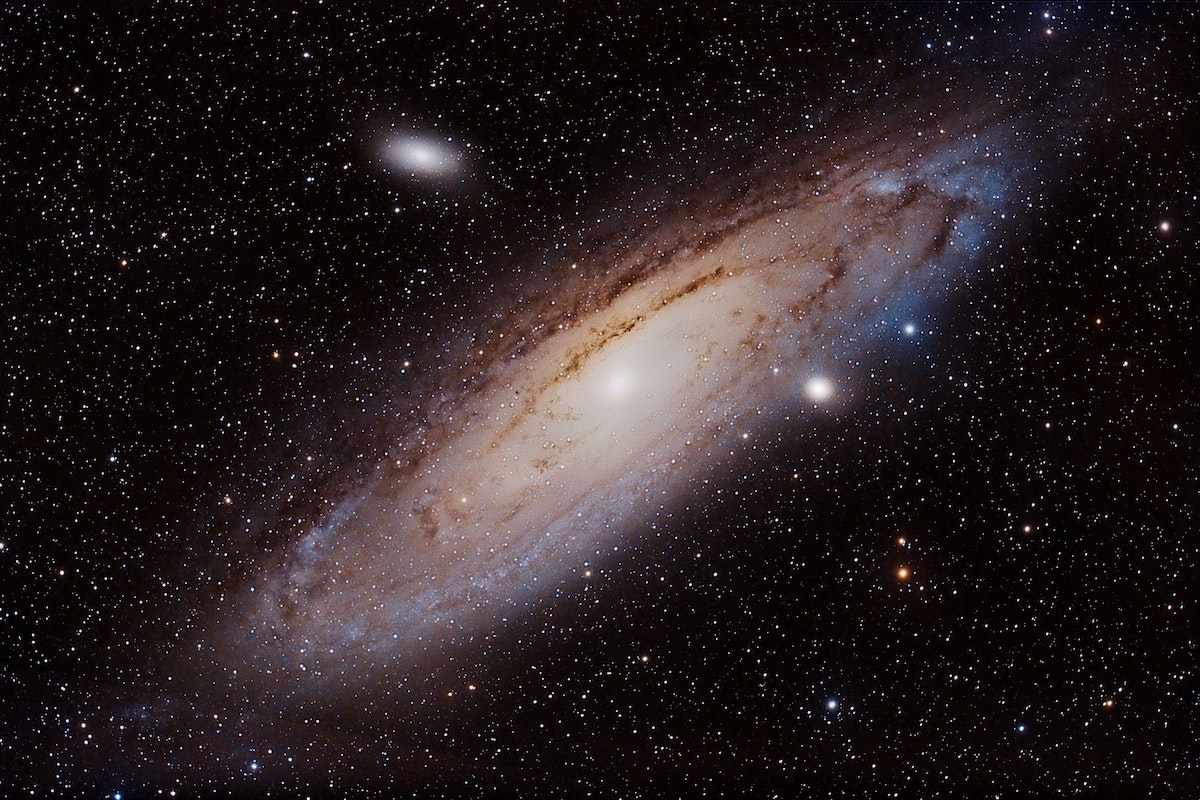
Neutrinos, often referred to as "phantom particles," possess extraordinary properties that offer profound insights into the workings of the universe.
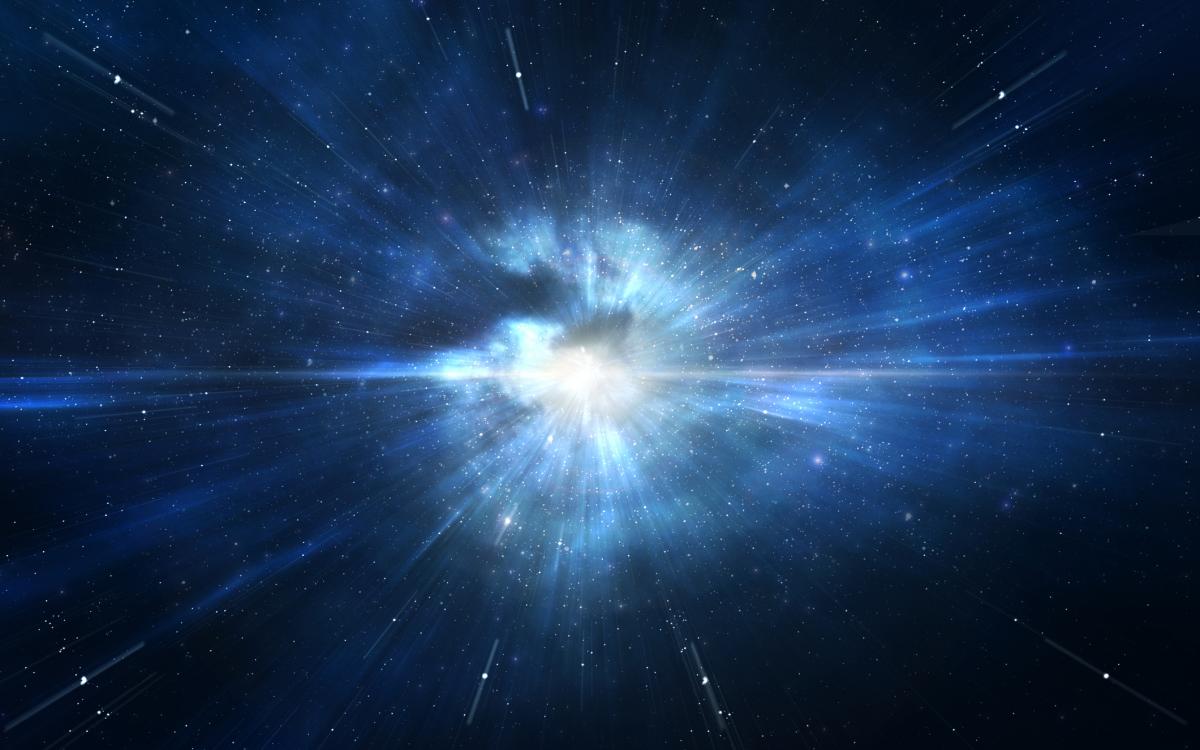
The genesis of all matter in the cosmos today has been theorized by physicists to be "neutrinos," one of the most prevalent fundamental particles in the universe.
Our understanding of gravity is based on Einstein's general relativity theory, which was finished in 1915.
The variety of exotic knowledge among scientists is astounding. For instance, we are aware that the Big Bang, a catastrophic event that occurred roughly 14…
Neutrinos are among the elementary particles, which are the fundamental units of matter and do not fragment into smaller units.
Massive neutron stars colliding in space are believed to be able to create precious metals such as gold and platinum.
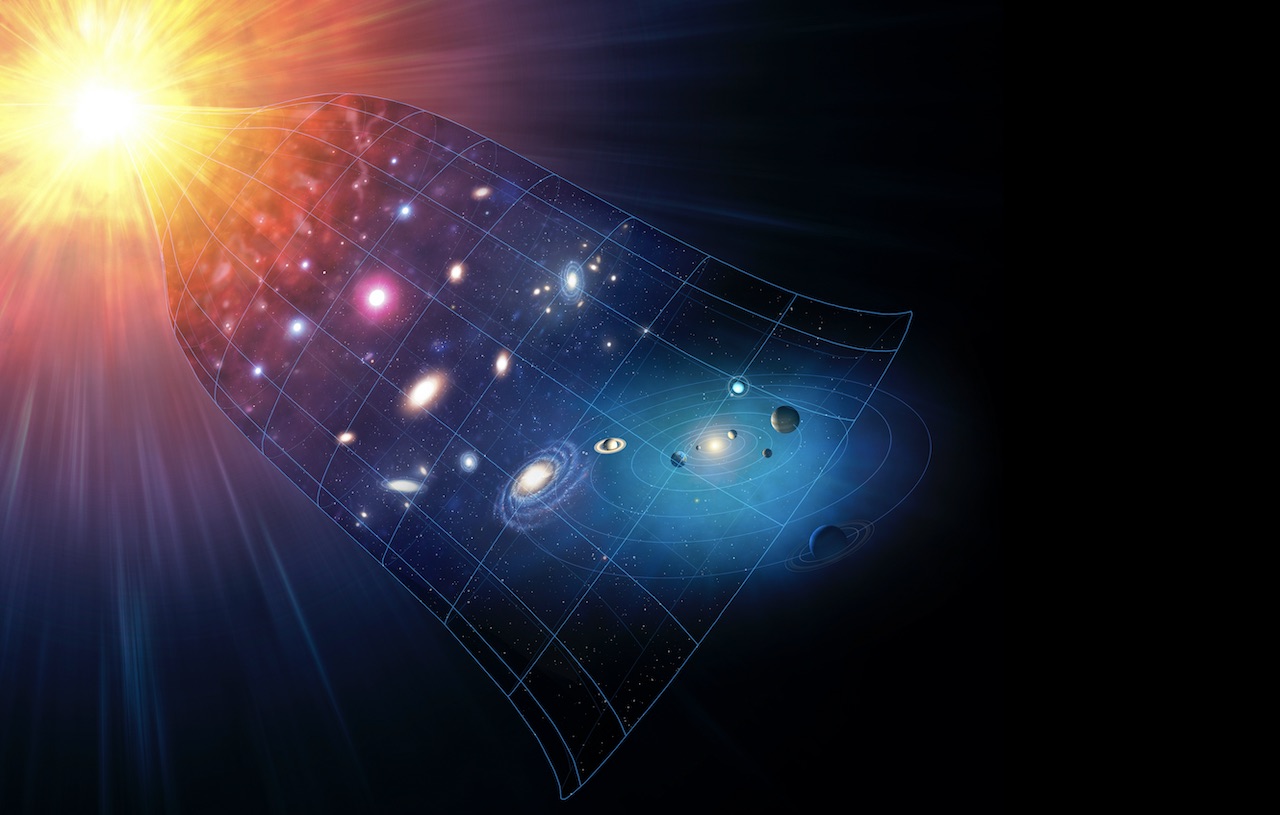
Even with the most powerful technology that humanity have access to at this time, mapping out the cosmos is a difficult task.
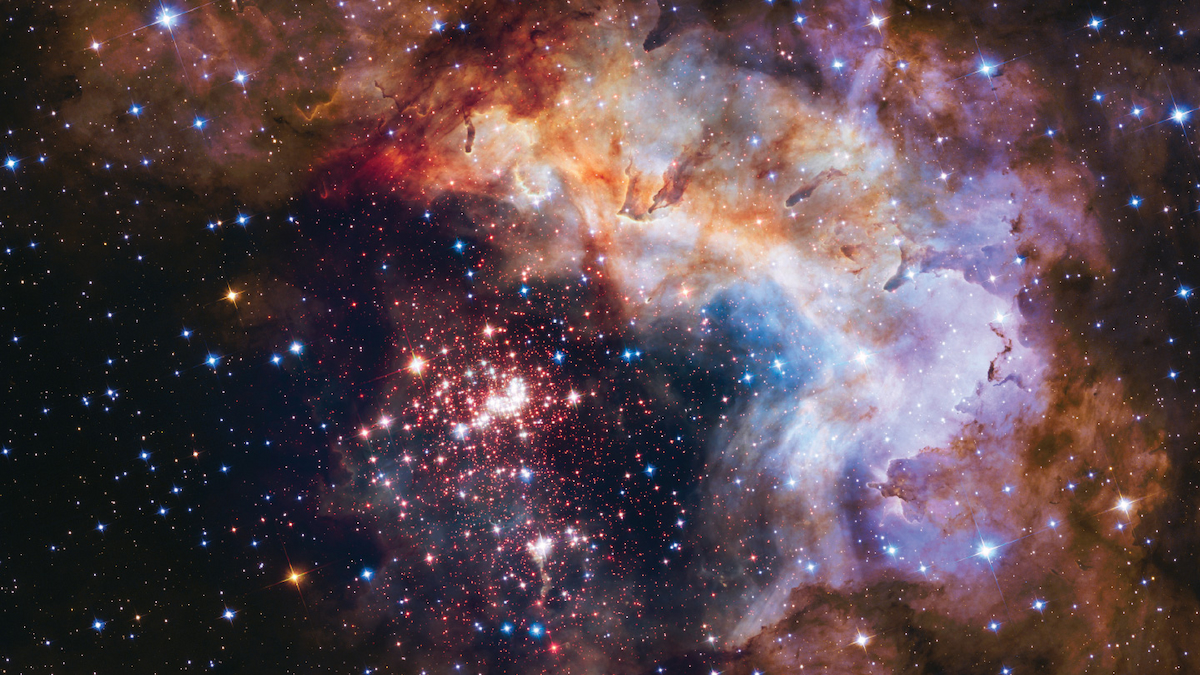
There is a possibility that the solution to one of the most perplexing questions about the cosmos can be found in one of the tiniest and creepiest particles.
We still have a lot to learn about space, but researchers who have looked at the universe's dark spaces say they believe they can generate "dark energy."
Some theorists suggest that the universe grows and contracts endlessly in an effort to comprehend the nature of the cosmos.