
Japan’s Underground Telescope Detects “Ghost Particles”: How Neutrinos Reveal the Hidden Universe
The detection of neutrinos—often called “ghost particles”—represents one of the most important frontiers in modern astrophysics.
Topic
25 articles on this topic.
Page 1 of 2
The detection of neutrinos—often called “ghost particles”—represents one of the most important frontiers in modern astrophysics.

In the cosmic theater, where the grand narratives of celestial phenomena unfold, there exists an ensemble of particles that dance on the fringes of human…
Relying on computational models, a global group of cosmologists has revealed that scrutinizing gravitational waves emitted from coalescing black holes could…
A new study claims that the distance between Earth and the black hole that is currently known to exist is only 1,560 light years.
The James Webb Telescope (JWST) has been used by a group of Canadian astronomers, including specialists from the Dunlap Institute for Astronomy & Astrophysics…
Astronomers have spotted a massive energy burst coming from space, and it looks to be moving at a speed 7 times faster than light.
Soon after the Big Bang, the cosmos was composed of an equal quantity of matter and "antimatter" particles, which are identical to matter but have the…
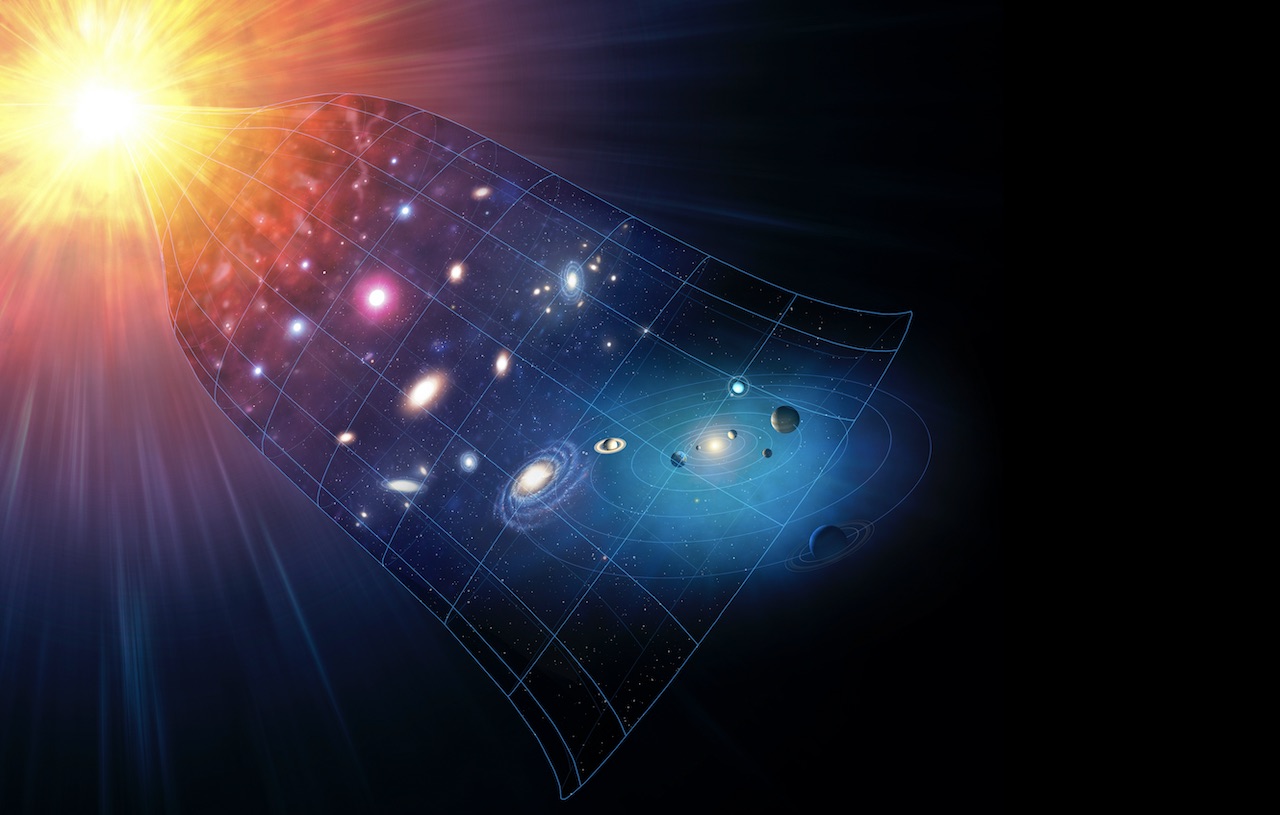
Even with the most powerful technology that humanity have access to at this time, mapping out the cosmos is a difficult task.
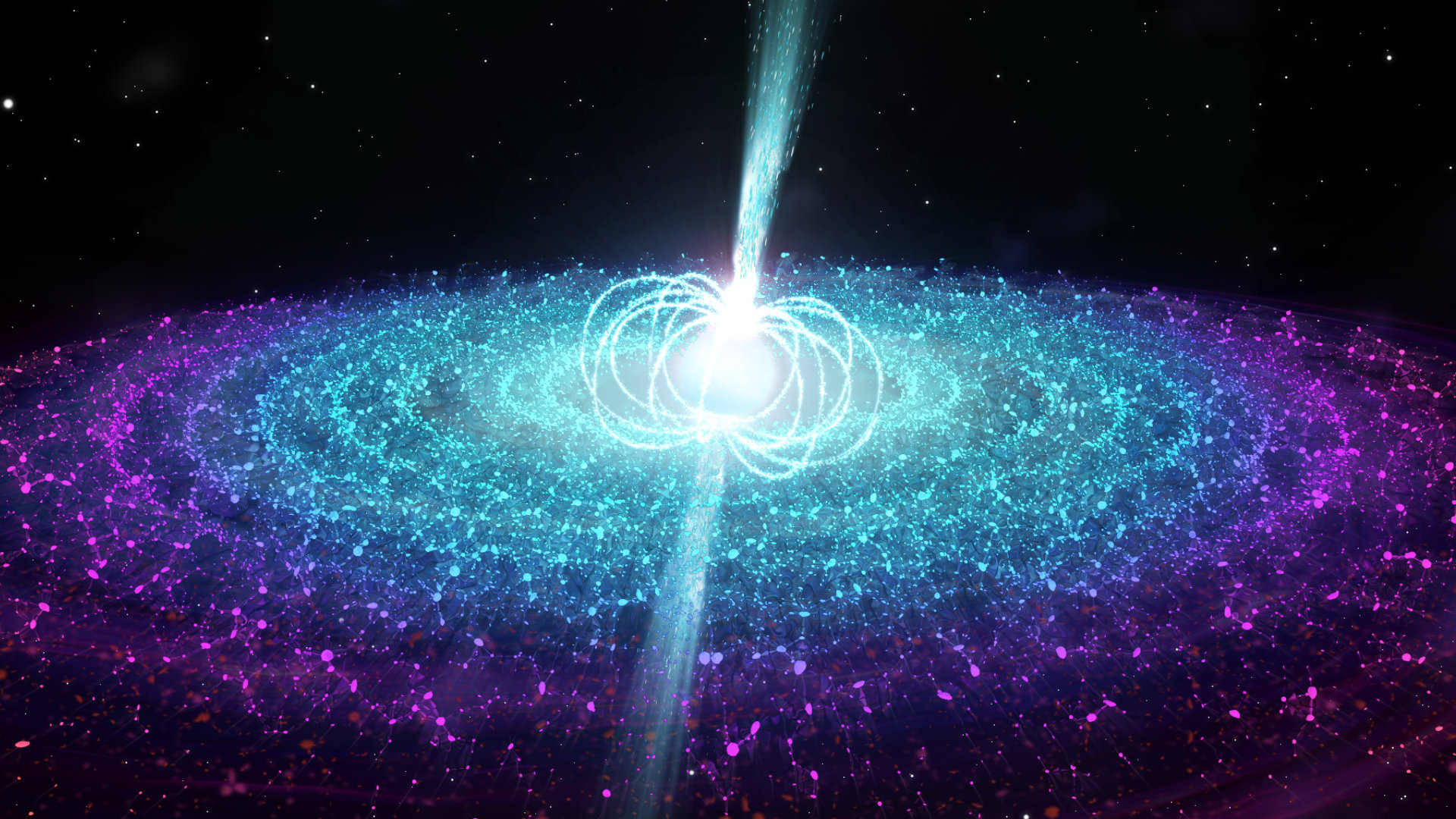
According to recent studies, a neutron star located south of the constellation Leo is the most massive of its kind yet discovered.
[vc_row][vc_column][vc_empty_space height=”24px”][vc_column_text]Since their initial discovery in 1956, neutrinos have confused scientists due to their lack…
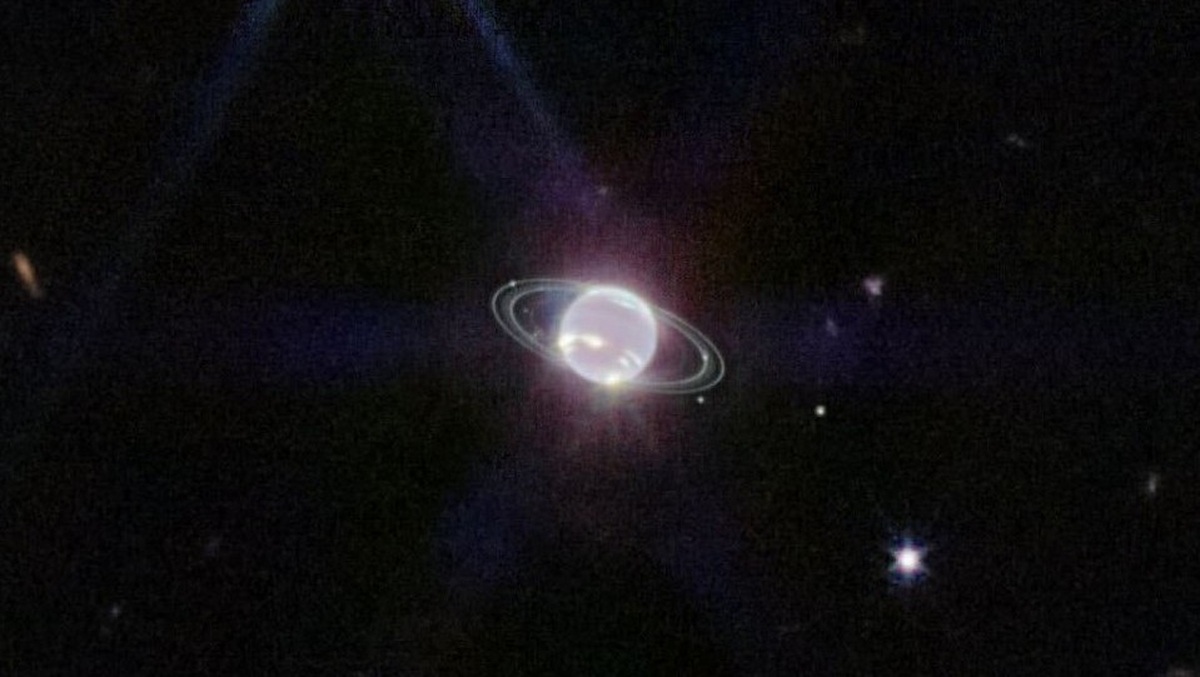
Thanks to the James Webb Space Telescope, people on Earth are gaining a completely fresh perspective on the rings of Neptune.
After studying a sequence of unusual brilliant flashes in a galaxy only 12 million light-years away, scientists had a peculiar case of déjà vu.
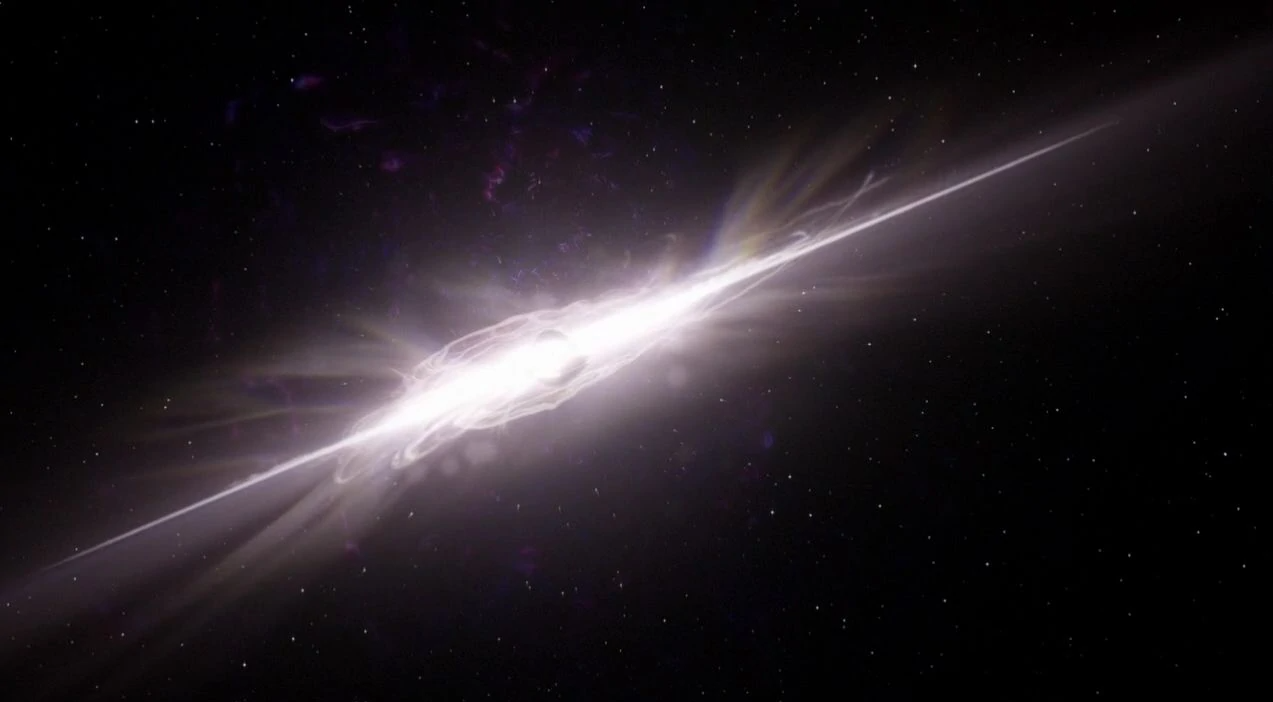
A group of researchers recently found 11 anomalies that had previously been unnoticed, and seven of those anomalies have the potential to become supernovae in…
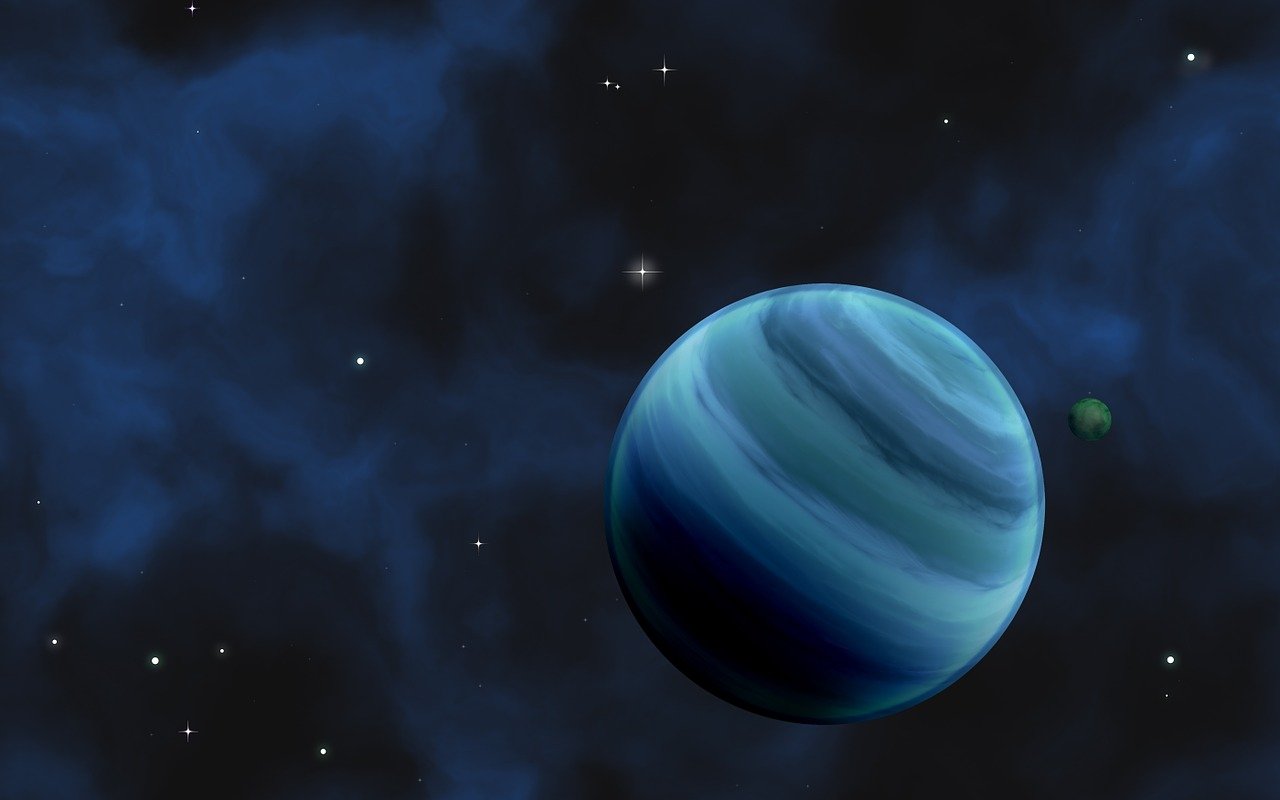
It is possible that mini-Neptunes and super-Earths share a great deal more in common than their status as superlatives.
We are now able to detect whether or not there are planets circling around dead binary stars thanks to the research that was conducted at a university in Mexico.
Blazars, the gas-consuming black holes at the heart of galaxies, may produce the majority of the neutrinos that Earth detects.
Massimo Pascale did not intend to investigate the SMACS 0723 galaxy cluster. However, as soon as he saw the cluster glistening in the first image captured by…
Huge plasma bubbles emanating from the heart of the Milky Way may include debris from the entire galaxy and beyond.
Astronomers identified the first exoplanets near a pulsar, a fast-revolving star, thirty years ago.
In the distant past of the cosmos, there is a galaxy that is observed to be whirling around faster than any other galaxy that has ever been observed doing so.

Ahead of the greatest premiere in the history of astronomy, NASA has revealed the cosmic A-list that will be seen through the lens of its enormous new space…
[vc_row][vc_column][vc_column_text]Our eyes are able to detect light, photons, but nothing else.
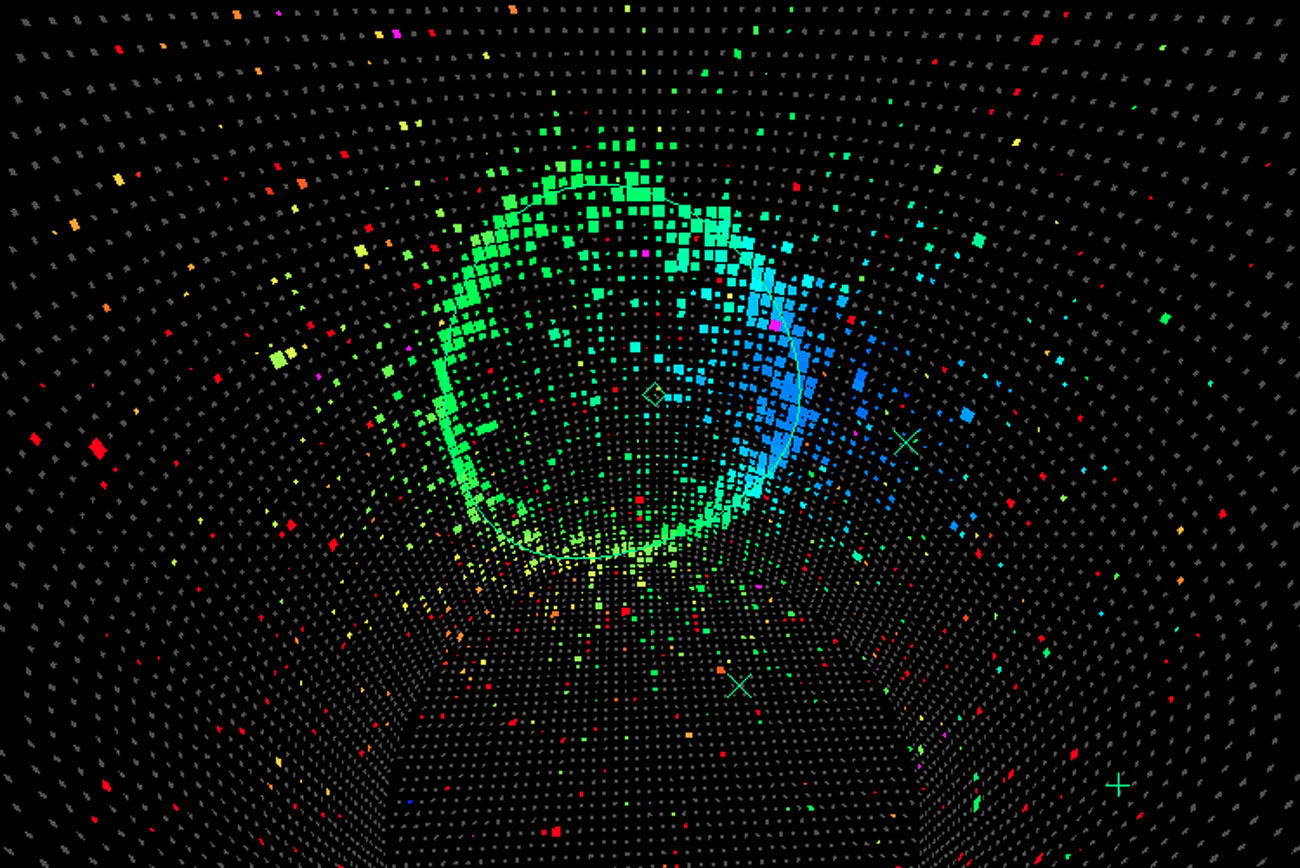
We’ll be delving into the strange and fascinating world of astronomy lingo in this series! Today’s theme, neutrinos, will be barely visible!
Due to the coming together of two large groups of astronomers in a new effort, groundbreaking findings about gravity waves, black holes, cosmic rays…