Neutrino Science
We realize they have three various masses as well, but we don’t know which of them is the lightest.
Today’s science is tomorrow’s technology
Neutrino-science.com aims to connect professional research in the field of neutrinos.
We realize they have three various masses as well, but we don’t know which of them is the lightest.
The fact that neutrinos exist in three flavors is maybe the most crucial thing to know about them.
One of the most successful ways for scientists to examine neutrinos is to use particle accelerators.
Neutrinos are elementary particles, which means they are one of the many sorts of small particles that make up the universe.
1930
Pauli’s neutrino proposal
1956
Neutrino direct detection
95
Years of neutrino science
2015
Nobel Prize in neutrino physics
…that could hold the key to answering many questions about the universe.
What are the properties of neutrinos?
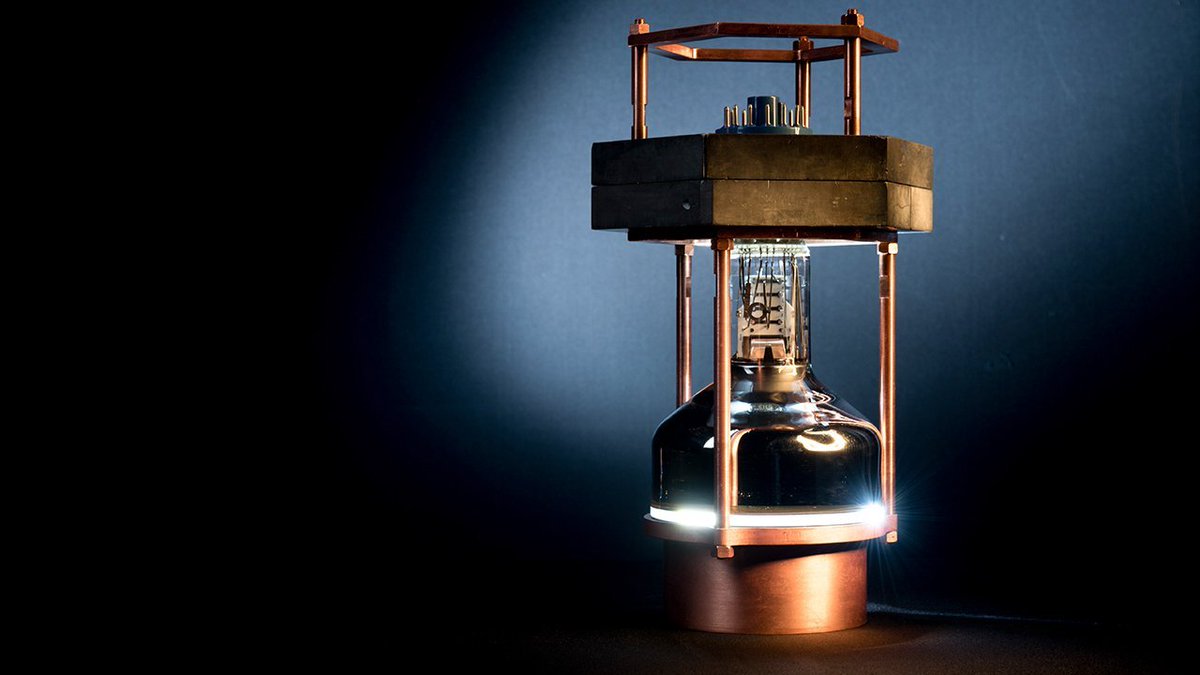
The fact that neutrinos exist in three flavors is maybe the most crucial thing to know about them. Each type of neutrino is regarded as a fundamental particle, or one of the fundamental building components of our universe that cannot be broken down further.
It’s true that a neutrino is a particle! It’s one of the so-called fundamental particles, meaning it’s made up of no smaller components that we’re aware of. Neutrinos belong to the same family as the most well-known fundamental particle, the electron.
From Pauli’s reluctant hypothesis in 1930 to the Nobel Prize in 2015 — a small, neutral particle with a long history.
Carbon pricing, border adjustments and what an international climate club would have to solve to give the Paris Agreement teeth.
Are neutrinos dangerous? How many pass through you right now? The questions people actually ask, answered in plain language.
Neutrinos, cosmic muons, heat and vibration pass unnoticed through everything — how one group is engineering materials to turn that background into electricity.
From Pauli’s “desperate remedy” to a Nobel Prize for ice, and the technology now being built on what the ghost particle taught us.

Why distance still decides who gets electricity — and how ambient flux could change the question energy policy has asked for a century.
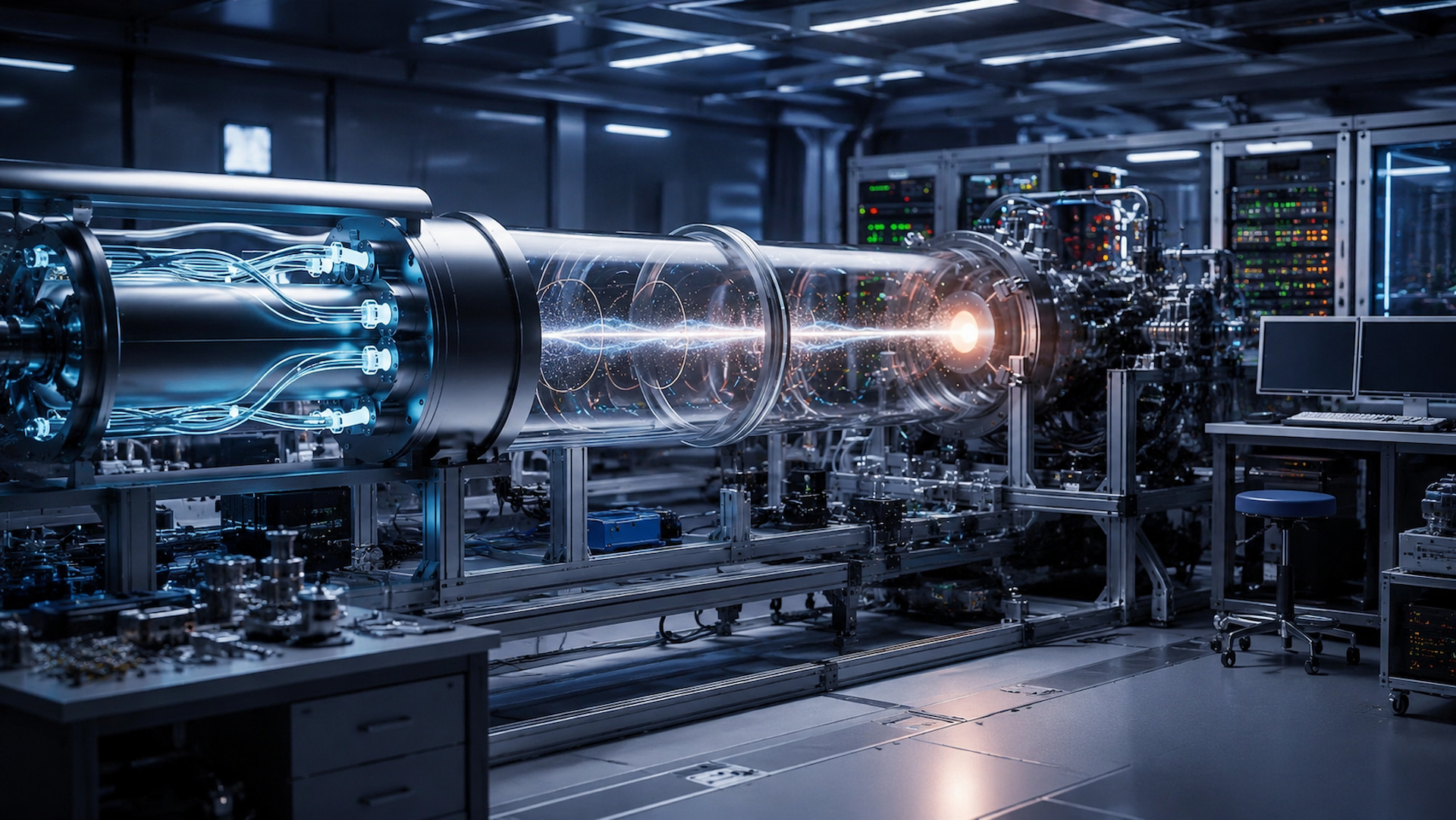
Neutrinos cannot lase the way photons do. Dicke superradiance may offer another route. A proposed rubidium-83 Bose-Einstein condensate could produce coherent…
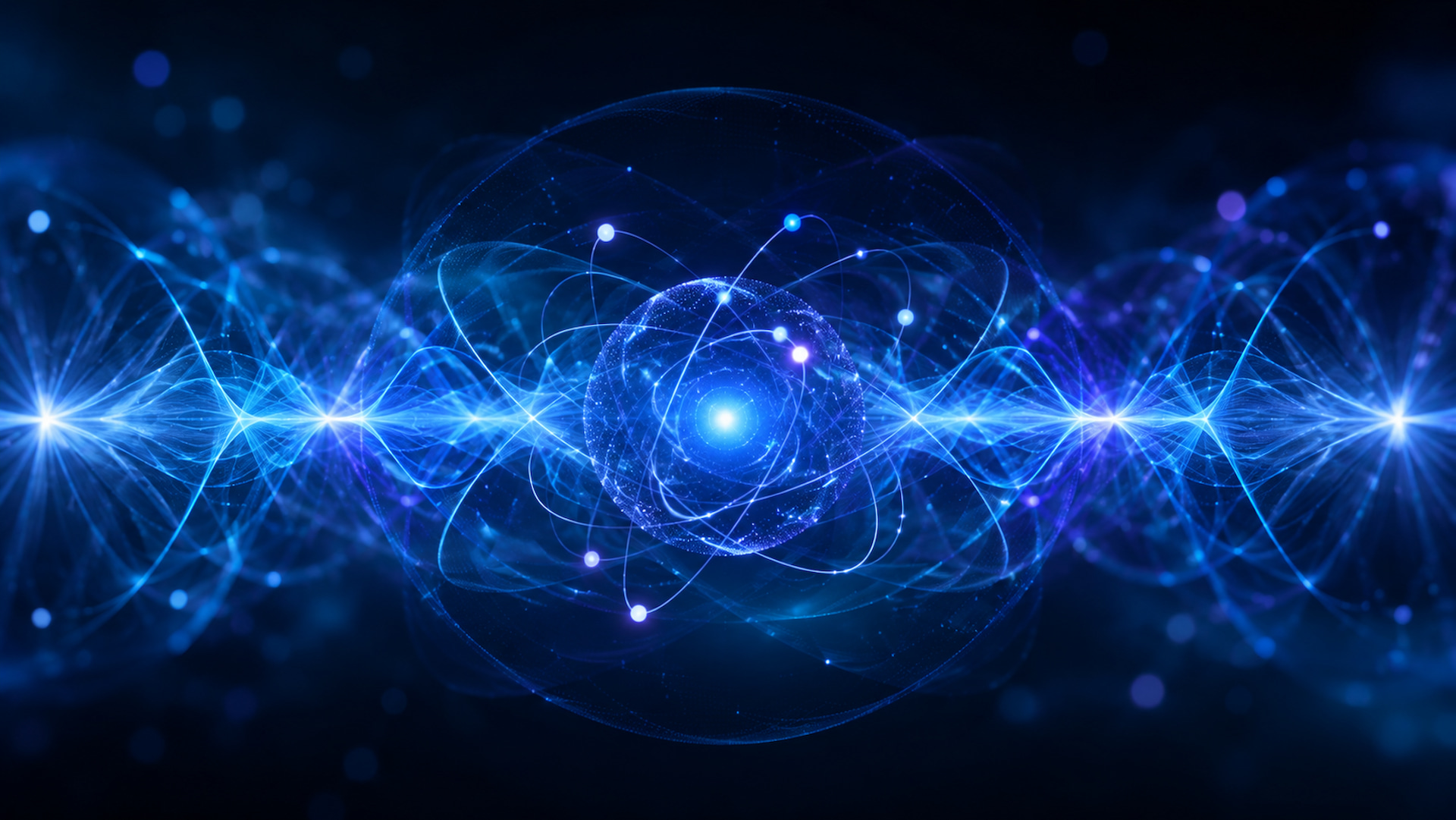
Where does waste end and useful energy begin? New quantum thermodynamics research from the University of Basel challenges the idea that this boundary is…
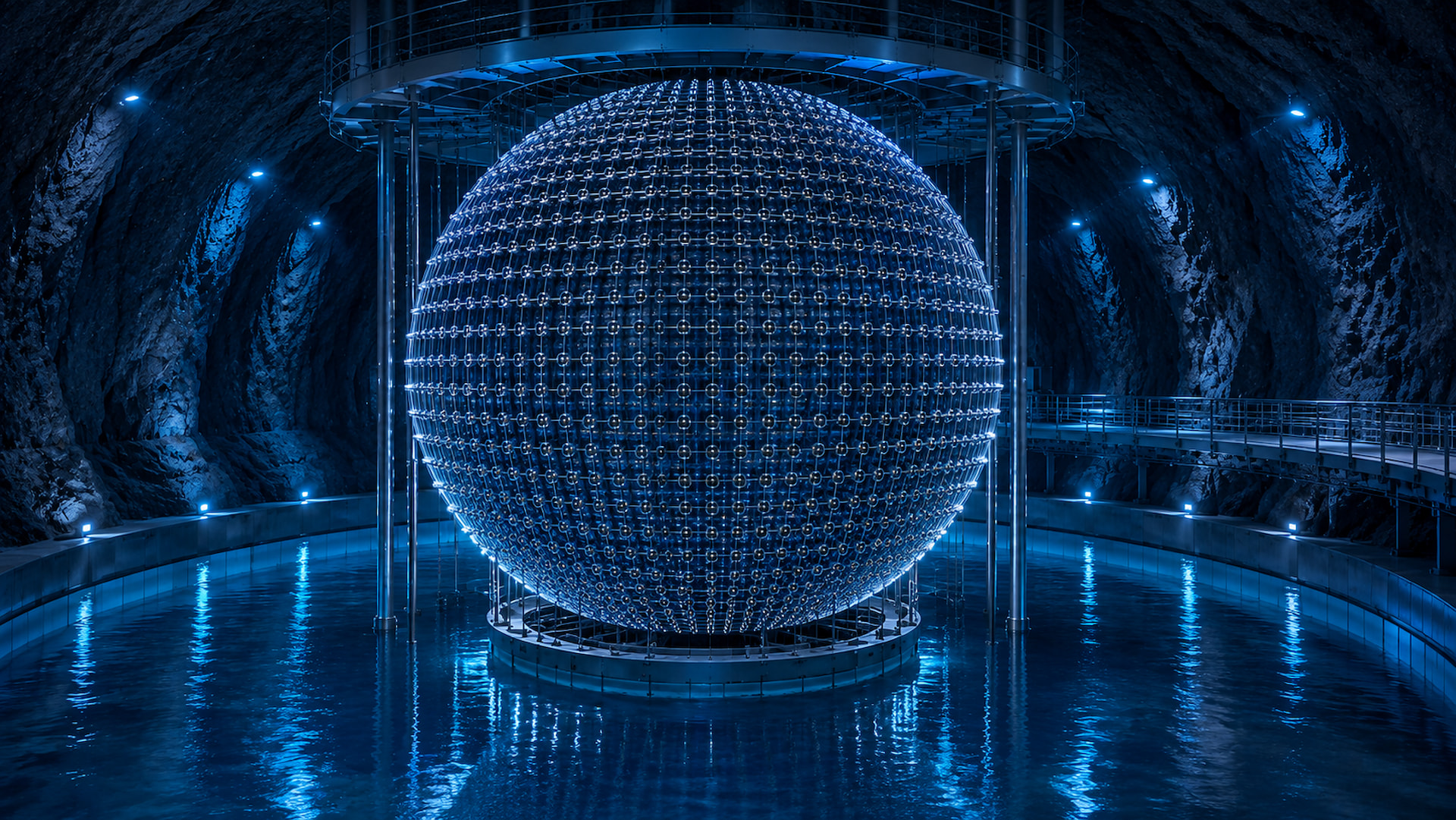
KATRIN’s 25-meter spectrometer was built to probe a particle property measured in fractions of an electronvolt.