
The Mysterious Neutrino: An Epic Scientific Odyssey Spanning Decades
The heart of our solar system, the Sun, generates its energy through a process known as nuclear fusion, primarily employing the proton-proton chain.
Topic
12 articles on this topic.
The heart of our solar system, the Sun, generates its energy through a process known as nuclear fusion, primarily employing the proton-proton chain.
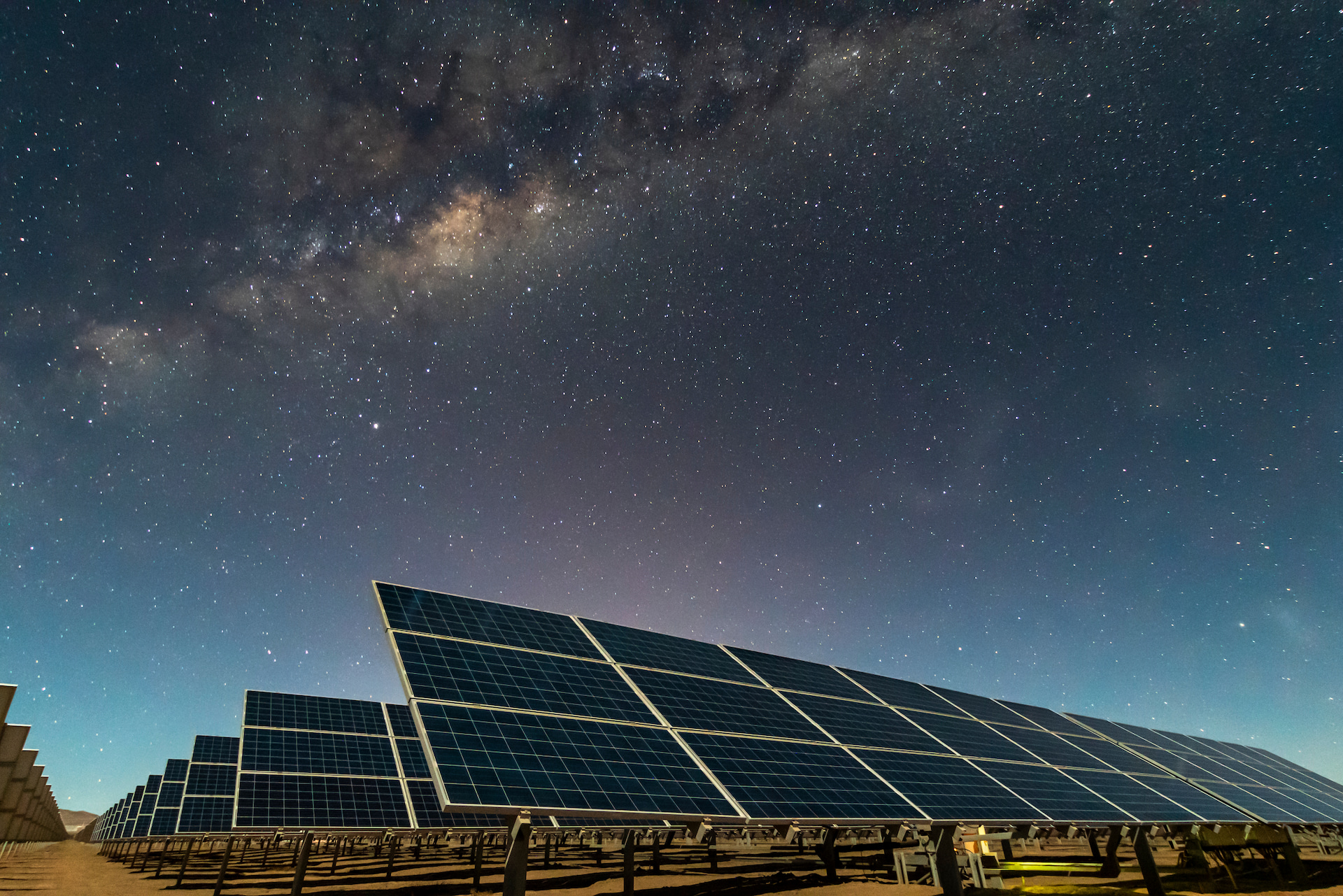
When considering the future of renewable energy, it is inevitable that our minds turn first to the sun.
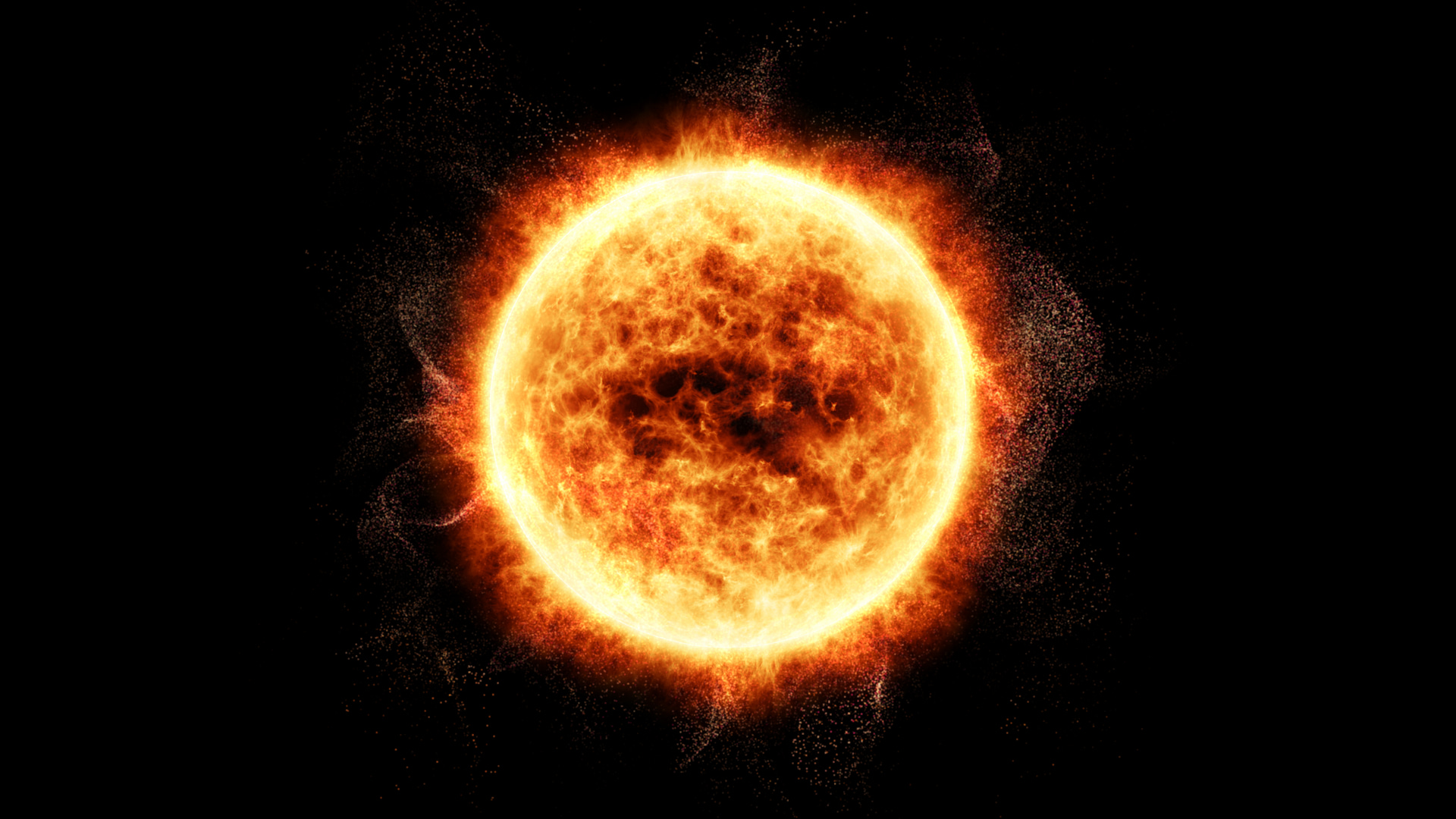
The concept of harnessing the sun's power is deeply rooted in human history. As early as the seventh century, sunlight was magnified to create fire.
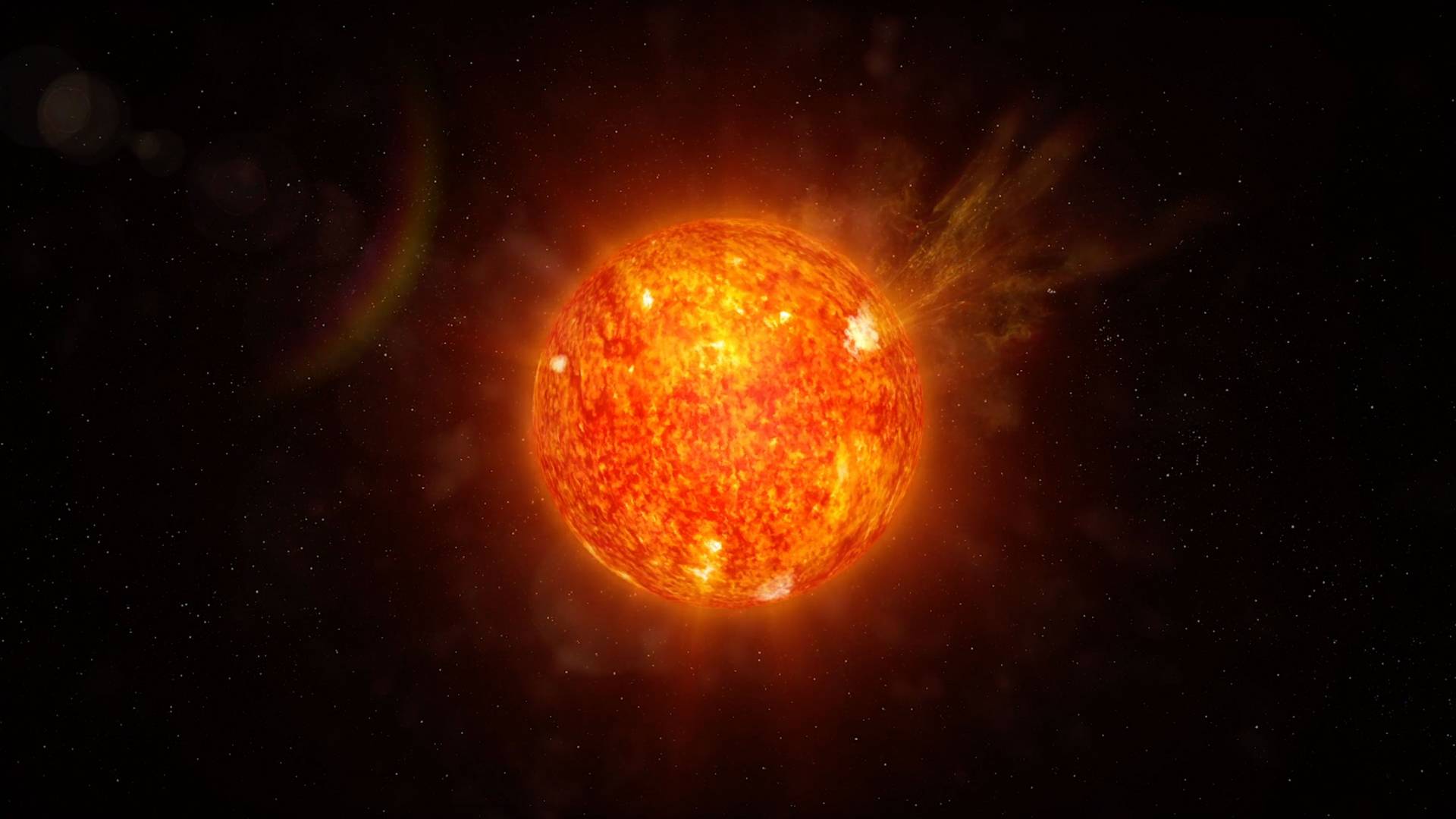
After two decades of discussion, scientists are coming closer to determining the precise composition of the sun and, by extension, the cosmos.
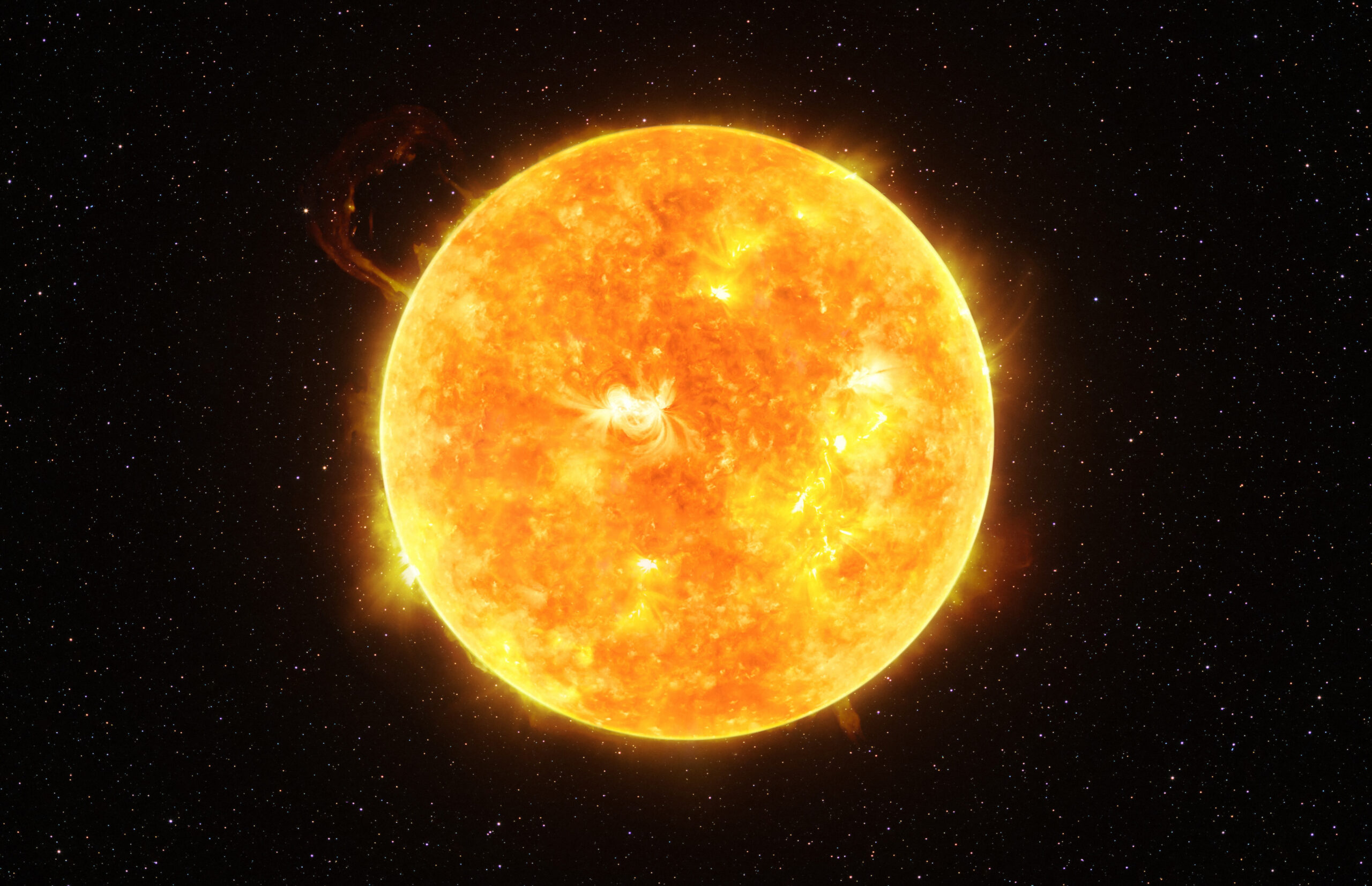
Thanks to the hard work of many geniuses over the past decades the sun’s energy can be harnessed for humanity’s need.
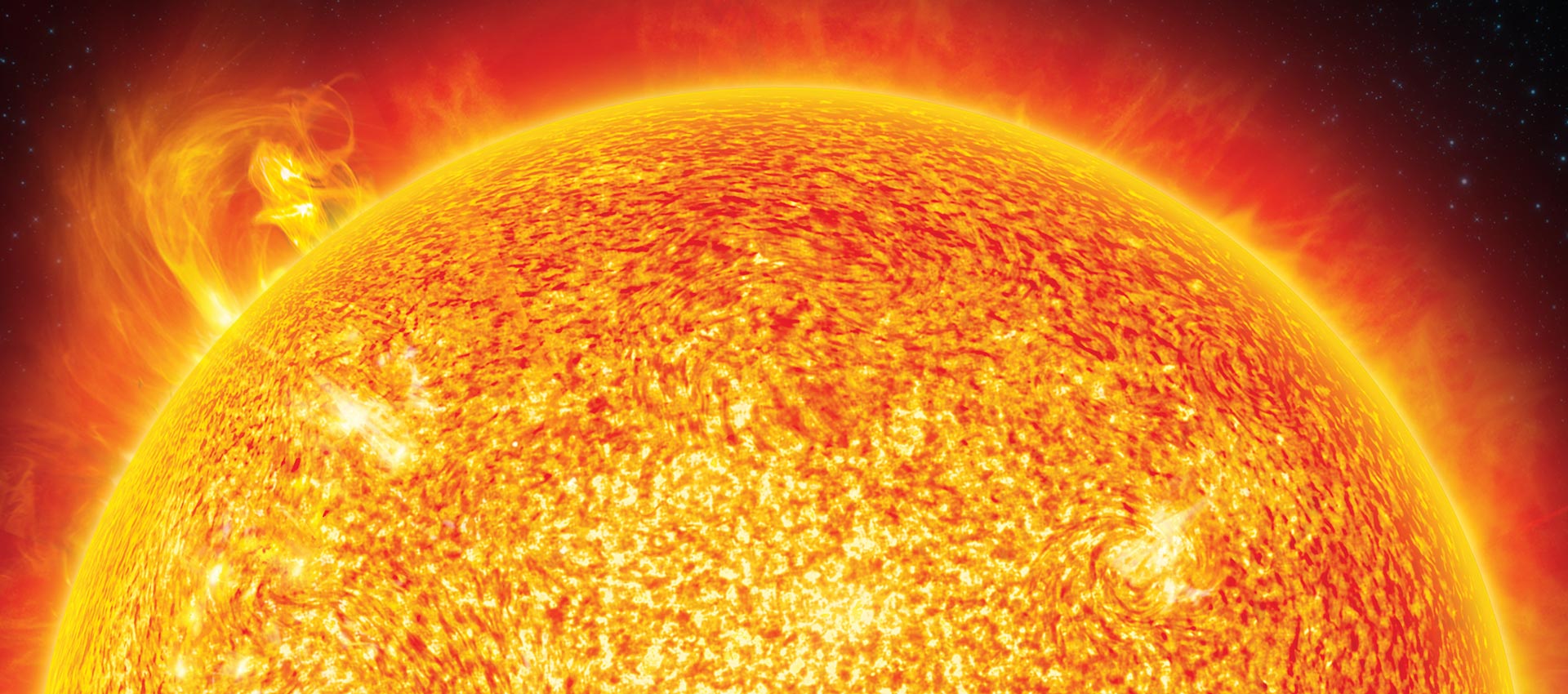
Physicists working on the Borexino experiment in Italy have measured the carbon and nitrogen abundances in the Sun's core for the first time using solar…
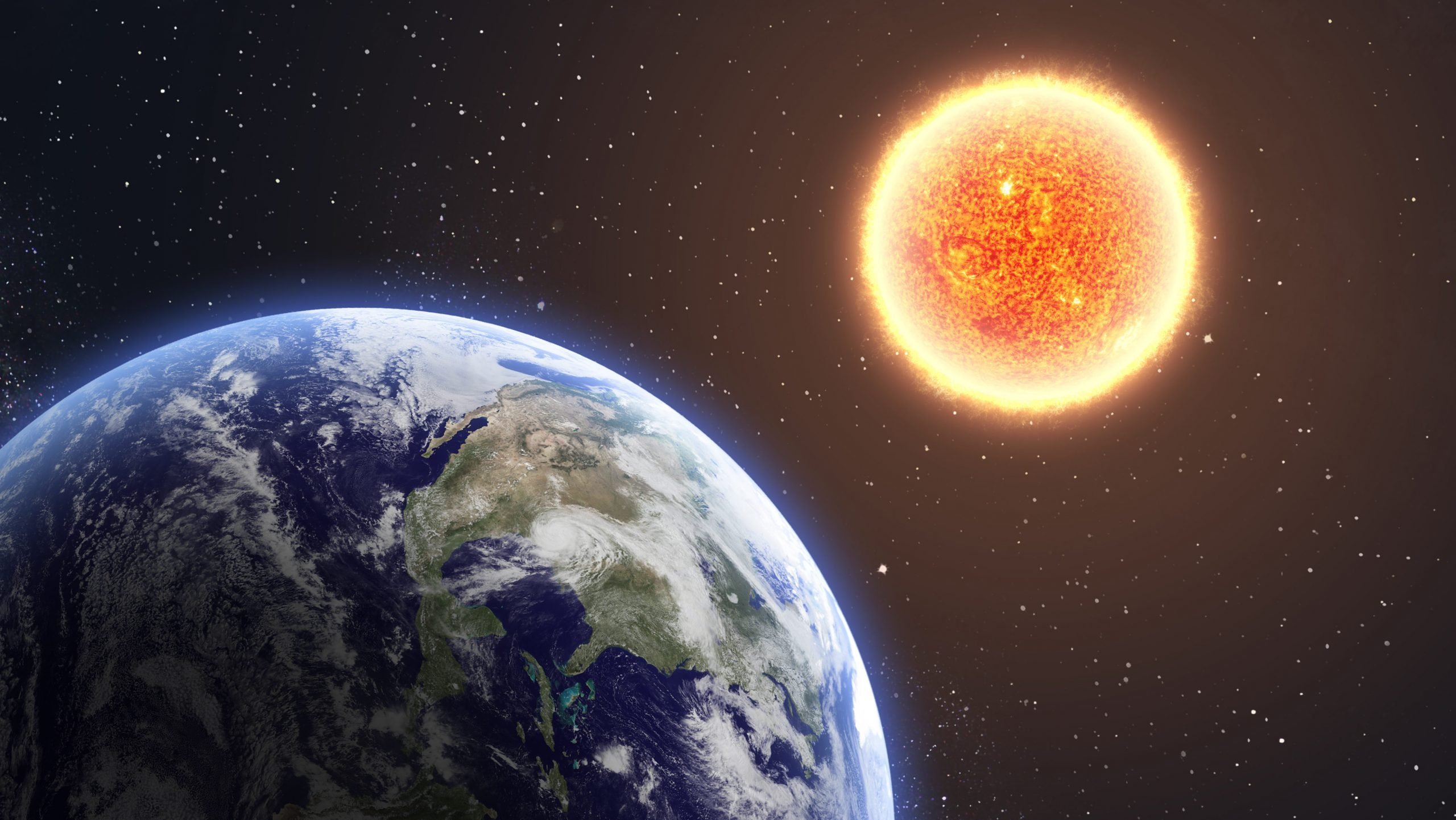
Light from the Sun moves through space's vacuum at a constant speed and, furthermore, remains unchanged until it reaches the Earth.
The Sun's core hydrogen fusion events release a large amount of solar neutrinos. They are therefore concrete proof that nuclear processes power the Sun.

Our star, the sun, is an essential source of energy for the planet, generating light, regulating the weather, and nourishing living things.
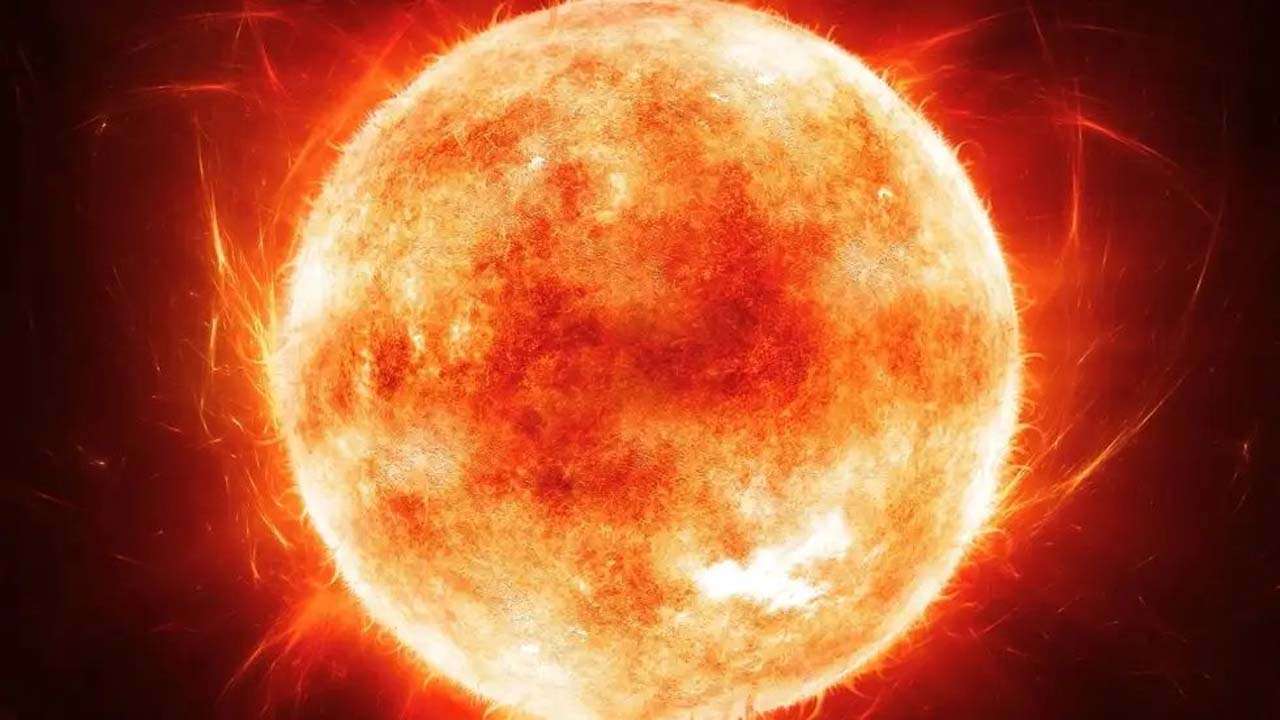
China is preparing to launch the world's first dedicated solar observatory. Astronomers believe the spacecraft's three instruments will shed light on how the…
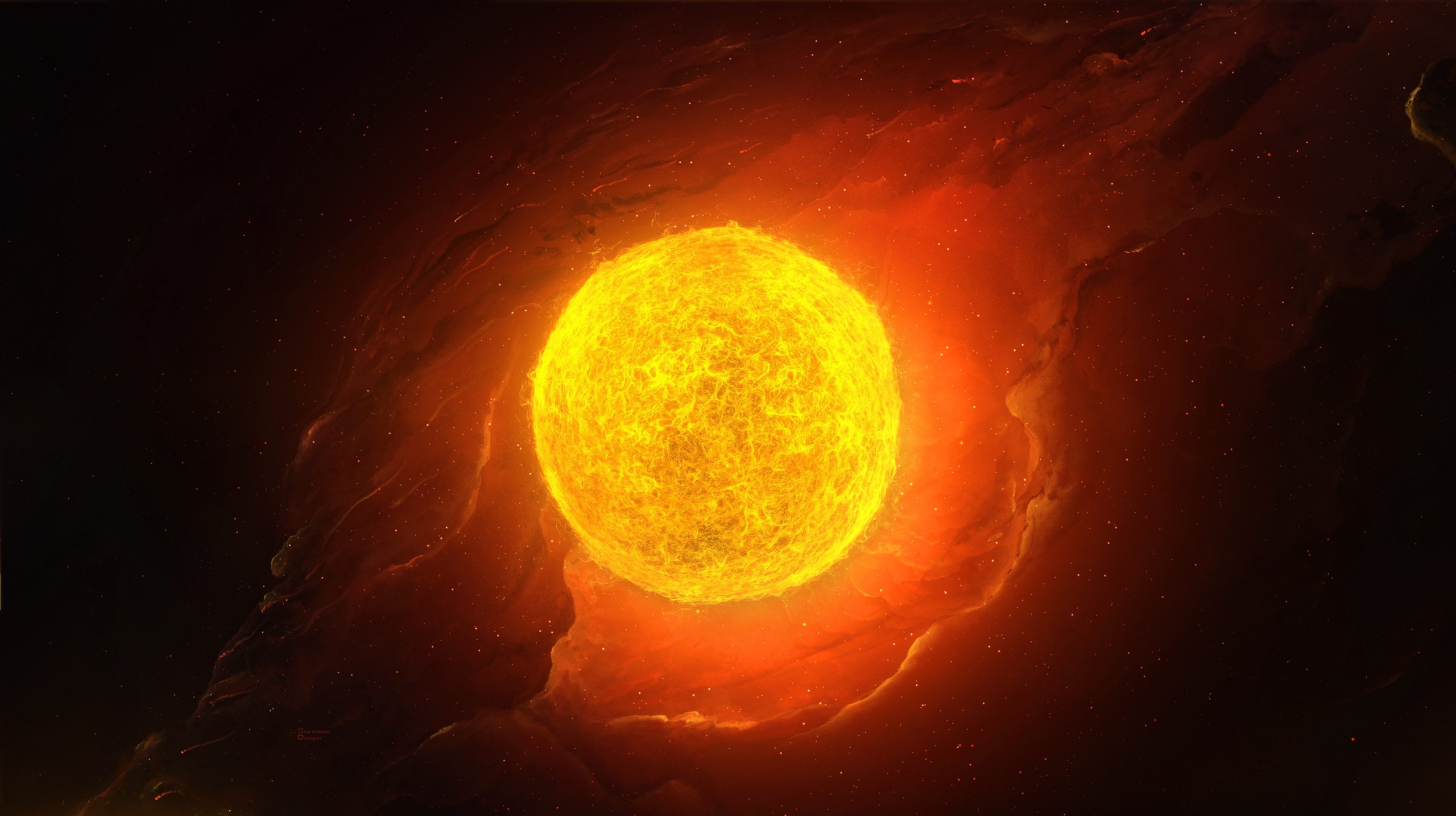
Using neutrinos, astronomers want to learn more about what's going on inside the sun's core with the help of a mission idea they've devised.
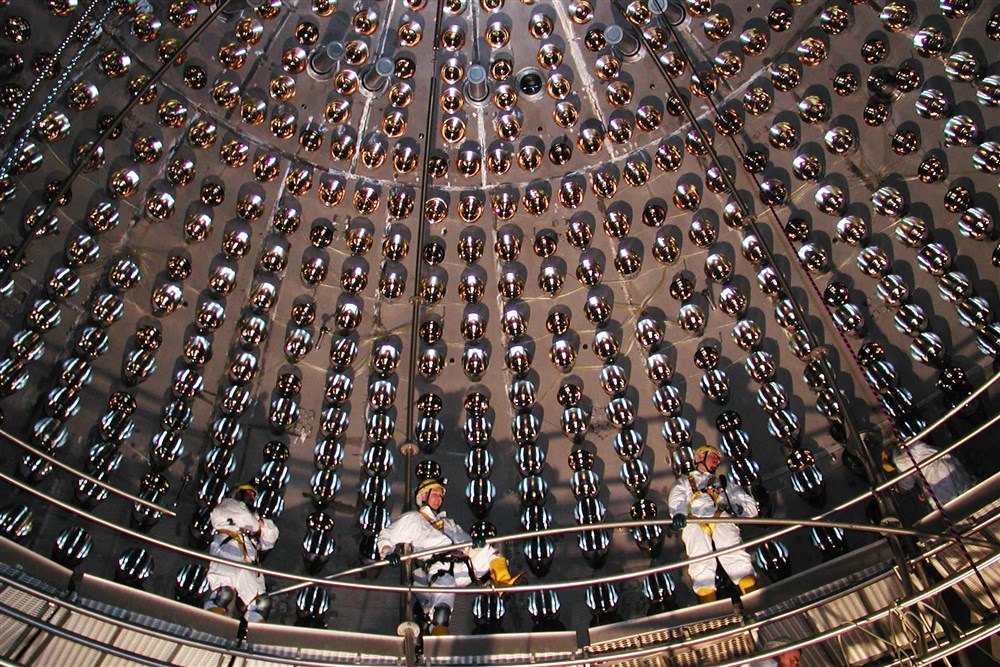
Our star’s second-most critical fusion reaction was observed by the Borexino experiment Physicists have now accounted for neutrinos emitted by the key…