
Astronomers reveal that the first exoplanets discovered thirty years ago may be "extraordinarily" rare
Astronomers identified the first exoplanets near a pulsar, a fast-revolving star, thirty years ago.
Author
396 articles on Neutrino Science.
More about the editorial team on about us, orget in touch.
Page 16 of 17
Astronomers identified the first exoplanets near a pulsar, a fast-revolving star, thirty years ago.
Physicists may have recently stumbled onto the long-sought-after new fundamental particle known as the sterile neutrino. This particle has proven difficult to find.
Astrophysicists will look for signs of life in the atmospheres of faraway planets, and NASA's James Webb Space Telescope has shown that this is possible.
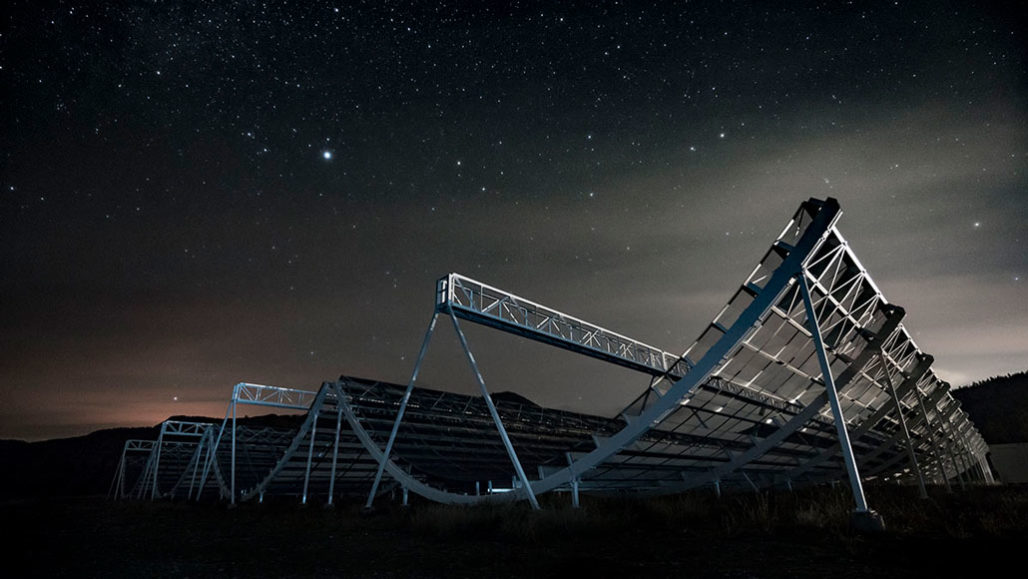
The vast majority of the hundreds of previously detected rapid radio bursts endure only milliseconds.
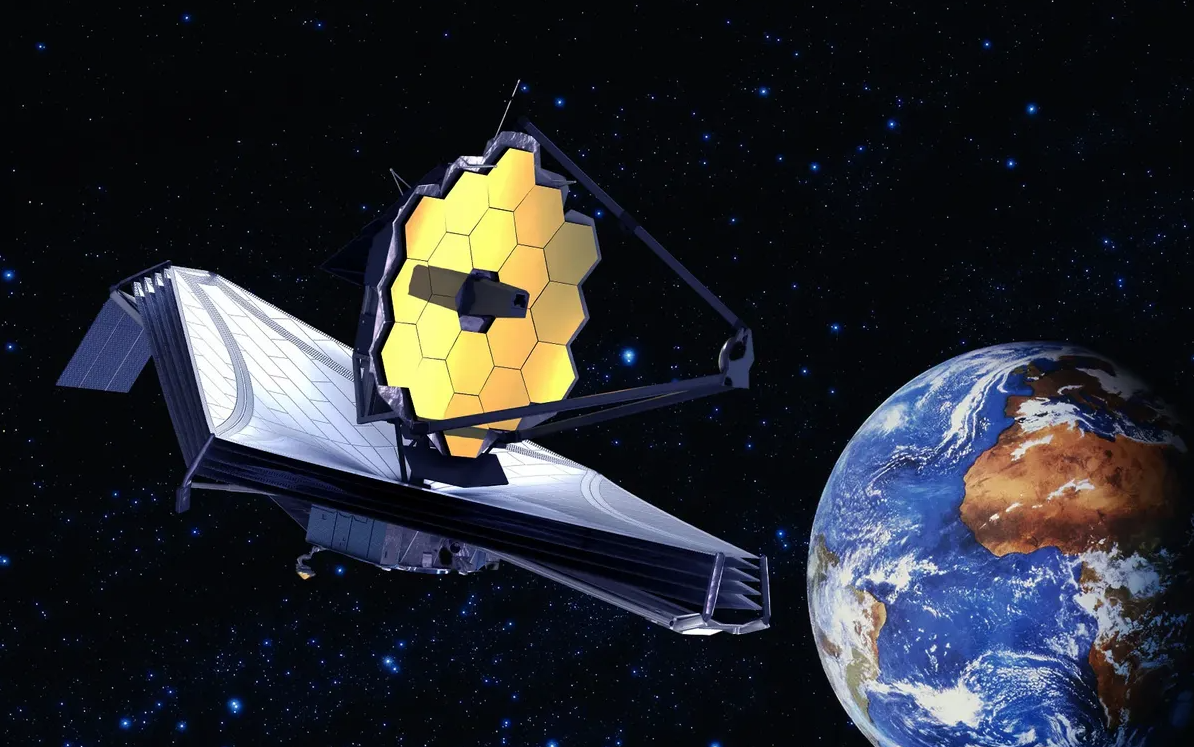
After the James Webb Space Telescope was successfully deployed into space, NASA shocked the world by revealing photographs captured by the telescope shortly…
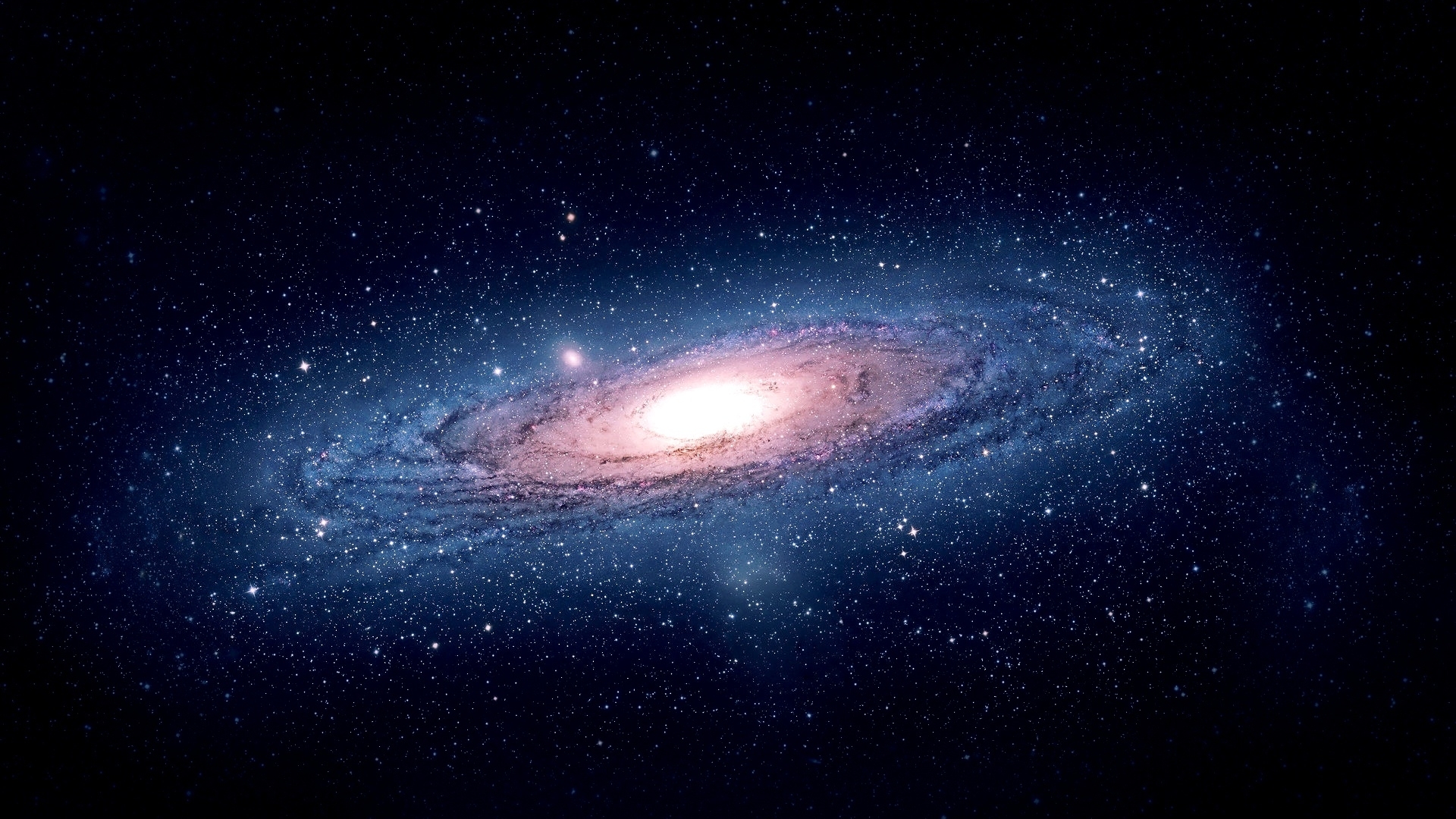
In the distant past of the cosmos, there is a galaxy that is observed to be whirling around faster than any other galaxy that has ever been observed doing so.
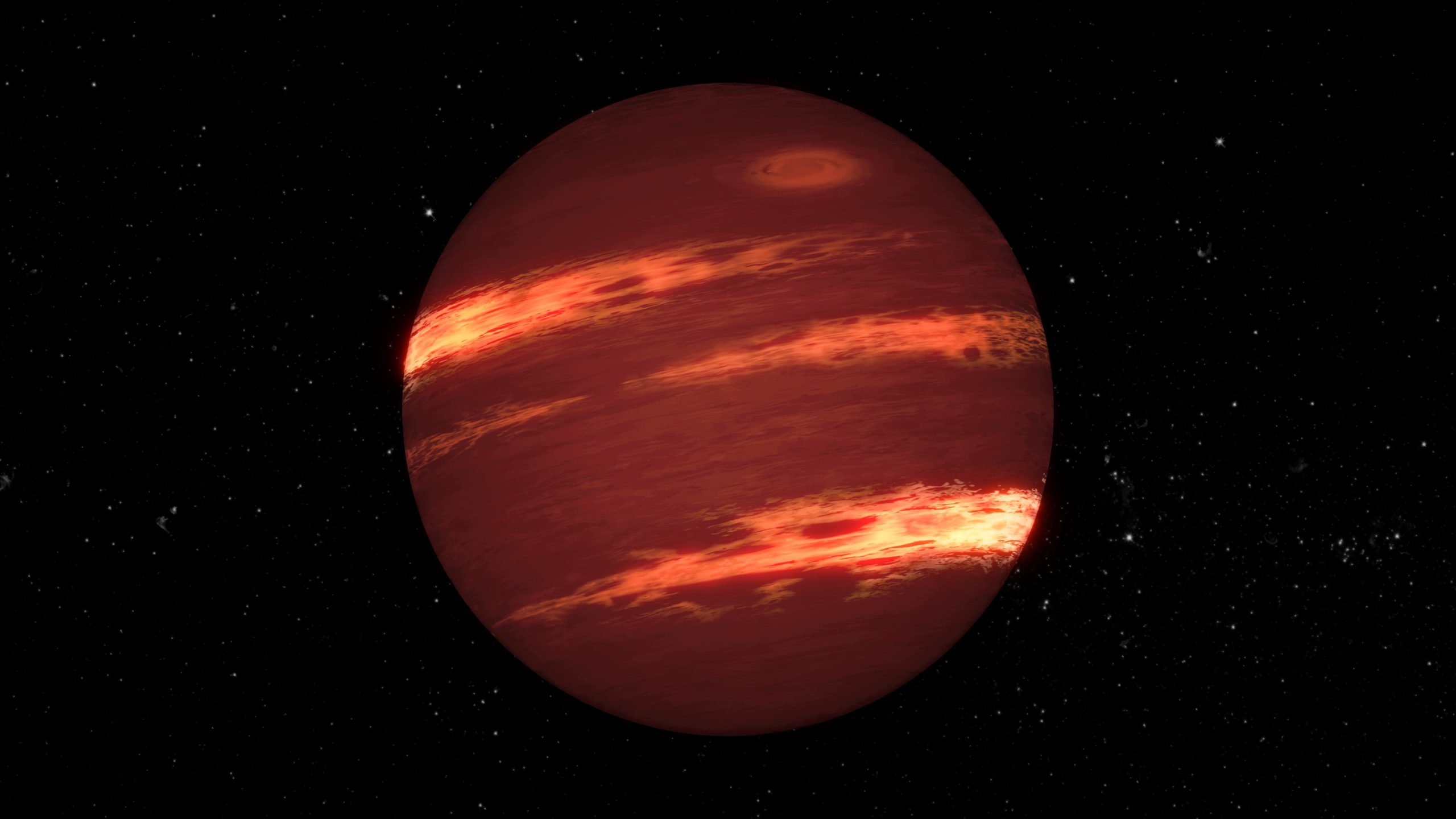
Sand clouds may collect, develop, and dissipate in some alien atmospheres. Clouds composed of heated silicate minerals are prevalent in brown dwarfs.

Buildings constructed from permeable rock might deteriorate over time. Now, scientists have investigated in depth how silicate nanoparticles might aid in…

A supercomputer is a very powerful computer. Thus, it is capable of doing a vast number of computations per second.
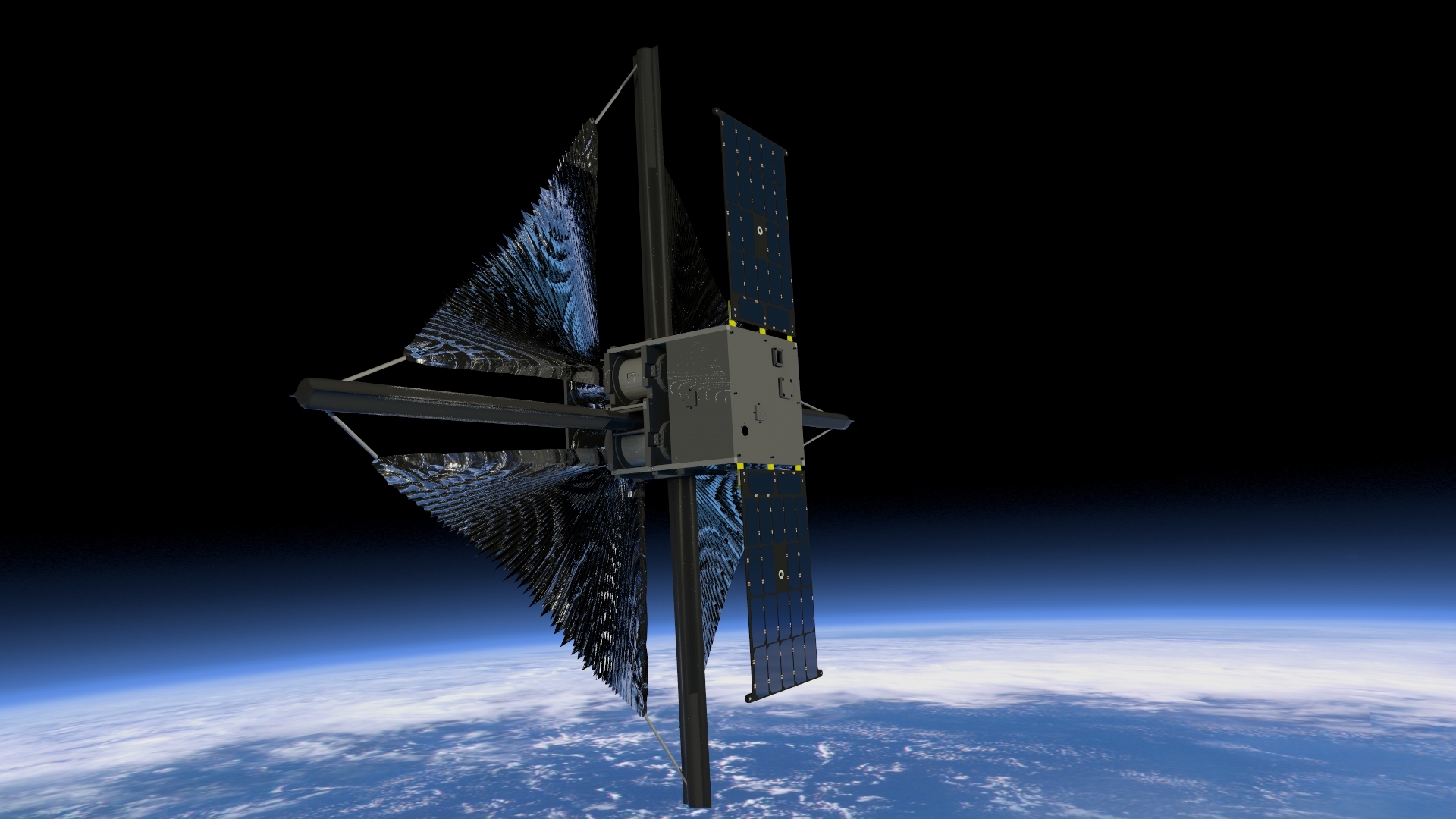
After collecting a sample of dust and rock from Bennu's surface, the spacecraft would have sunk into the asteroid if it hadn't instantly fired its engines to…

Ahead of the greatest premiere in the history of astronomy, NASA has revealed the cosmic A-list that will be seen through the lens of its enormous new space…

Although scientists have studied Earth for a very long time, many issues remain unresolved.
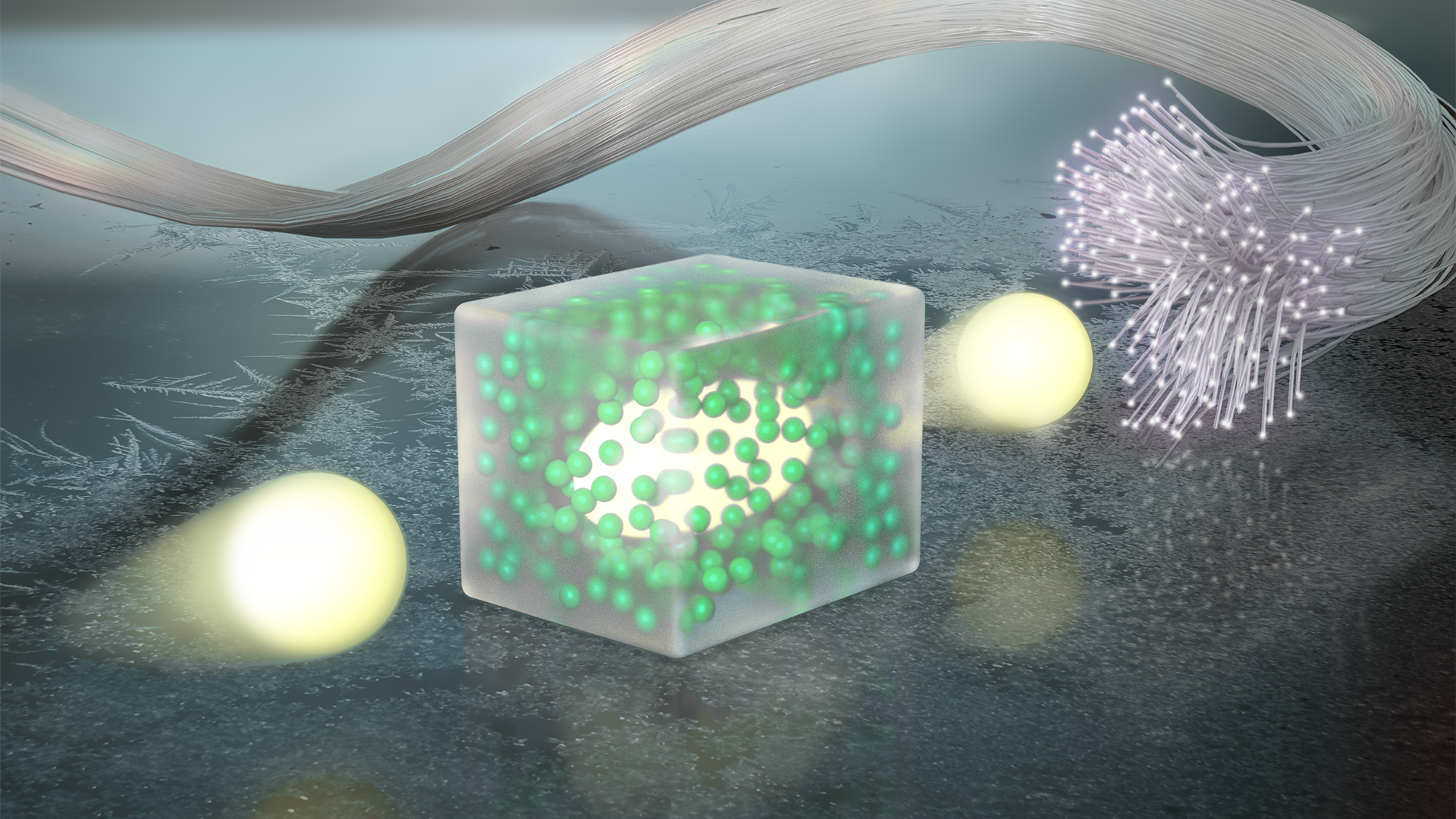
Two quantum memories have been coupled across a 33-kilometer-long fiber optic link — a record and a significant step toward the quantum internet.

In a significant step forward, a plasma-based AI learns to play tic-tac-toe using variable and programmable mixes of gases.
Scientists have launched their search for dark matter, which has thus far remained undiscovered.

Researchers expect that a new electrochemical device that creates high-purity oxygen on-site may help alleviate the oxygen supply crisis.

The use of noradrenaline-targeting drugs to treat apathy, a prevalent symptom of Alzheimer's disease, has showed potential.

Researchers say that light particles, or photons, could be transferred over large interstellar distances without losing their quantum nature.
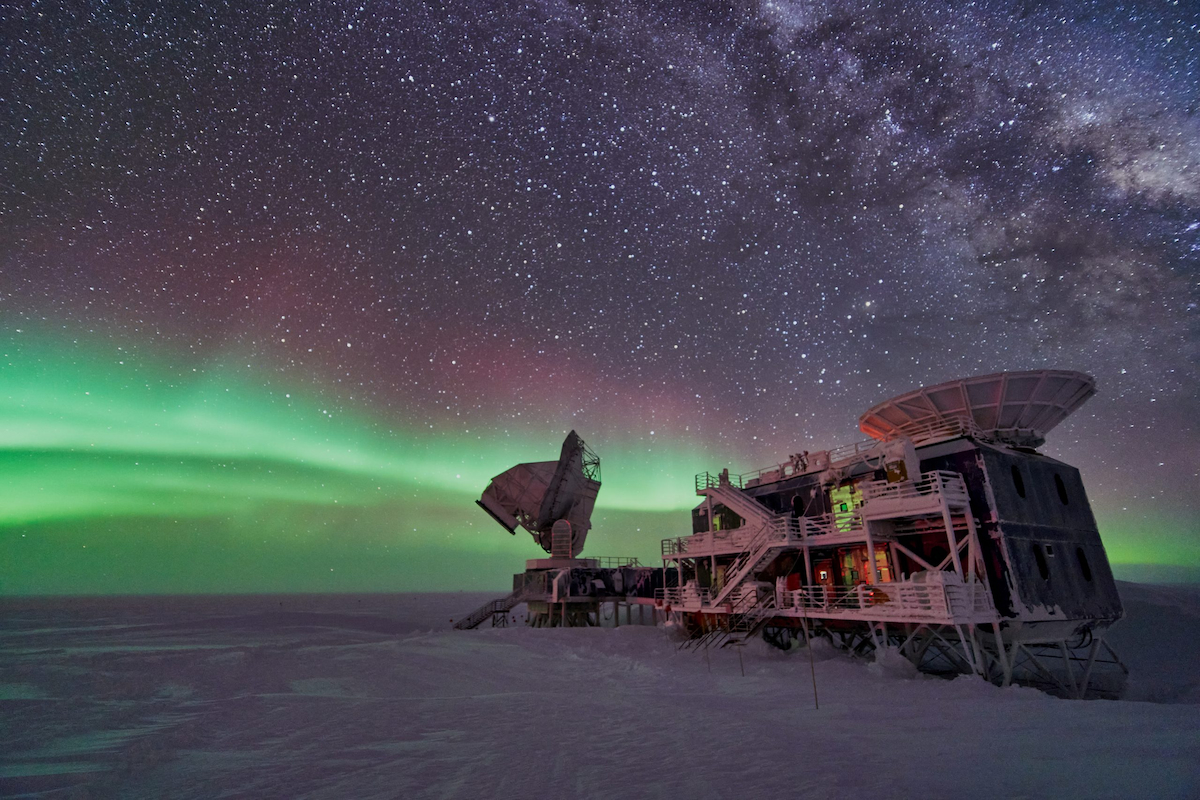
That view, seen from the South Pole Telescope at the research station, is not what most of us imagine when we look up at the sky.
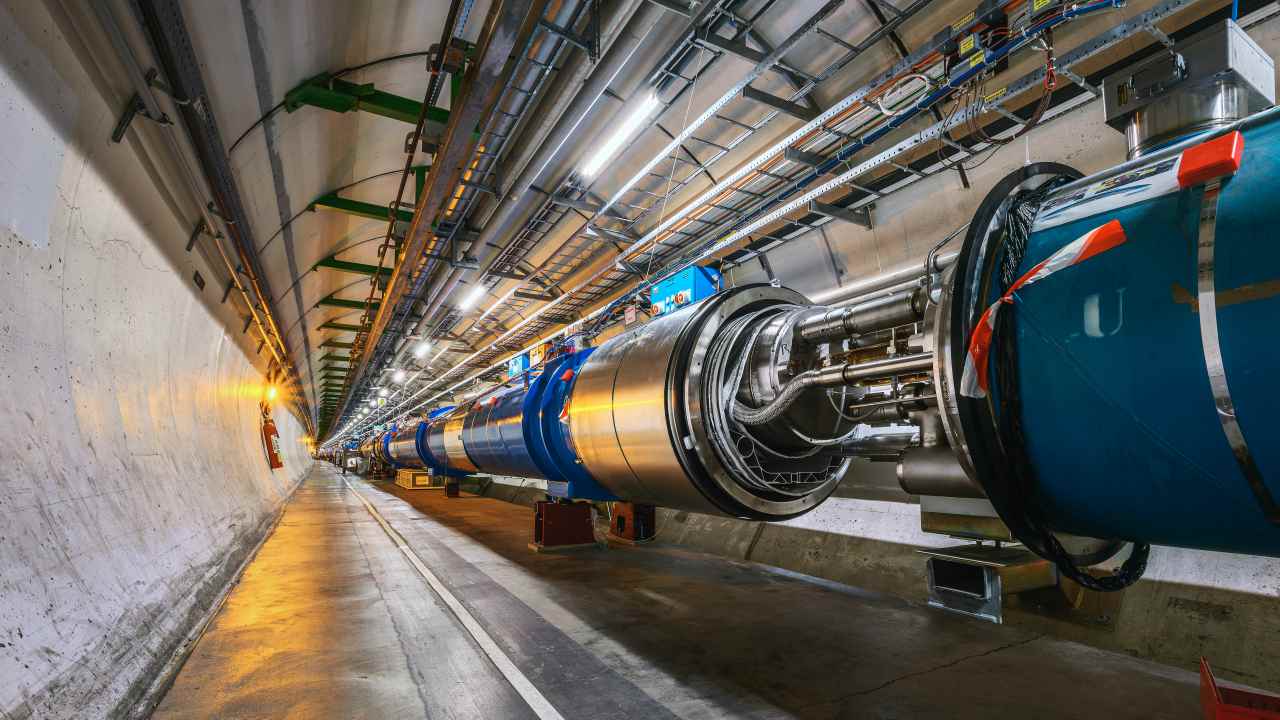
Using the Large Hadron Collider for a third time, the bright brains at CERN have high expectations of uncovering even more cosmic riddles.
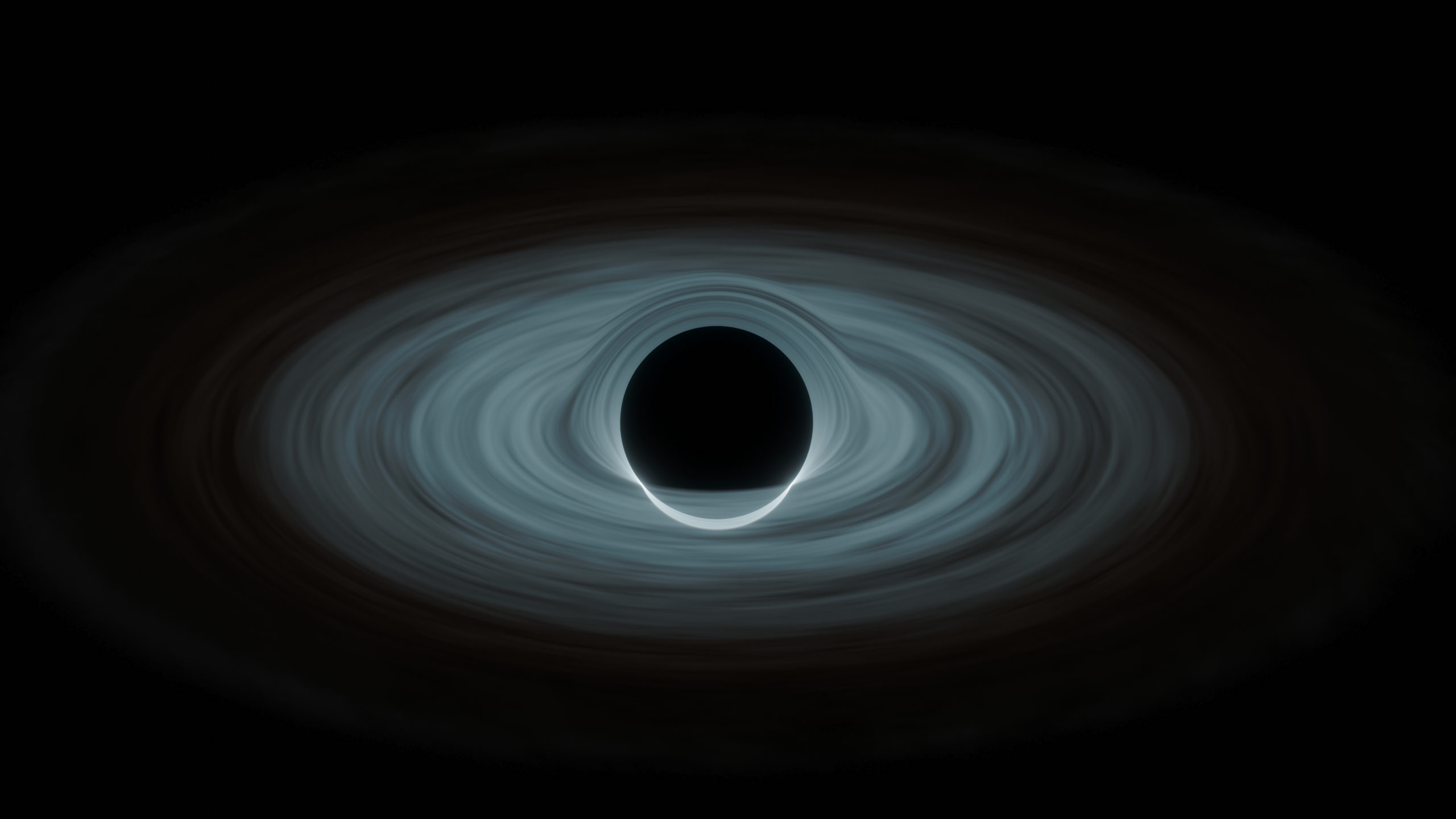
Astronomers think it's the first Milky Way solitary black hole with a sun-like mass. It might be one of the heaviest neutron stars.

In its orbit, the Earth is at its furthest distant point from the Sun, known as aphelion. Here is all you need to know about this occurrence.

A study of bone loss in 17 International Space Station astronauts reveals the effects of space travel on the body and possible remedies.

The immune system must differentiate between self and non-self to defend the body's own tissues against harmful substances.