Ghost Particles, Real Power: What Neutrinos Taught Physics and What They Could Teach Energy
From Pauli’s “desperate remedy” to a Nobel Prize for ice, and the technology now being built on what the ghost particle taught us.
Topic
39 articles on this topic.
Page 1 of 2
From Pauli’s “desperate remedy” to a Nobel Prize for ice, and the technology now being built on what the ghost particle taught us.

Why distance still decides who gets electricity — and how ambient flux could change the question energy policy has asked for a century.
Where does waste end and useful energy begin? New quantum thermodynamics research from the University of Basel challenges the idea that this boundary is…
AI can help physicists detect patterns hidden inside immense streams of neutrino data. Yet the same computational systems doing that work are driving an…

Some of the most ambitious scientific projects begin long before the first meaningful result appears.
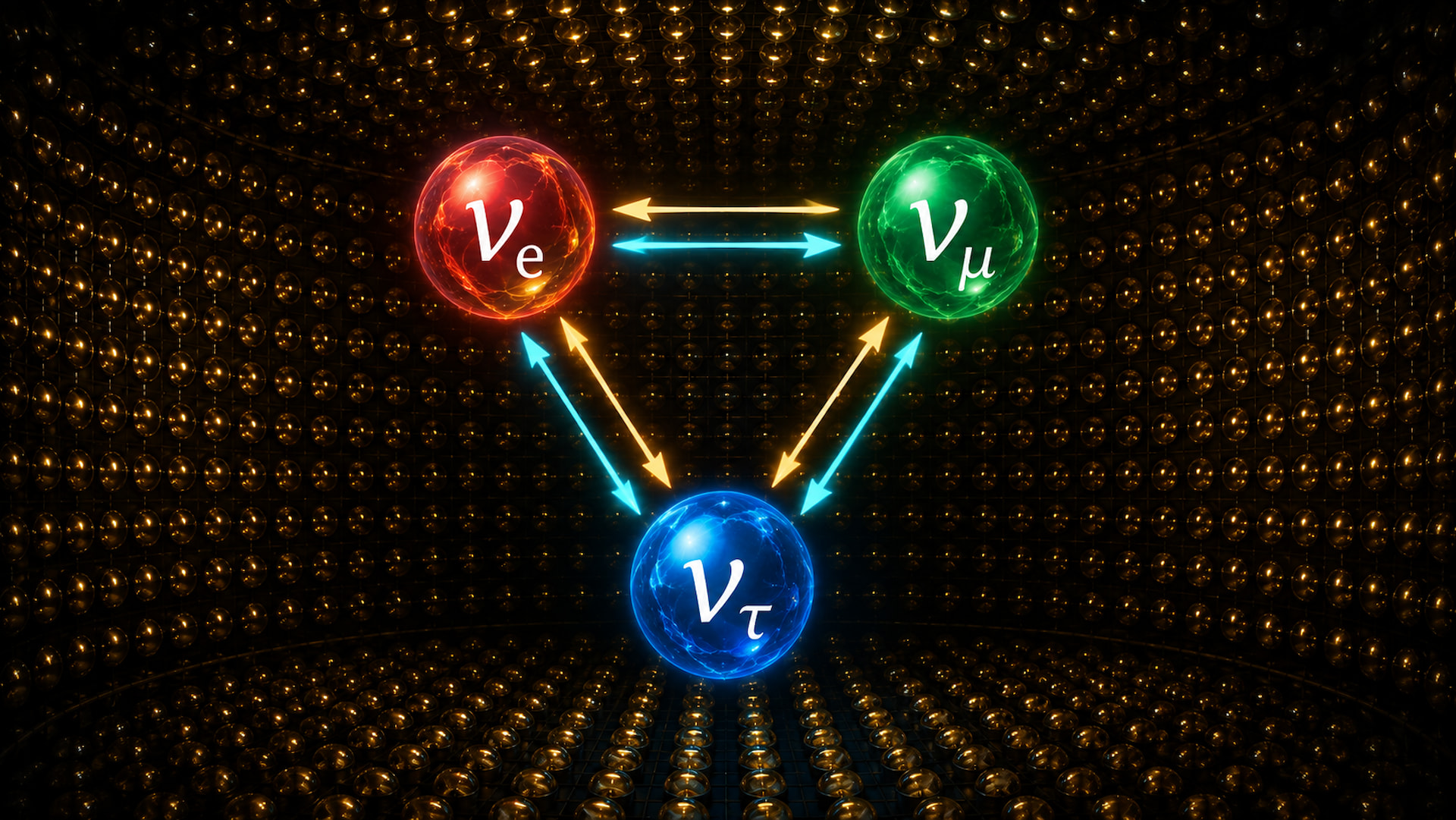
One of physics' longest-running mysteries began with a simple mismatch between prediction and observation.
Deep beneath a Japanese mountain, a detector has spent thousands of days listening for one of the universe's faintest signals.
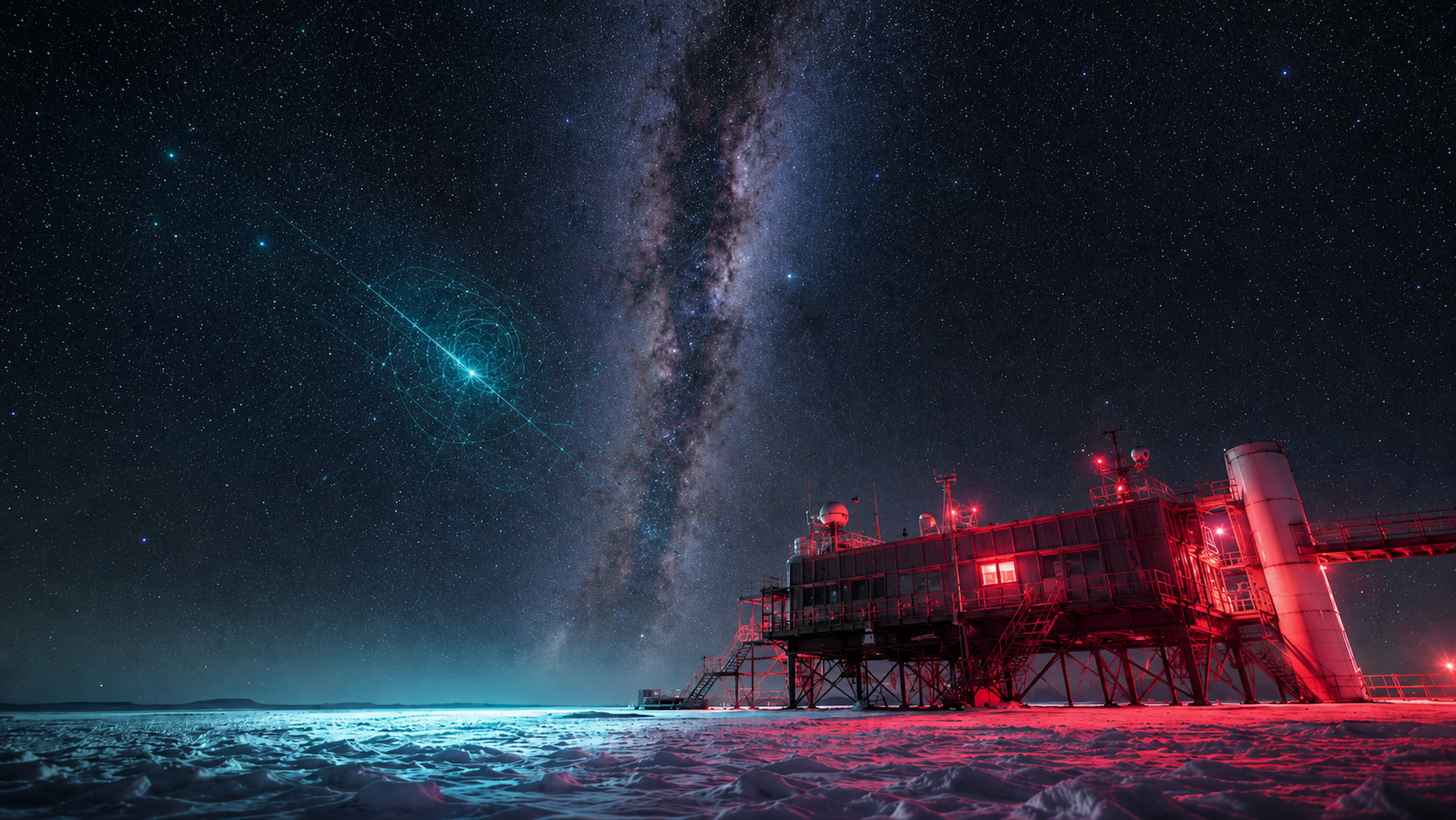
They were looking for a black hole. When a high-energy neutrino arrived at the IceCube Neutrino Observatory in Antarctica, catalogued as IC 210922A…
The neutrino passes through everything. The question, it turns out, was never whether it interacts with matter. It does.
The United Nations has put numbers to what many in the energy and technology industries had been calculating quietly.
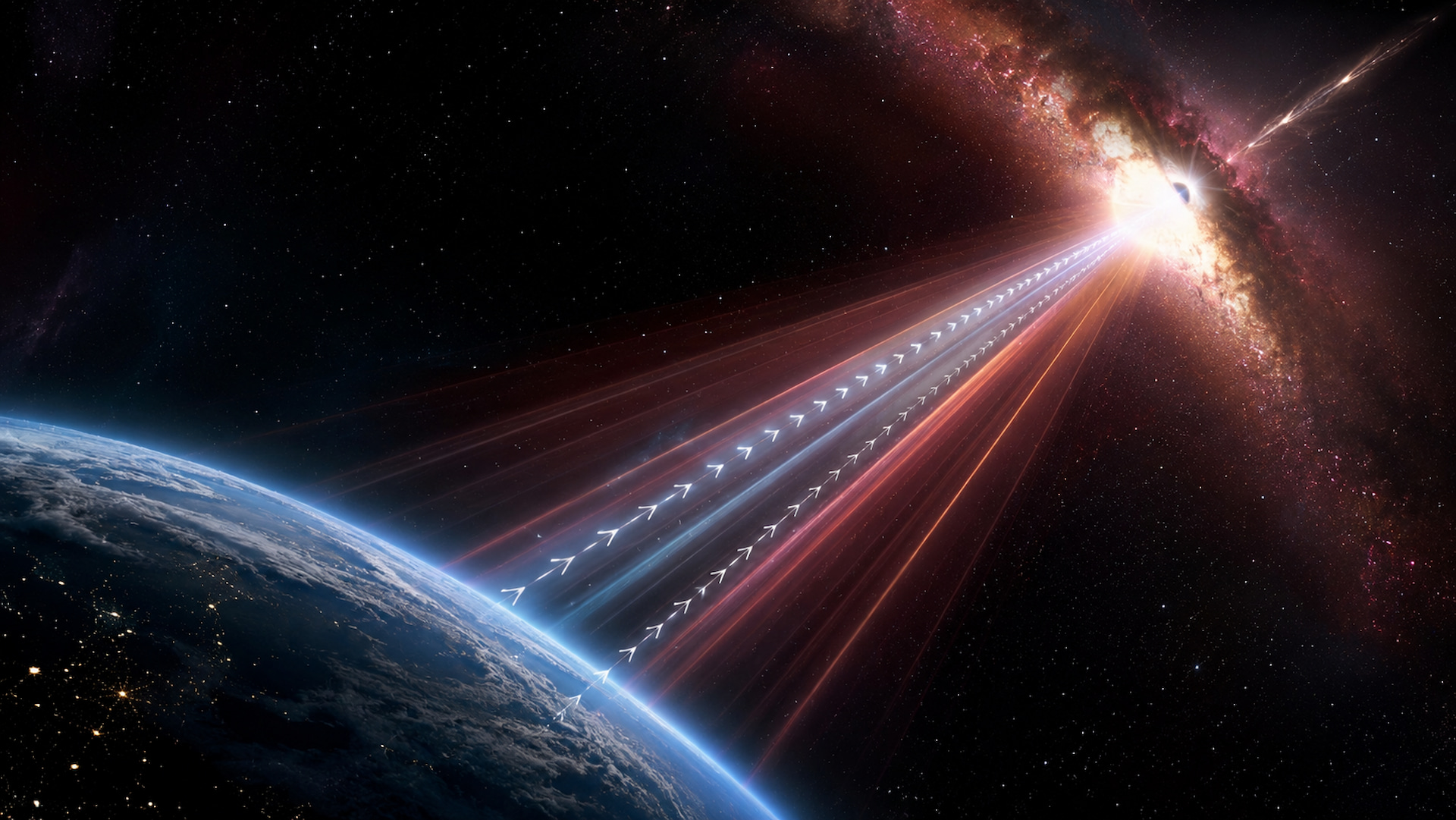
For decades, physicists asked what neutrinos are. One team asked what they could do. This is where those two stories meet.
Every major science and physics institution on Earth is studying neutrinos. One group is building something with them. That gap is the story.
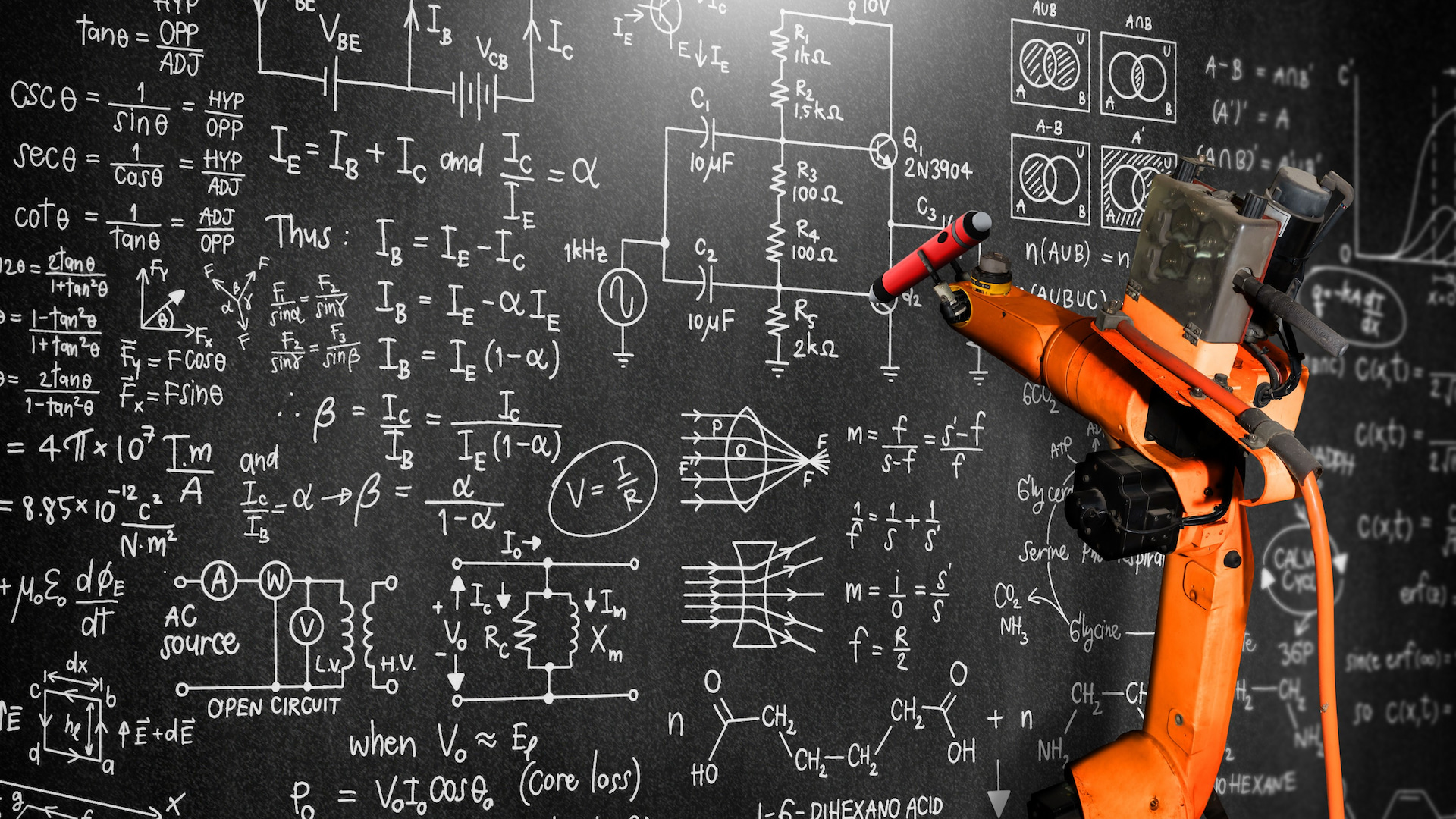
Reading the Schubart Master Formula in plain language, term by term
The standard critique of neutrinovoltaic technology rests on a misreading of what it actually claims. Fix the misreading, and the critique collapses.

The science behind neutrinovoltaic energy was not built by one group alone. It took shape through the work of physicists in Tennessee and southern China…

Graphene spent years as the most celebrated material in science with nowhere important to go.

In most laboratories, artificial intelligence and energy research occupy separate floors, separate budgets, and separate conversations. AI is the tool.

Governments do not invest billions in pure curiosity. When the European Organization for Nuclear Research maintains the world's most complex particle…
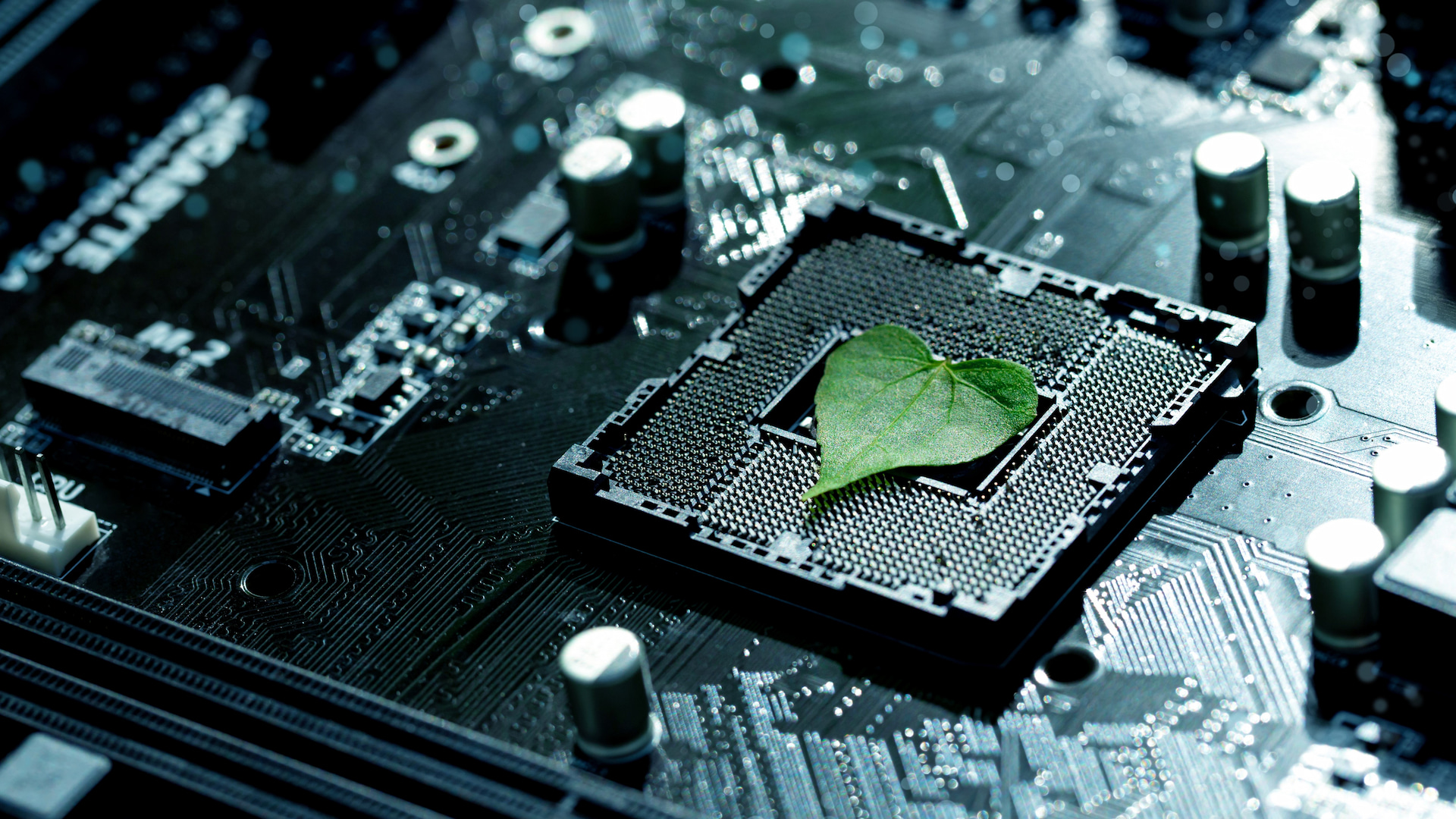
Large technological shifts rarely begin with a single invention. They emerge when pressures inside an existing system accumulate until new solutions become…
Every second, trillions of neutrinos pass through your body. They come from the Sun, from distant stars, from cosmic rays striking the atmosphere.

At the South Pole, discovery begins with drilling. Each austral summer, aircraft equipped with skis land on a frozen plateau where temperatures fall below…

Energy technologies have historically preceded their mathematical formalization. Steam power was engineered before thermodynamic limits were universally…

Modern life depends on a quiet contract. Electricity must be present before it is noticed, stable before it is questioned, affordable before it becomes…
In the late twentieth century, physics made a deliberate choice. To understand the weakest interactions in nature, researchers decided to eliminate almost…