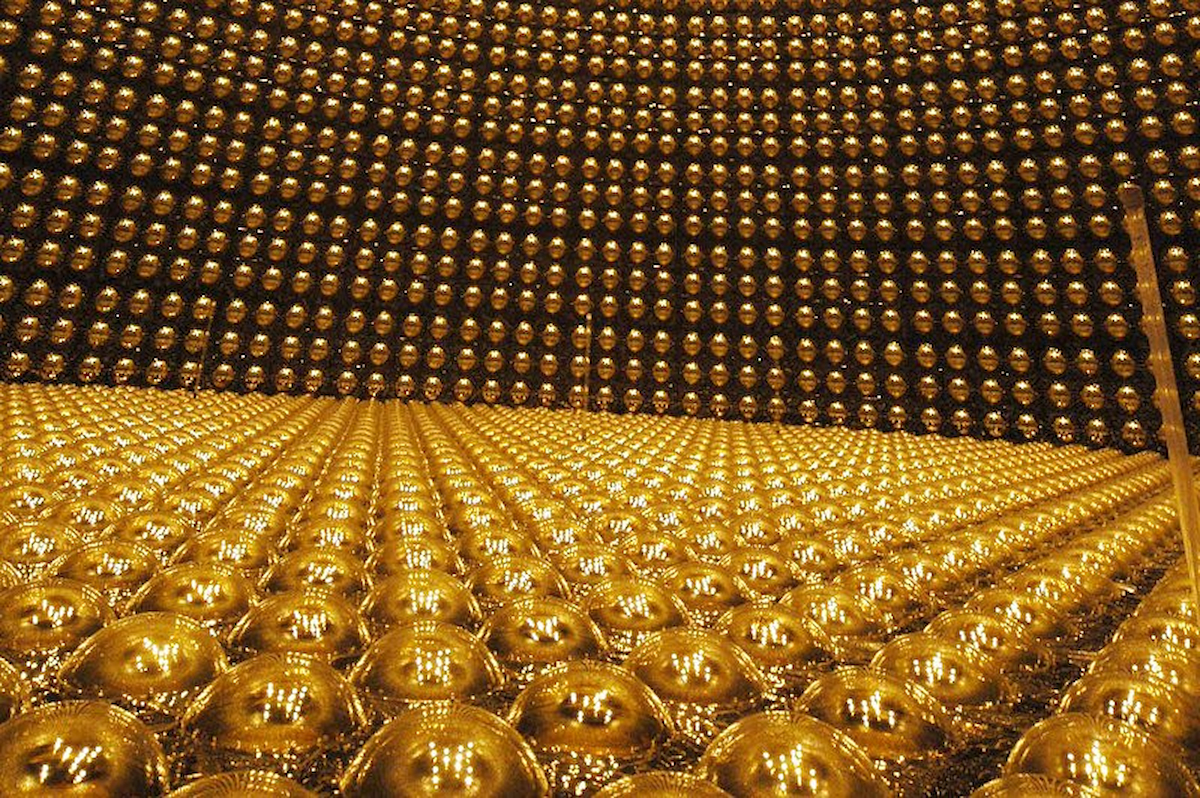
Neutrinos: The Building Block for Some Incredible New Technologies
A nearly massless, invisible particle may serve as the foundation for some truly amazing new technologies. It is known as a neutrino.
Topic
156 articles on this topic.
Page 2 of 7
A nearly massless, invisible particle may serve as the foundation for some truly amazing new technologies. It is known as a neutrino.

It is common knowledge that only a small percentage of scientists have the ability to create novel scientific concepts and produce significant discoveries.

NGC 1068, often known as Messier 77, is an active galaxy in the constellation Cetus that has been one of the most well-known and extensively researched…
NASA's Mars rovers explore the Martian surface in search of ground-breaking scientific findings.

Teams at HZB showed perovskite silicon tandem solar cells with an efficiency of about 30% by the end of 2021.

The imperfection of the current description of proton structure has been validated by nuclear physicists.
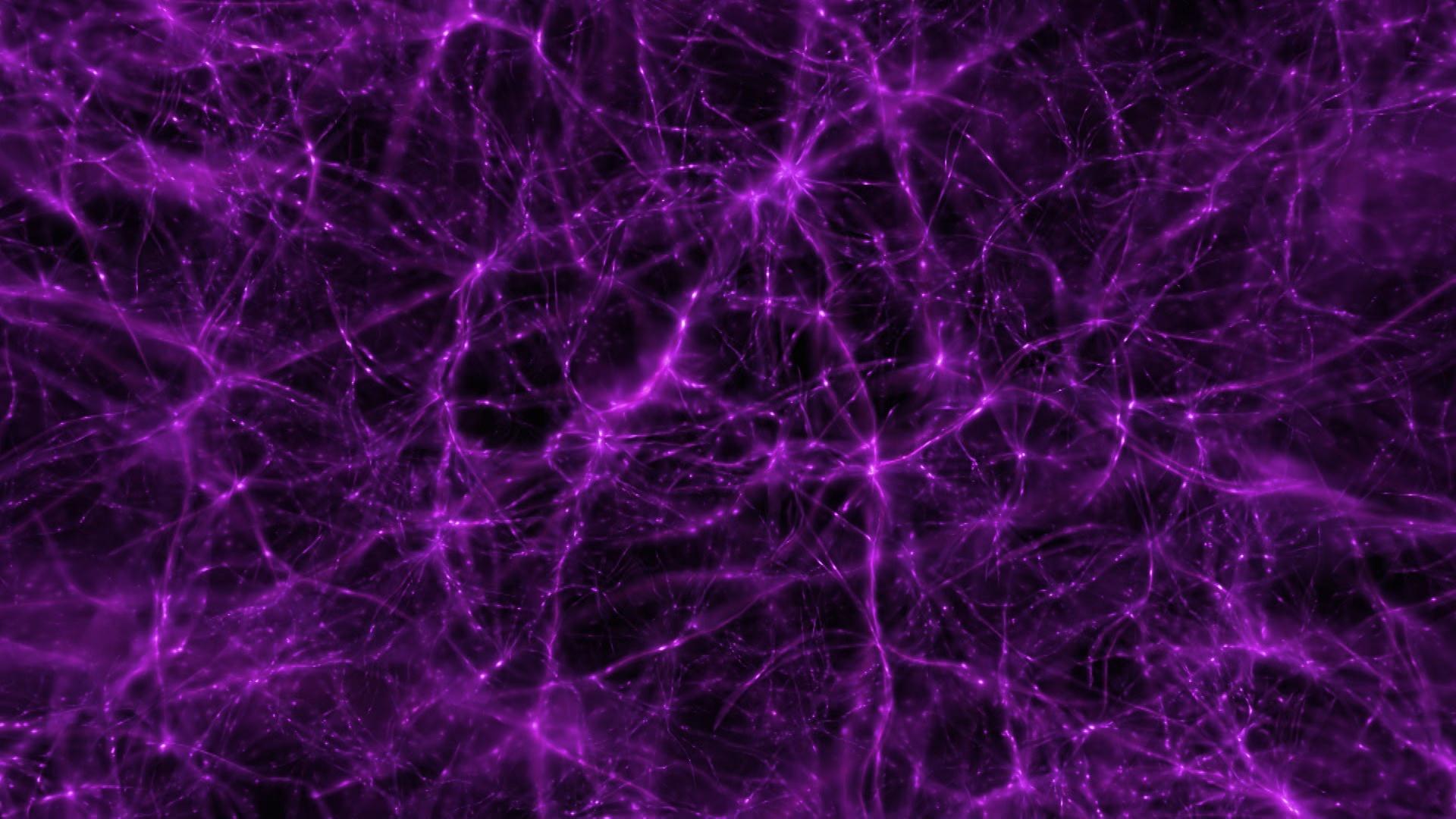
Scientists made a startling cosmic discovery in 1998. They came to the realization that the universe is not only expanding but also seems to be speeding up…

Despite the amazing technology advancements that permeate our lives today, there hasn't been much of a change in how humans deal with the metals for thousands…
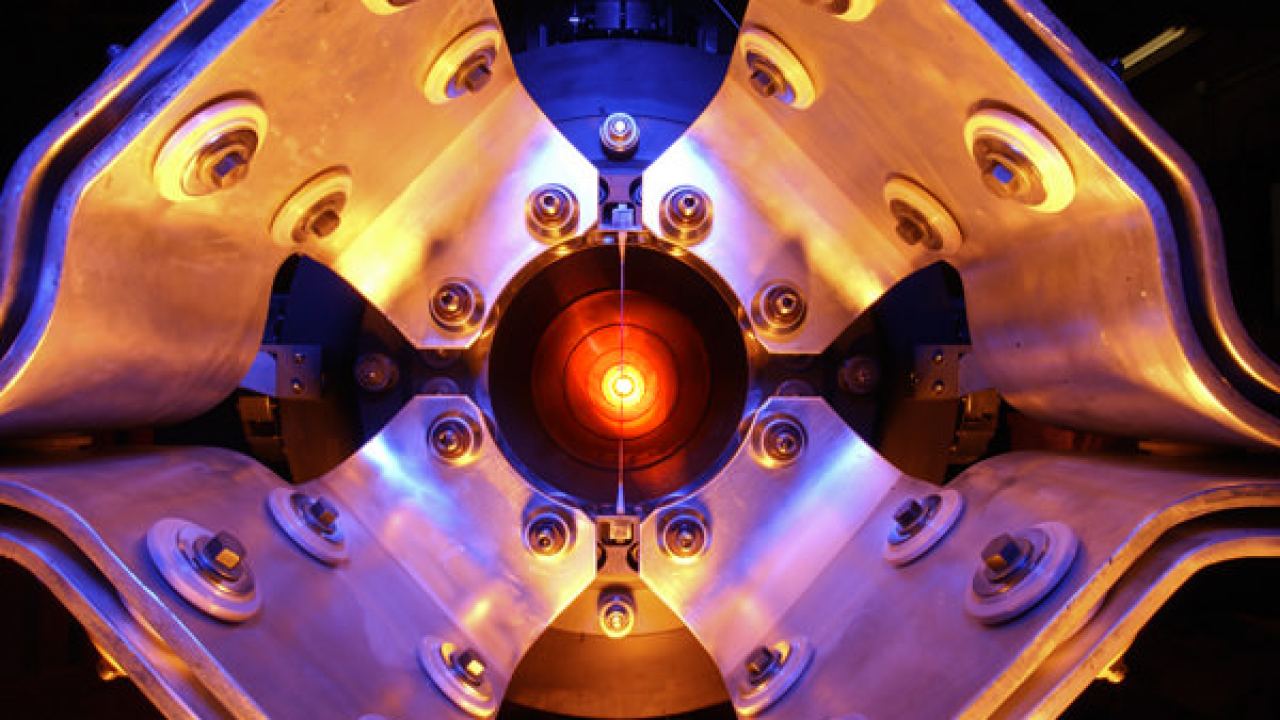
Researchers have determined that there is a new upper limit of 0.8 electronvolts for the mass of a neutrino by conducting an experiment.
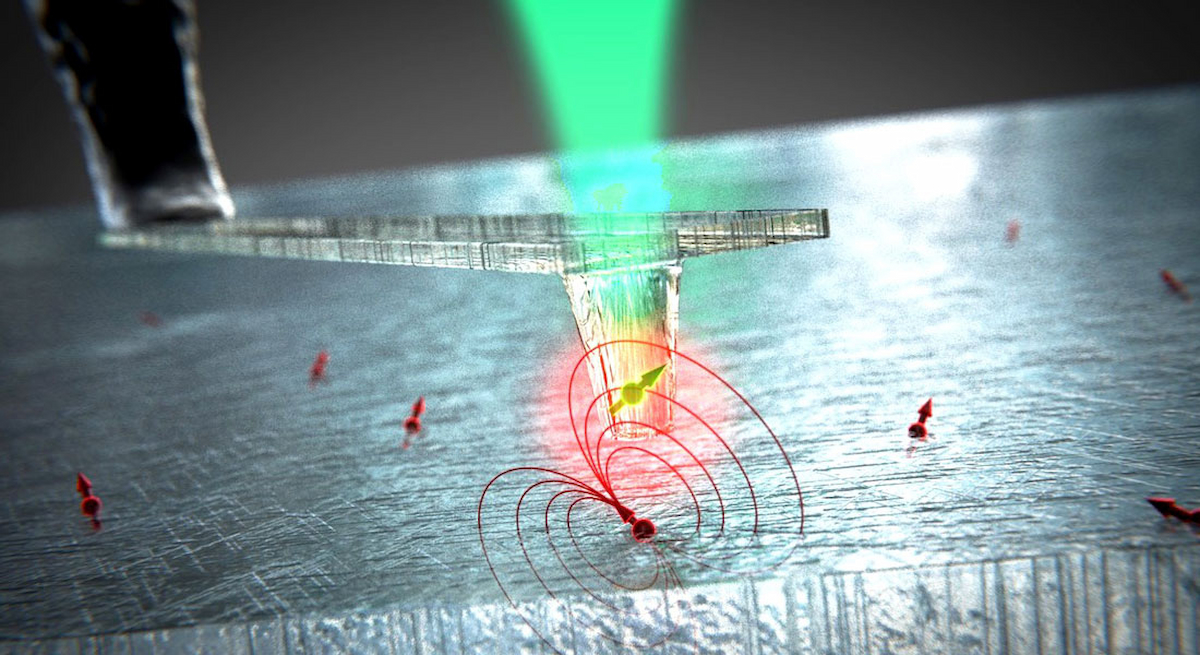
To better understand magnetism, it is helpful to understand how the atoms in magnetic materials are structured.

Chemists at Purdue University have solved a mystery that has stumped scientists for decades by finding a mechanism that explains how peptide-forming processes…

A study that received a lot of attention and in which researchers claimed to have seen the first actual room-temperature superconductor has since been discredited.
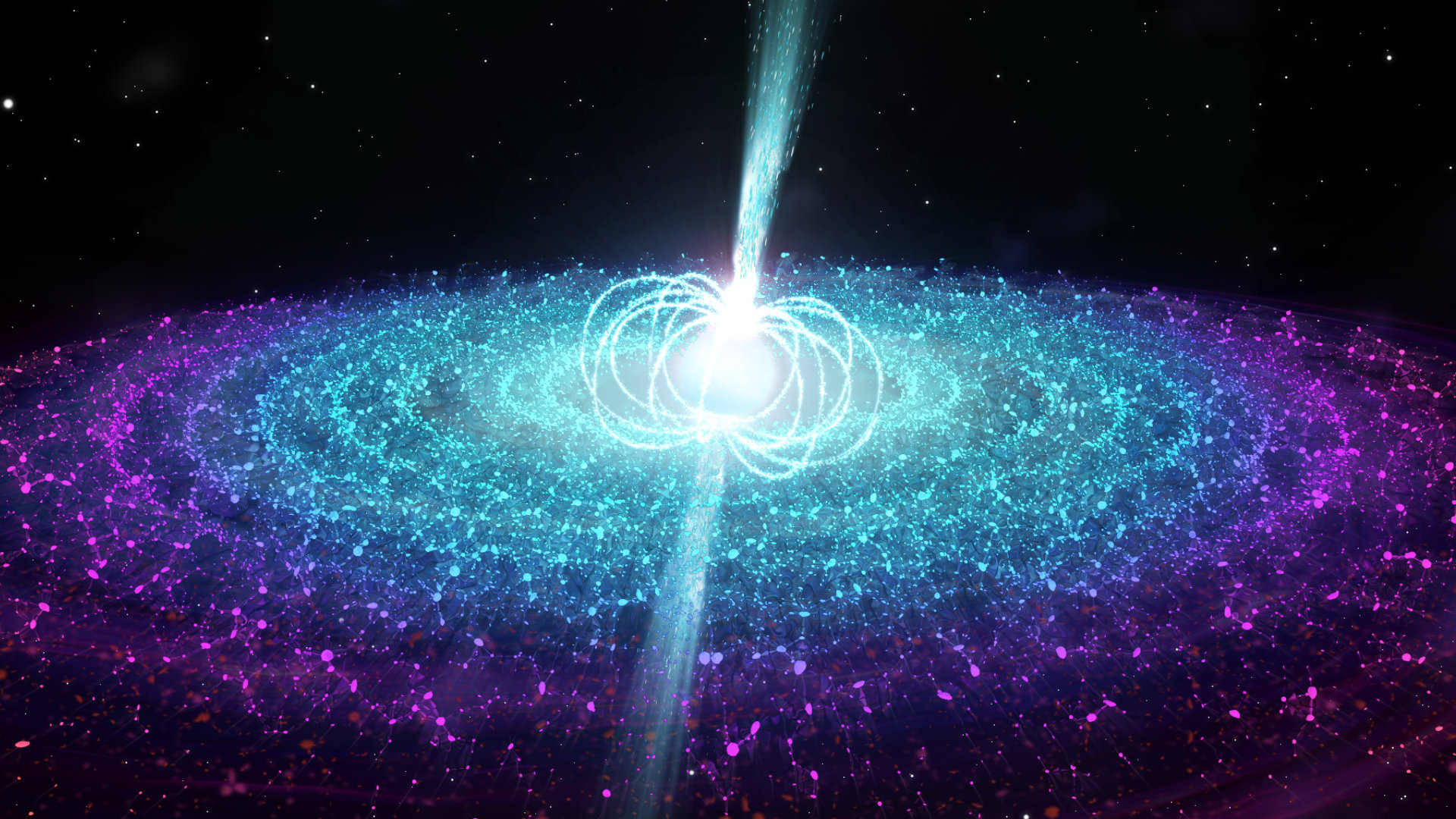
According to recent studies, a neutron star located south of the constellation Leo is the most massive of its kind yet discovered.
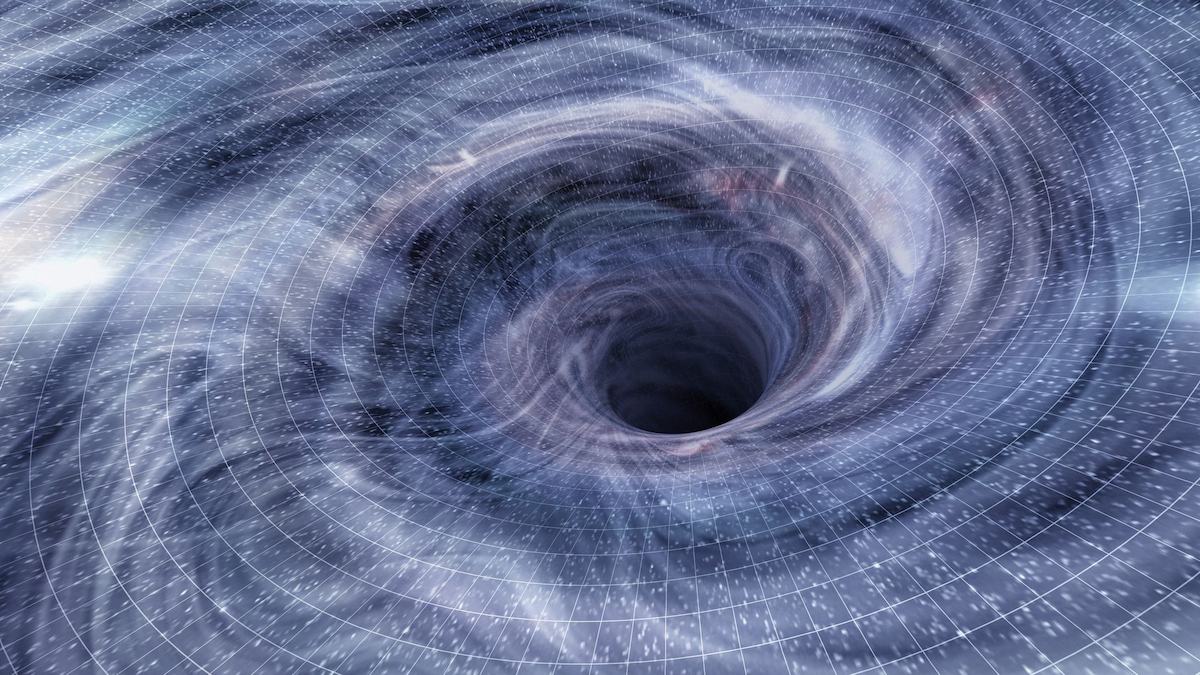
Since the 1930s, researchers have discovered evidence suggesting the Universe’s mass is composed of approximately 85% of a perplexing and yet unexplained kind…
New findings imply protons might have more "charm" than previously recognized.
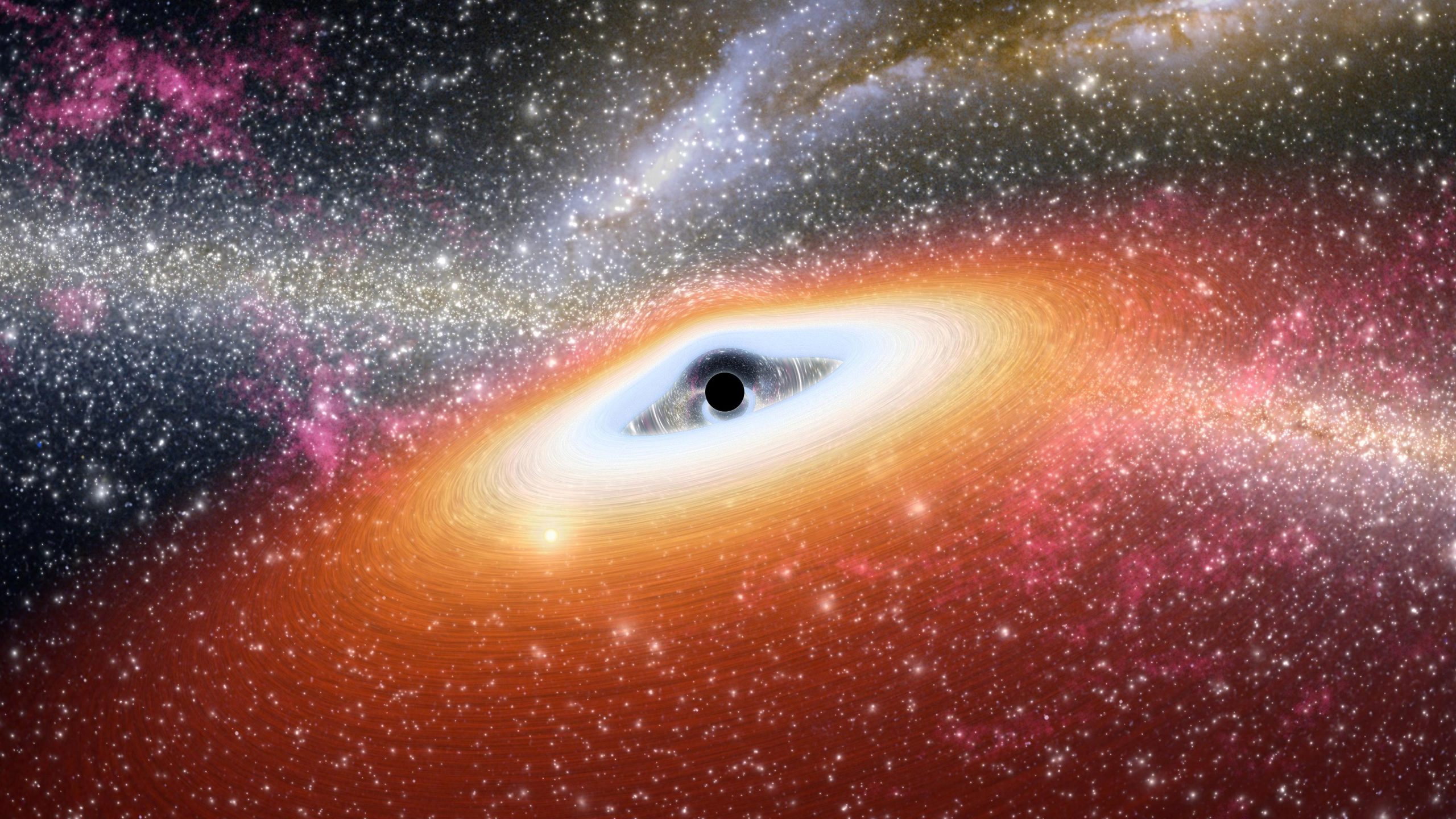
[vc_row][vc_column][vc_empty_space height=”24px”][vc_column_text]Since their initial discovery in 1956, neutrinos have confused scientists due to their lack…

There is a possibility that the solution to one of the most perplexing questions about the cosmos can be found in one of the tiniest and creepiest particles.

Scientists have been able to confirm the existence of an unusual new kind of water by blasting inexpensive plastic with extremely intense lasers.

Ultrafast electron diffraction (UED), a camera that detects atomic movements, was used to see a quantum electronic system for the first time.
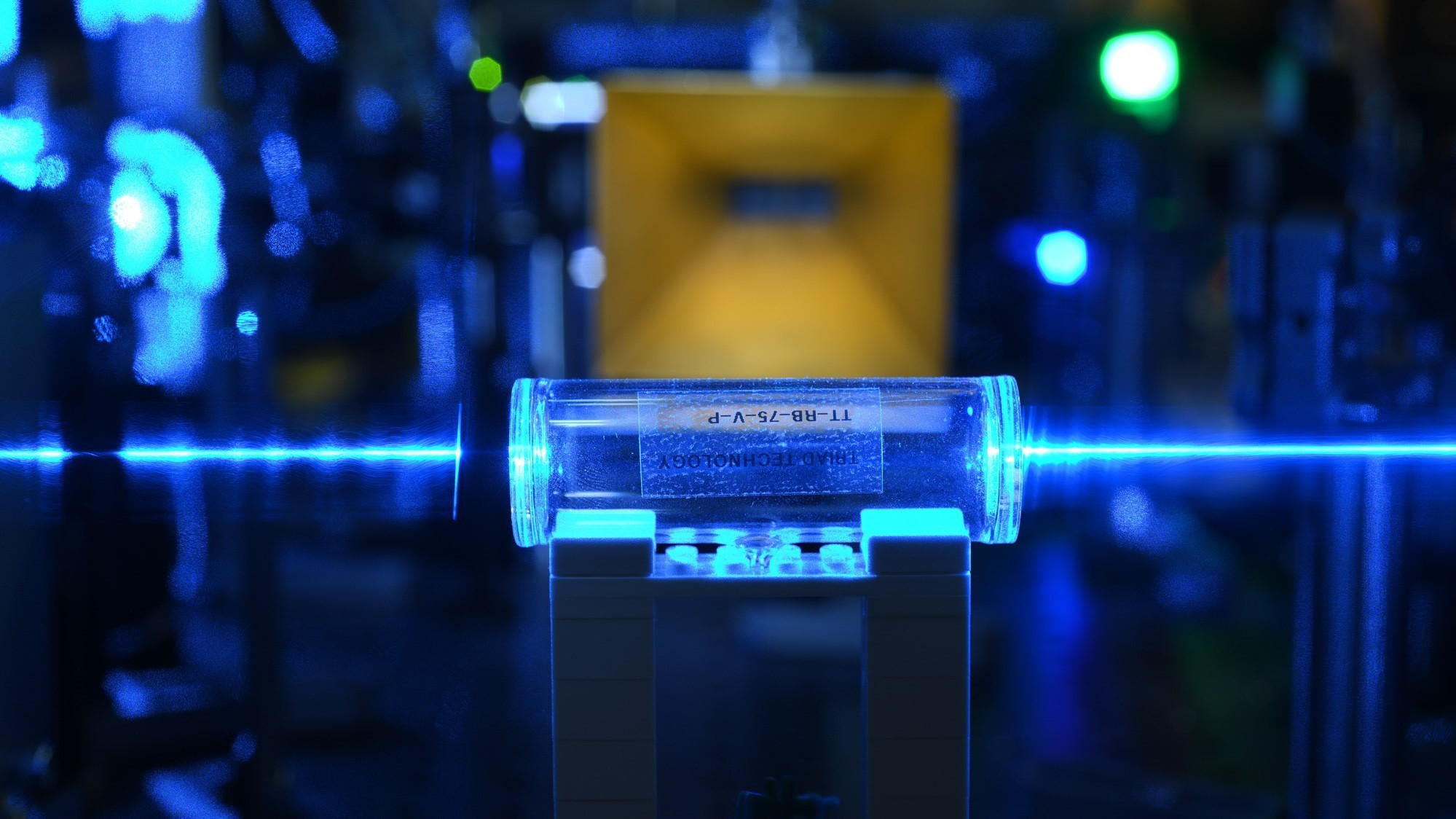
Instead of using power-hungry lasers, as was done with prior versions of these sensors, the new design measures the magnetic field using light from the sun.
The expression "you can't produce something out of nothing" is certainly familiar to all of us by now.

Dark matter was postulated to explain why stars at the galaxy's edge moved far faster than Newton had expected.
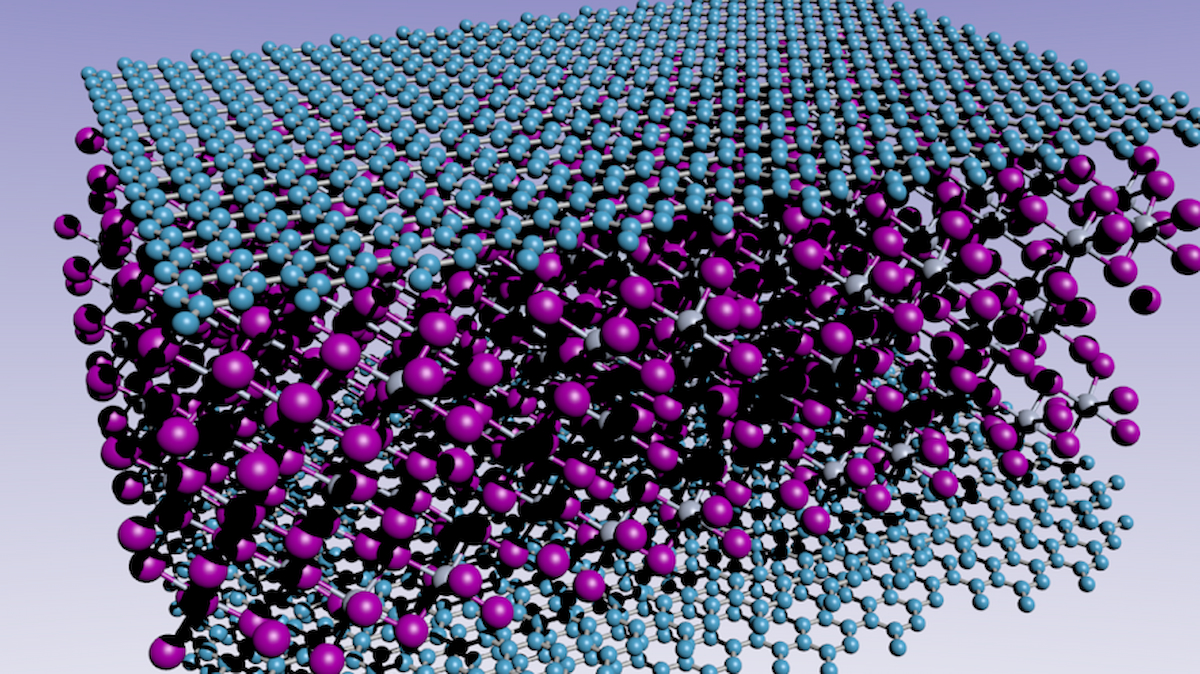
When combined with a light-emitting quasiparticle (called an exciton) with quantum information applications, new research shows that spinning quasiparticles…

A single, doomed moon could clear up a couple of mysteries about Saturn. This hypothetical missing moon, dubbed Chrysalis, could have helped tilt Saturn over…