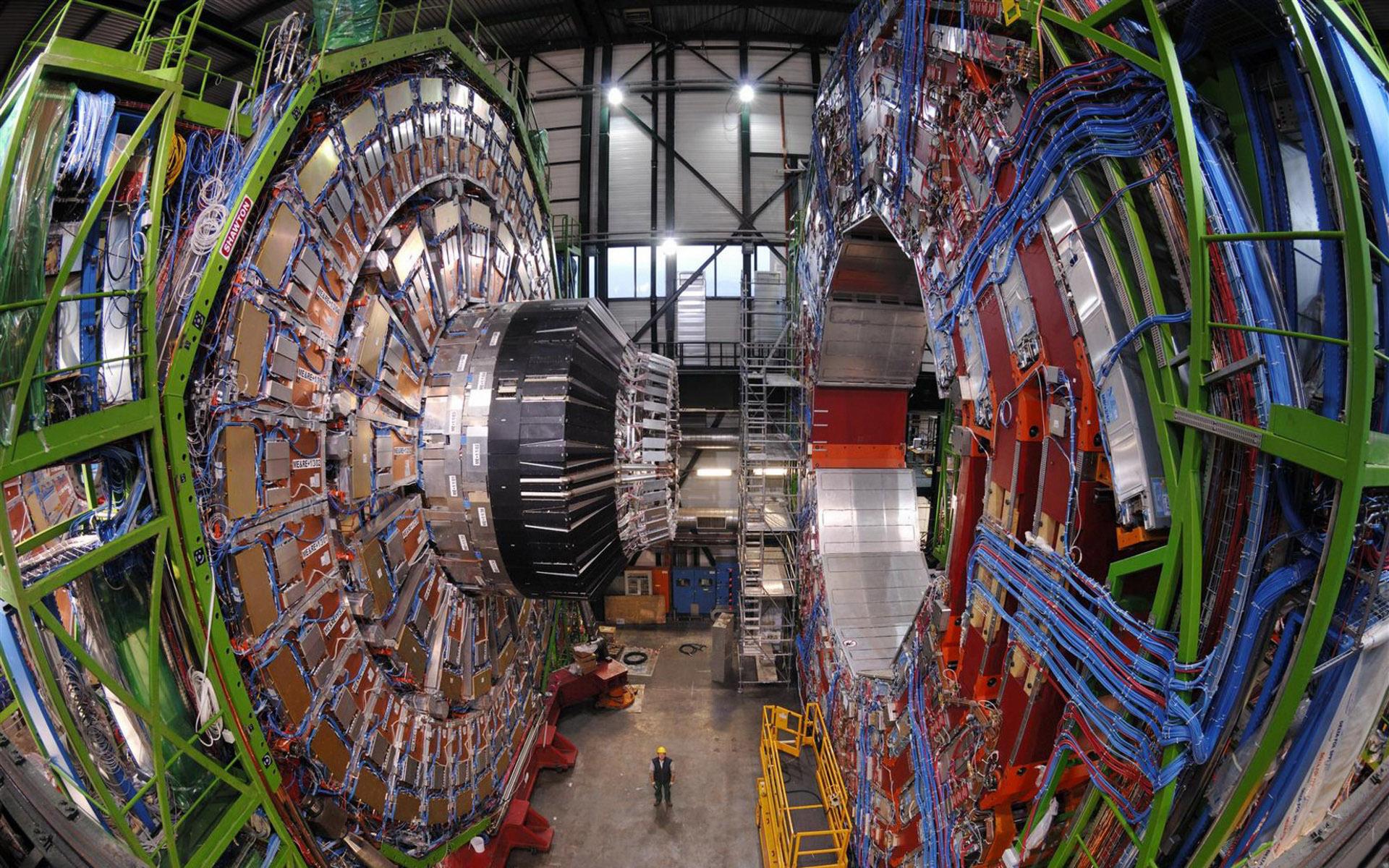
Large Hadron Collider ATLAS shifts into high gear during Run 3
The Large Hadron Collider started its third period of operation (Run 3) in July of 2022, after having undergone nearly three years' worth of upgrades and…
Research news, experiments and explainers — 936 articles on the most elusive particle in the Standard Model.
Page 35 of 78
The Large Hadron Collider started its third period of operation (Run 3) in July of 2022, after having undergone nearly three years' worth of upgrades and…
The cause of this radiation in space was ultimately uncovered after many years of investigation into the phenomenon.
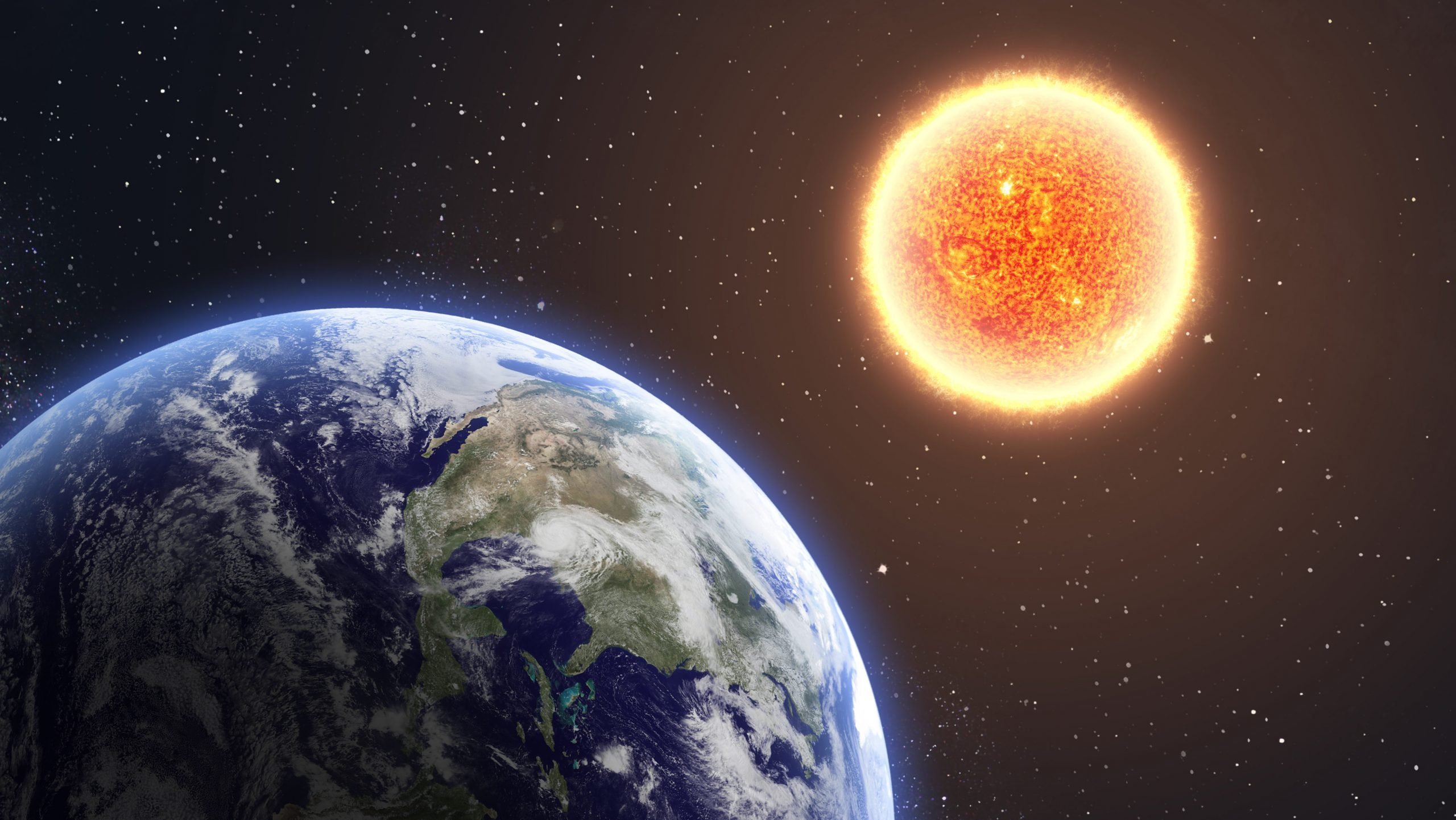
Light from the Sun moves through space's vacuum at a constant speed and, furthermore, remains unchanged until it reaches the Earth.
One step closer to becoming a reality is the most potent neutrino beam ever. In October, the Proton Improvement Plan II, or PIP-II, project successfully…

In 1967, scientists made the initial discovery of a pulsar. Astronomers have determined that some pulsars have a proper motion velocity that is greater than…
Researchers were successful in early this year in documenting the measurements of a subatomic particle known as a neutrino.

Since Takaaki Kajita and Arthur B. McDonald, the heads of two experimental groups exploring neutrino properties (Super-Kamiokande and SNO), were given the…

The Swiss energy sector is experiencing electricity shortages, particularly during the winter.
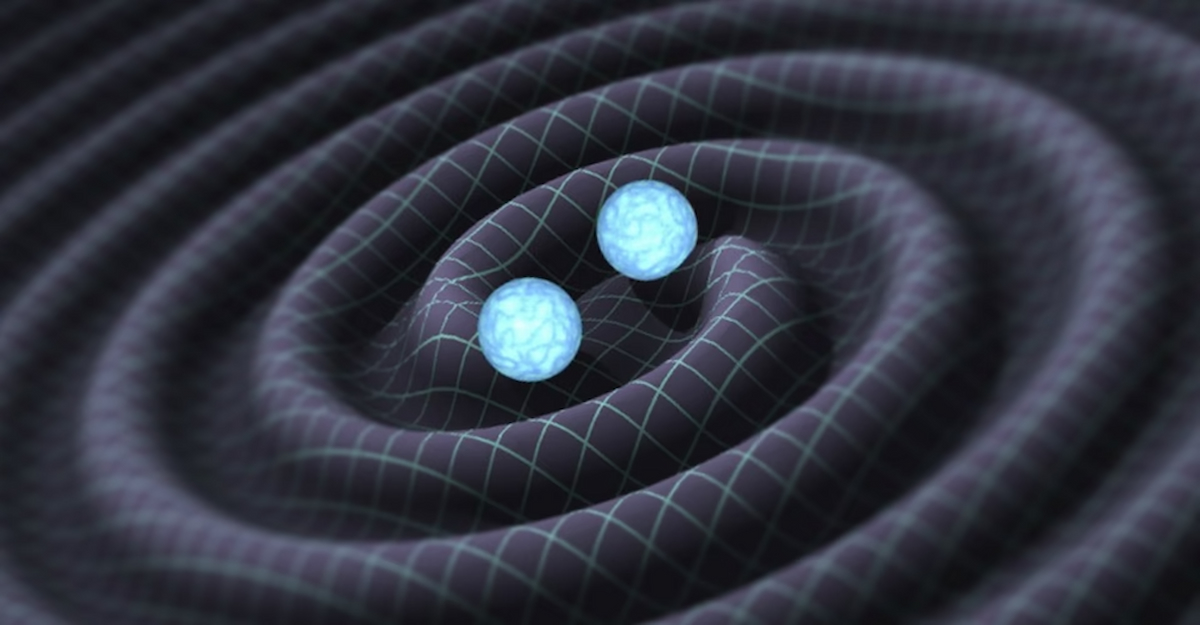
The SCIE and BBVA recognized computer scientist Pablo Morales Alvarez for his methods to determine gravitational wave effects.
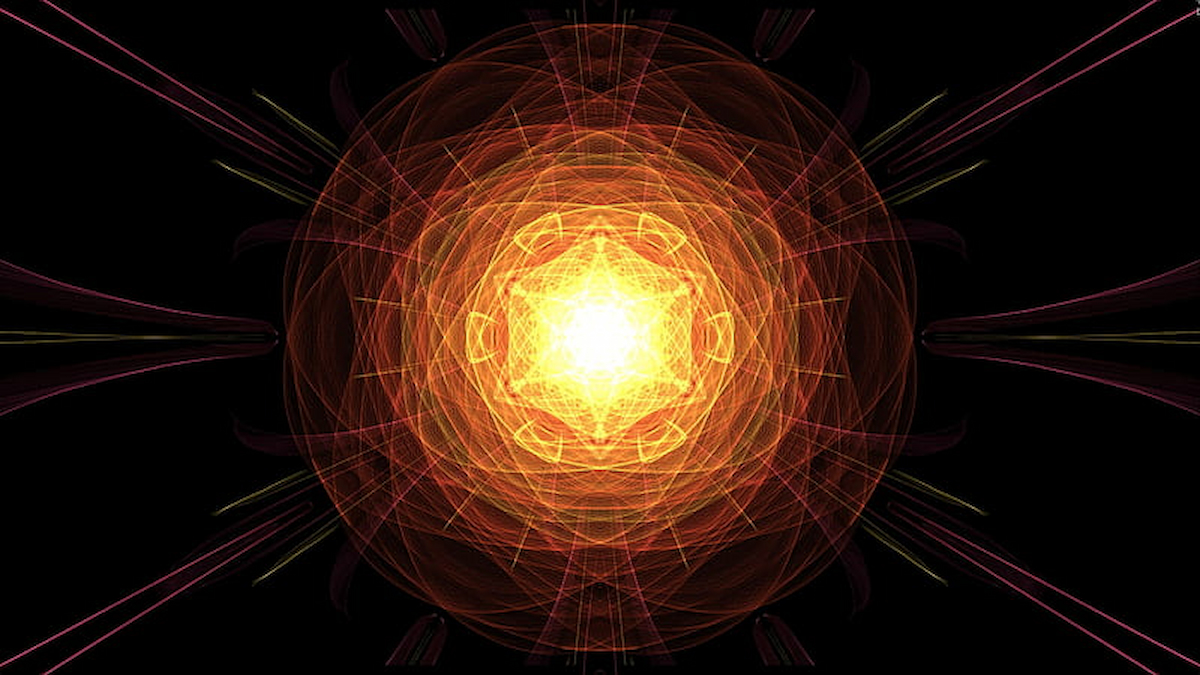
The Sun's core hydrogen fusion events release a large amount of solar neutrinos. They are therefore concrete proof that nuclear processes power the Sun.

After a three and a half year renovation of the particle accelerator Large Hadron Collider (LHC) on the France-Swiss border, nuclear scientists are poised to…
In a novel hypothesis put out in a study just published in Physical Review Letters, dark matter may be composed of ultralight dark photons that heated up our cosmos.