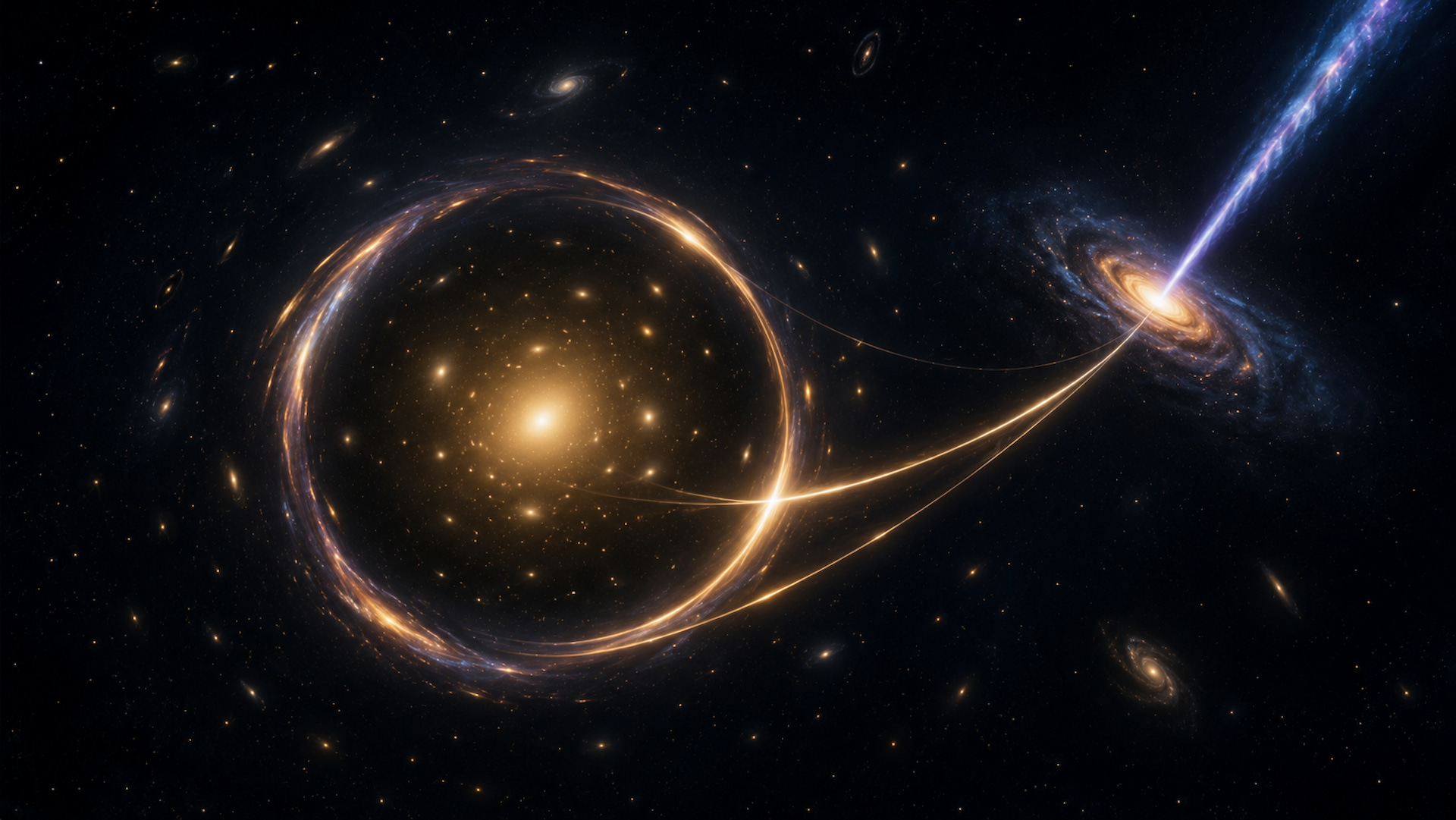
Chasing the Invisible: The Extraordinary Machines Built to Capture Neutrinos
Few scientific pursuits have demanded as much ingenuity as the effort to observe the neutrino, a particle so elusive that trillions pass through every person…
Topic
7 articles on this topic.
Few scientific pursuits have demanded as much ingenuity as the effort to observe the neutrino, a particle so elusive that trillions pass through every person…
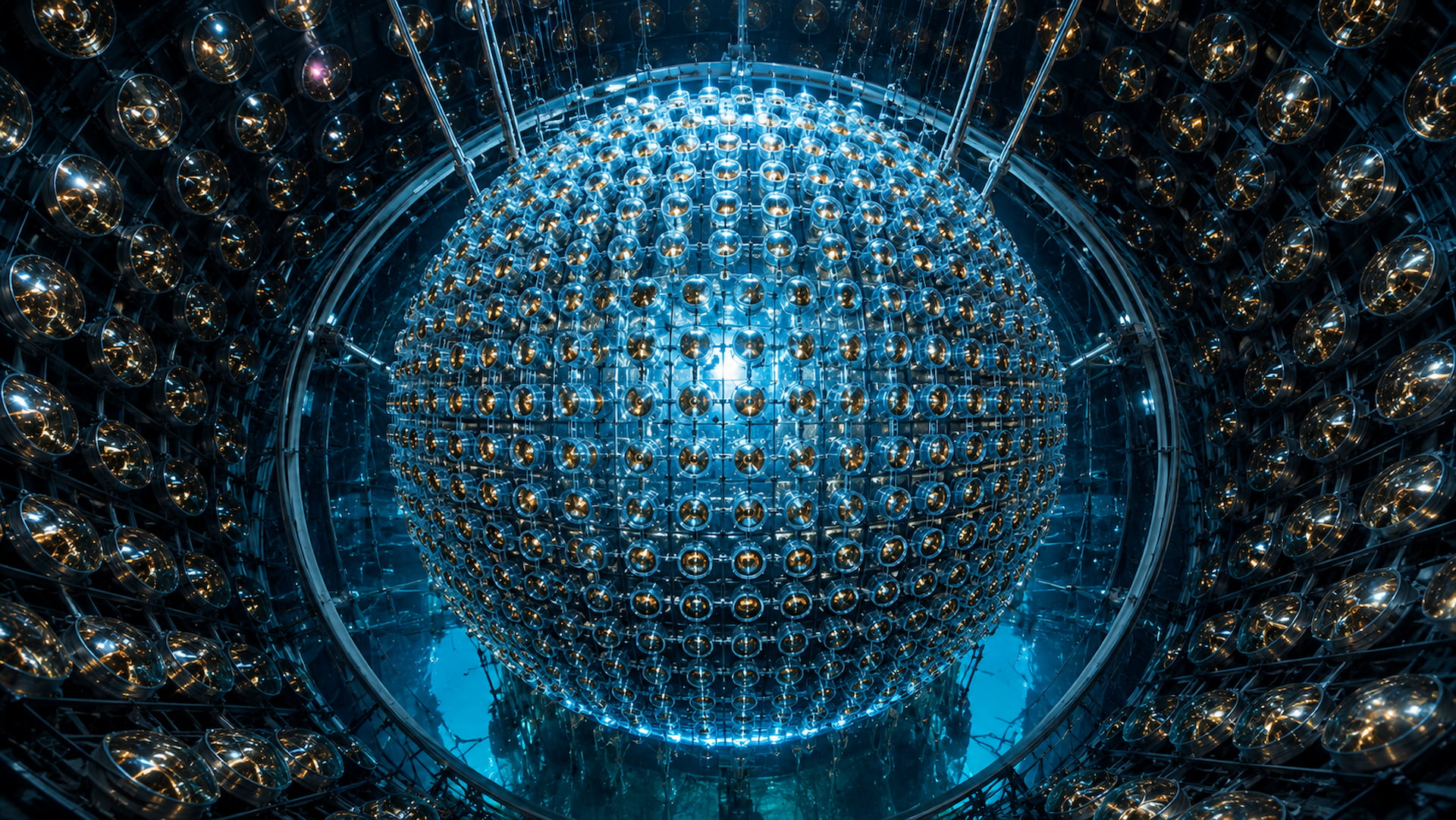
A cavern carved into the rock of southern China has become the setting for one of the most precise particle physics measurements ever achieved.

Energy debates usually revolve around storage shortages, grid bottlenecks, or seasonal volatility.

Deep beneath the hills of Guangdong, 700 meters under solid rock, a sphere filled with liquid scintillator has come alive.
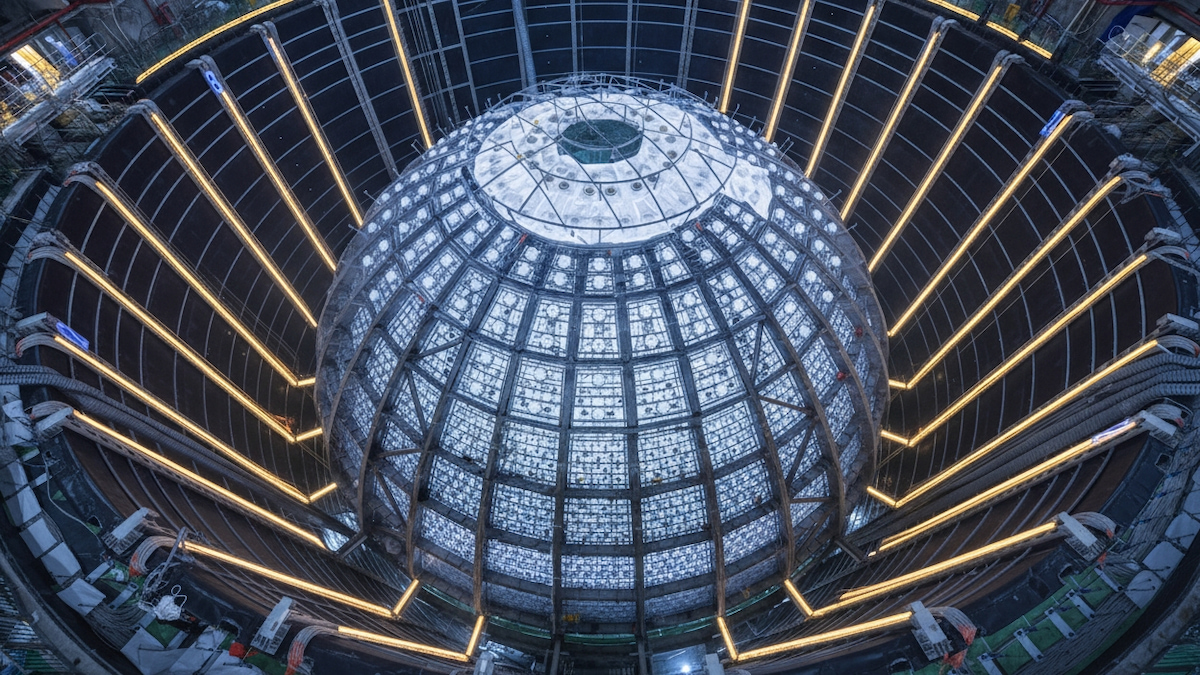
In the quiet depths beneath Jiangmen, in China’s Guangdong Province, a sphere of extraordinary size now glows with scientific promise.

Beneath the surface of the Earth, in the southern reaches of China, lies a gateway to the mysteries of the universe.
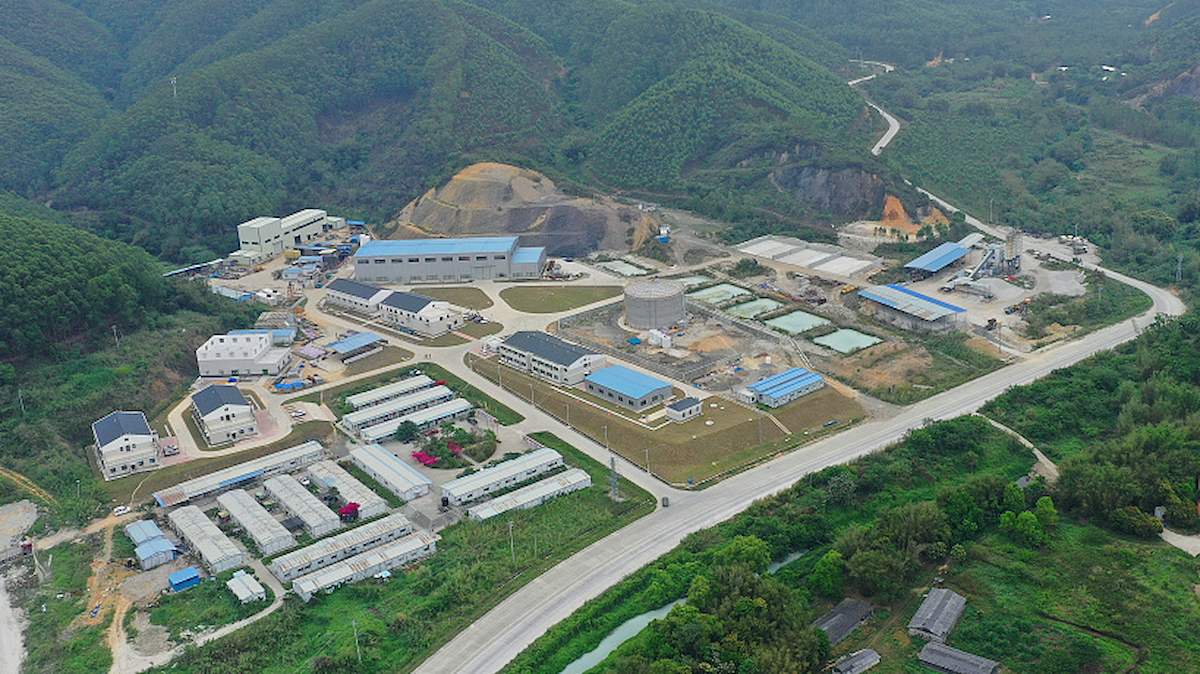
In Jiangmen City, which is located in Guangdong Province in south China, engineers are now putting together a plexiglass spherical construction that will…