
Here are the top 5 breakthroughs to look out for in 2023
The greatest difficulties facing the world can be solved intelligently and with shared prosperity thanks to technological advancement.
Research news, experiments and explainers — 935 articles on the most elusive particle in the Standard Model.
Page 31 of 78
The greatest difficulties facing the world can be solved intelligently and with shared prosperity thanks to technological advancement.
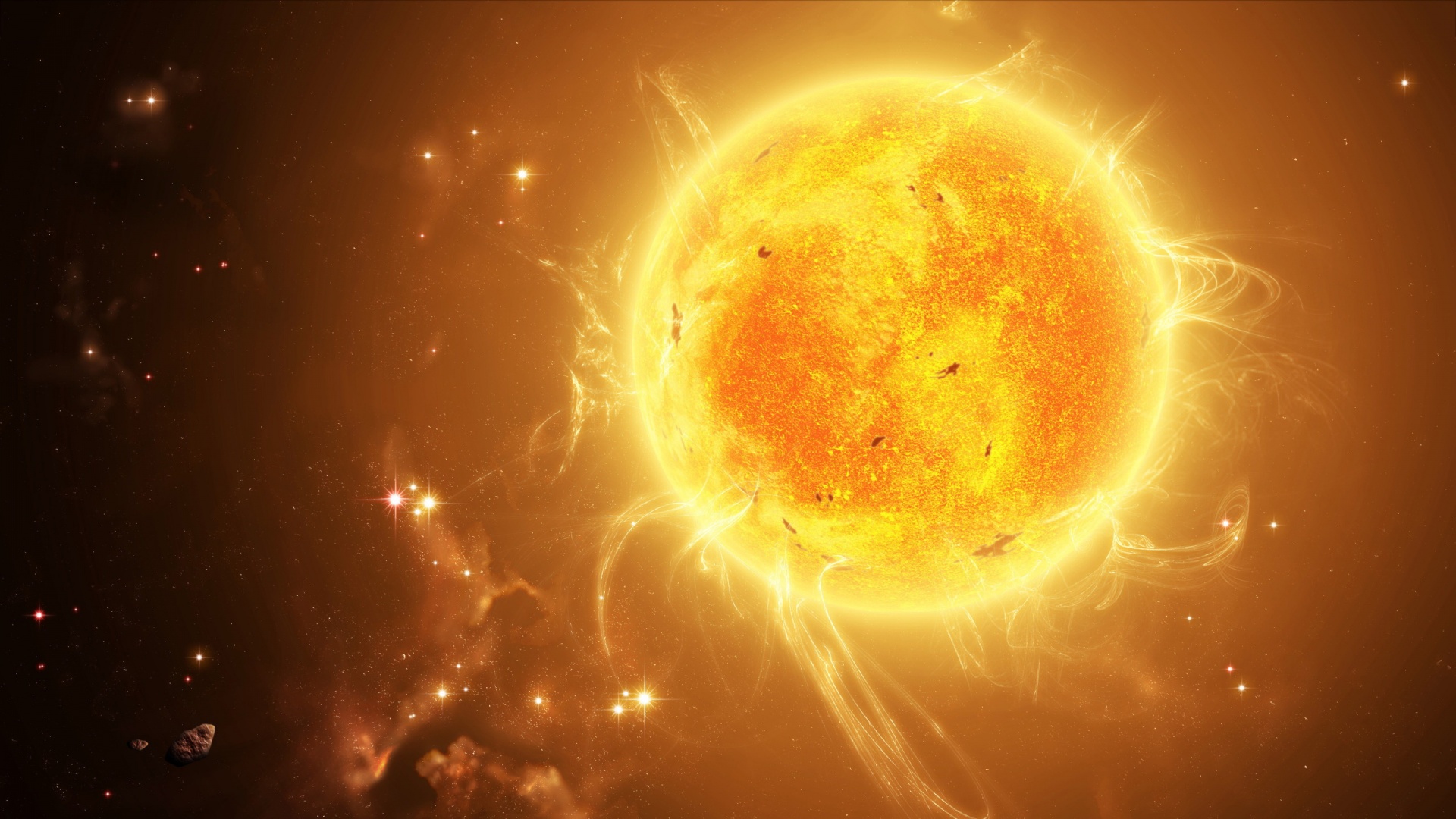
Scientists are gaining insight into the reaction processes taking place at the Sun's core by monitoring the solar neutrinos produced from solar fusion.

This remarkable vehicle generates its own energy by utilizing neutrinos and other non-visible radiation, making it the world’s first automobile that does not…

Despite their abundance—billions of neutrinos are thought to flow through human bodies every second, according to scientists—neutrinos are some of the most…
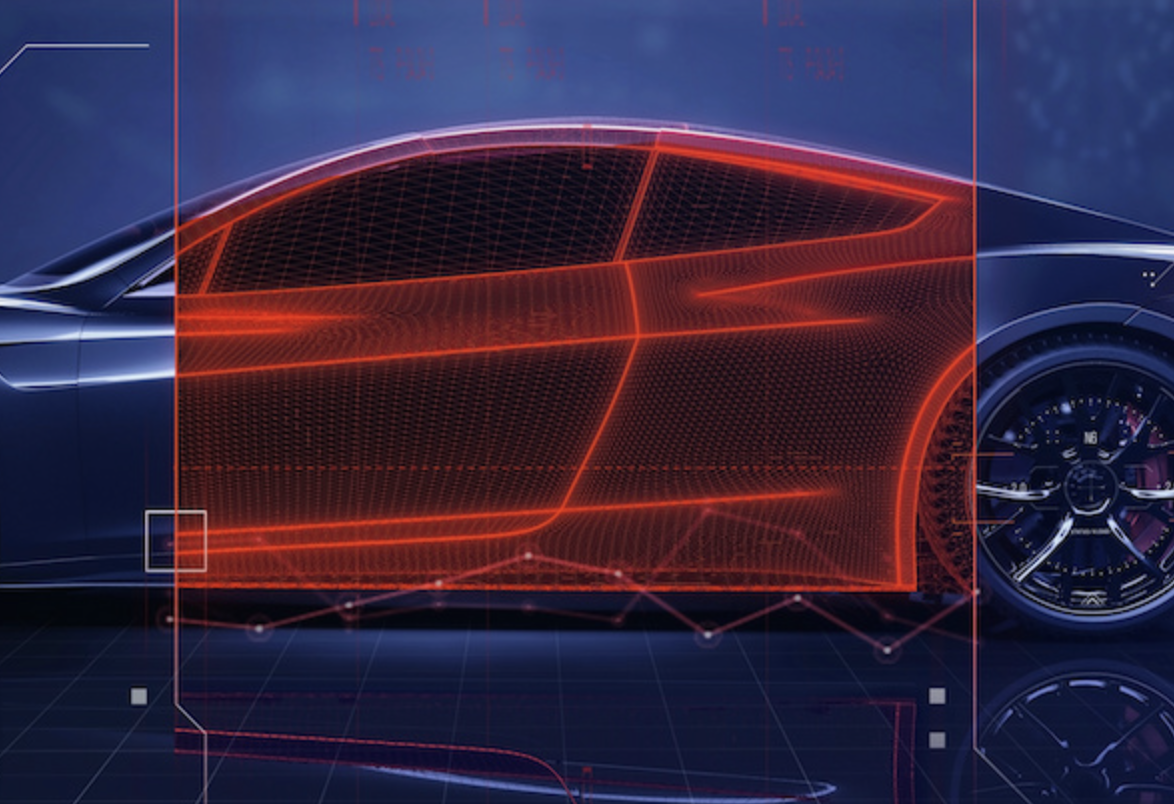
The use of electric vehicles has increased dramatically in recent years. Electric cars are becoming increasingly popular as a fuel-efficient and…

Scientists from an international experimental group claim to have found a new way to analyze the components within the nucleus of atoms, utilizing a novel…
Researchers have made significant strides in their understanding of neutrinos over the past few decades; yet, many questions still need to be answered.

The visit to India by a delegation from Neutrino Energy Group generated so much interest among the business elite and so much media and television coverage…
The planet is cold and black deep underwater, thousands of miles off the Canadian coast of British Columbia.

A novel process for producing high-energy "quantum light" has been suggested; this light might be used to look at novel atomic-scale aspects of matter.

Researchers working on the MINERvA project, which aims to solve some of physics's biggest mysteries, have found a brand-new approach to look at protons.

For decades, scientists have been baffled by protons. Since they are smaller than the wavelength of light, they cannot be seen and thus quantified using…