Discover How Particles from Space Reveal the Secrets of Our Universe — Free UChicago Public Lectures 2026
The University of Chicago is inviting the public to a new Compton Lecture Series exploring how high‑energy particles from space—known as astroparticles—can…
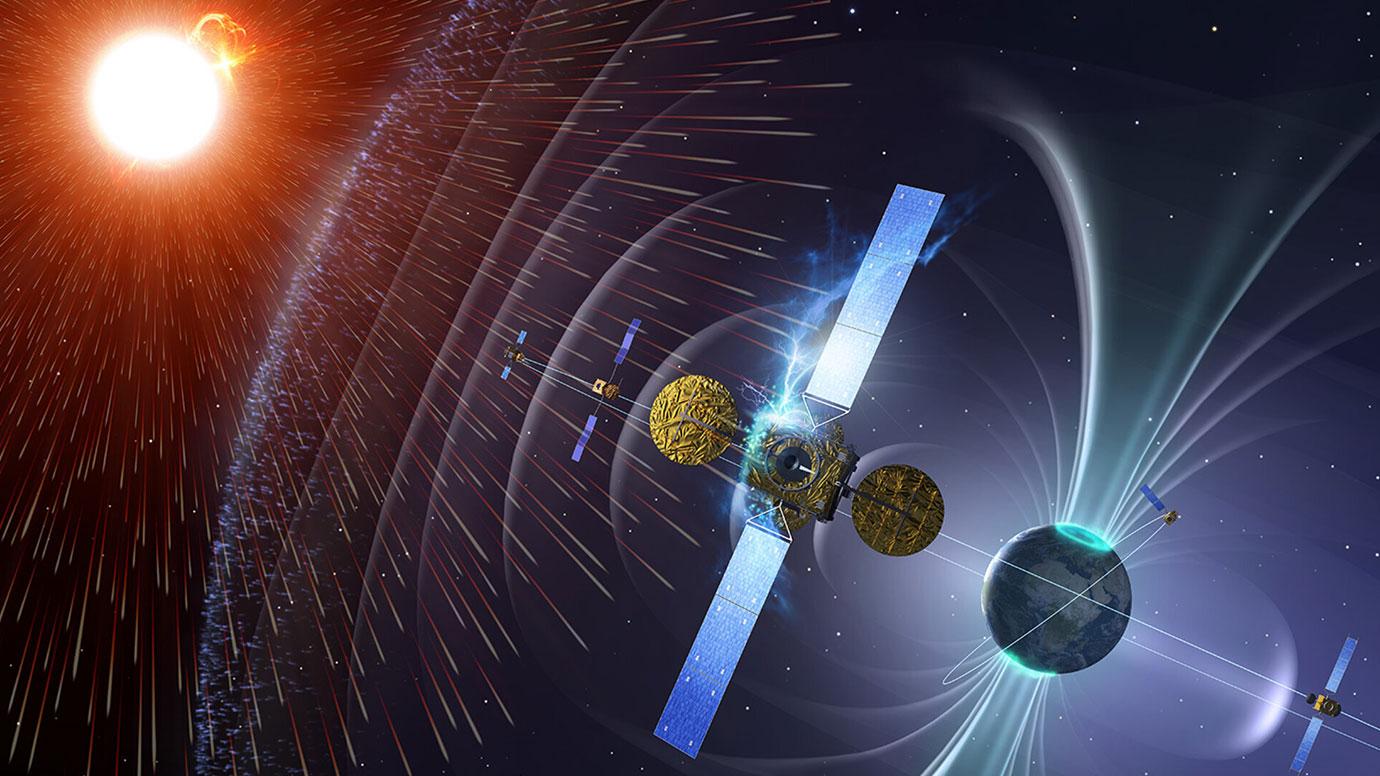
The University of Chicago is inviting the public to a new Compton Lecture Series exploring how high‑energy particles from space—known as astroparticles—can help scientists unlock mysteries of both the cosmos and planet Earth.
Led by UChicago physicist Keith McBride, the talks will delve into the most extreme messengers in the universe: neutrinos, cosmic rays, and muons. These elusive subatomic particles travel across unimaginable distances, offering clues about supermassive black holes, exploding stars, and even the hidden composition of Earth’s core.
Exploring the Universe Through Astroparticles
Last month, the Payload for Ultrahigh Energy Observations (PUEO) mission—led by UChicago—returned from a NASA balloon expedition near the South Pole. The balloon soared 120,000 feet above Earth to capture signals from some of the universe’s most energetic particles.
According to McBride, studying these high‑energy particles helps scientists answer fundamental questions: Where do they come from? How old are they? What can they tell us about the history of the universe?
“By detecting these cosmic messengers,” says McBride, “we can trace their journey through space and learn how extreme environments, like supernovae or black holes, accelerate them to incredible speeds.”
Cosmic Rays, Neutrinos, and the Mysteries of Earth
Cosmic rays and neutrinos don’t just tell us about far‑off galaxies—they also open new windows into understanding Earth itself. Researchers use muons, secondary particles created when cosmic rays hit our atmosphere, to image volcanic interiors and even ancient pyramids.
Neutrinos interact with dense materials in unique ways, allowing scientists to map the planet’s inner layers by observing how many pass through the Earth unimpeded.
Another surprising connection? Cosmic rays might hold the key to lightning formation. As McBride explains, charged particles from space could help trigger the chain reactions that produce lightning strikes.
Looking Beyond Earth — Cosmic Rays on the Moon
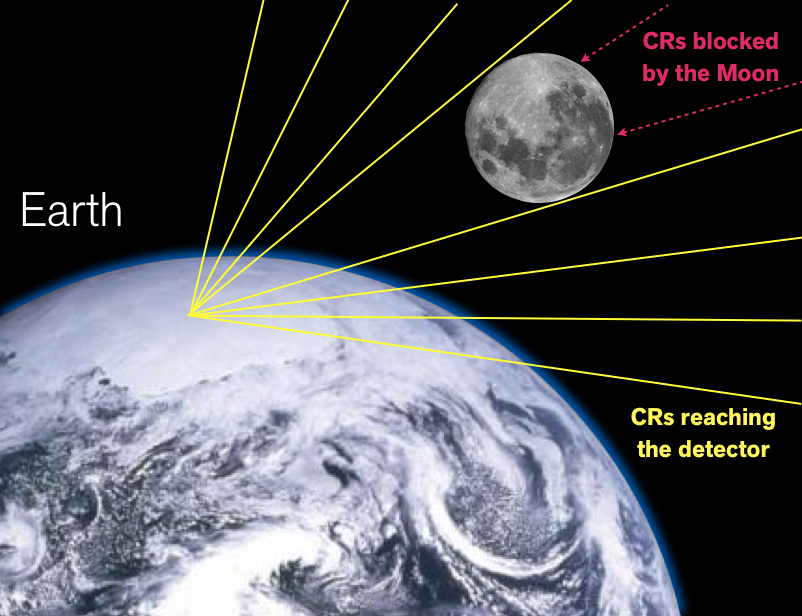
In May, UChicago collaborator Payton Linton from The Ohio State University will share how a proposed lunar orbiter mission could detect water ice under the Moon’s surface using interactions between cosmic rays and lunar materials.
The research shows how particle physics extends far beyond astronomy—bridging disciplines from planetary science to geophysics. “What many people don’t realize,” says McBride, “is that astroparticle physics helps us understand not just the universe above us but also the world beneath our feet.”
Attend the 2026 Compton Lecture Series
The Arthur H. Compton Lectures, sponsored by the Enrico Fermi Institute, are free and open to the public. The spring 2026 series runs Saturdays from March 28 through May 16 at 11 a.m. at the University of Chicago campus, offering anyone curious about modern astrophysics a chance to learn directly from leading researchers.
Through these talks, participants can explore how the smallest cosmic particles are helping us answer some of the biggest questions: How did the universe form, and what forces still shape it today?