Did a Black Hole Just Explode? Scientists Investigate Record-Breaking Cosmic Particle
A mysterious ultra-high-energy particle detected in 2023 is challenging our understanding of the universe—and scientists now believe it may be evidence of an…
On this page
A mysterious ultra-high-energy particle detected in 2023 is challenging our understanding of the universe—and scientists now believe it may be evidence of an exploding primordial black hole.
Unprecedented Neutrino Detection Stuns Scientists
In 2023, researchers detected a neutrino with an energy level so extreme that it defied known physics. The particle carried 100,000 times more energy than anything produced by the Large Hadron Collider, making it one of the most powerful particles ever observed.
This unexpected discovery raised a critical question: What kind of cosmic event could generate such immense energy?
A New Theory: Exploding Primordial Black Holes
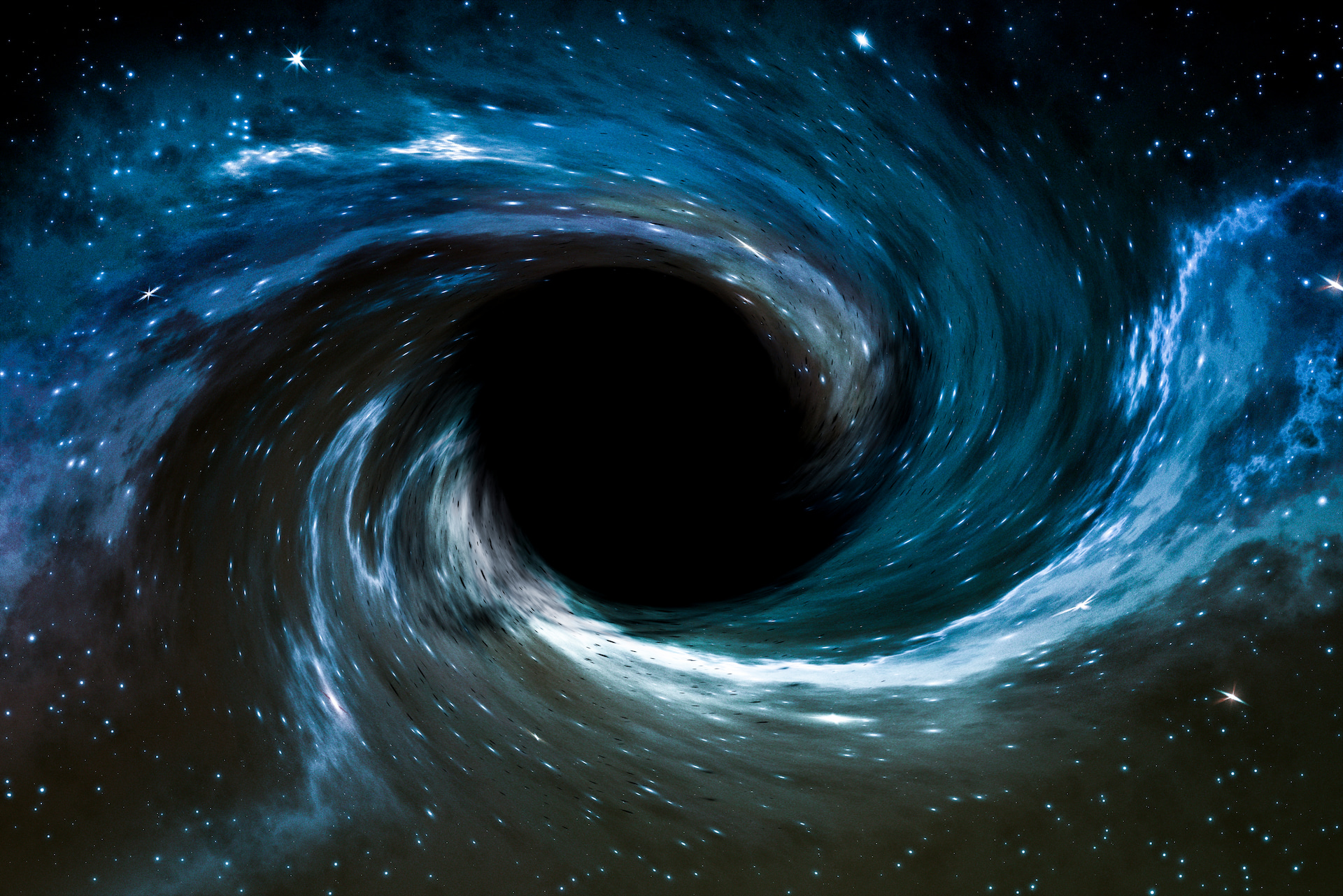
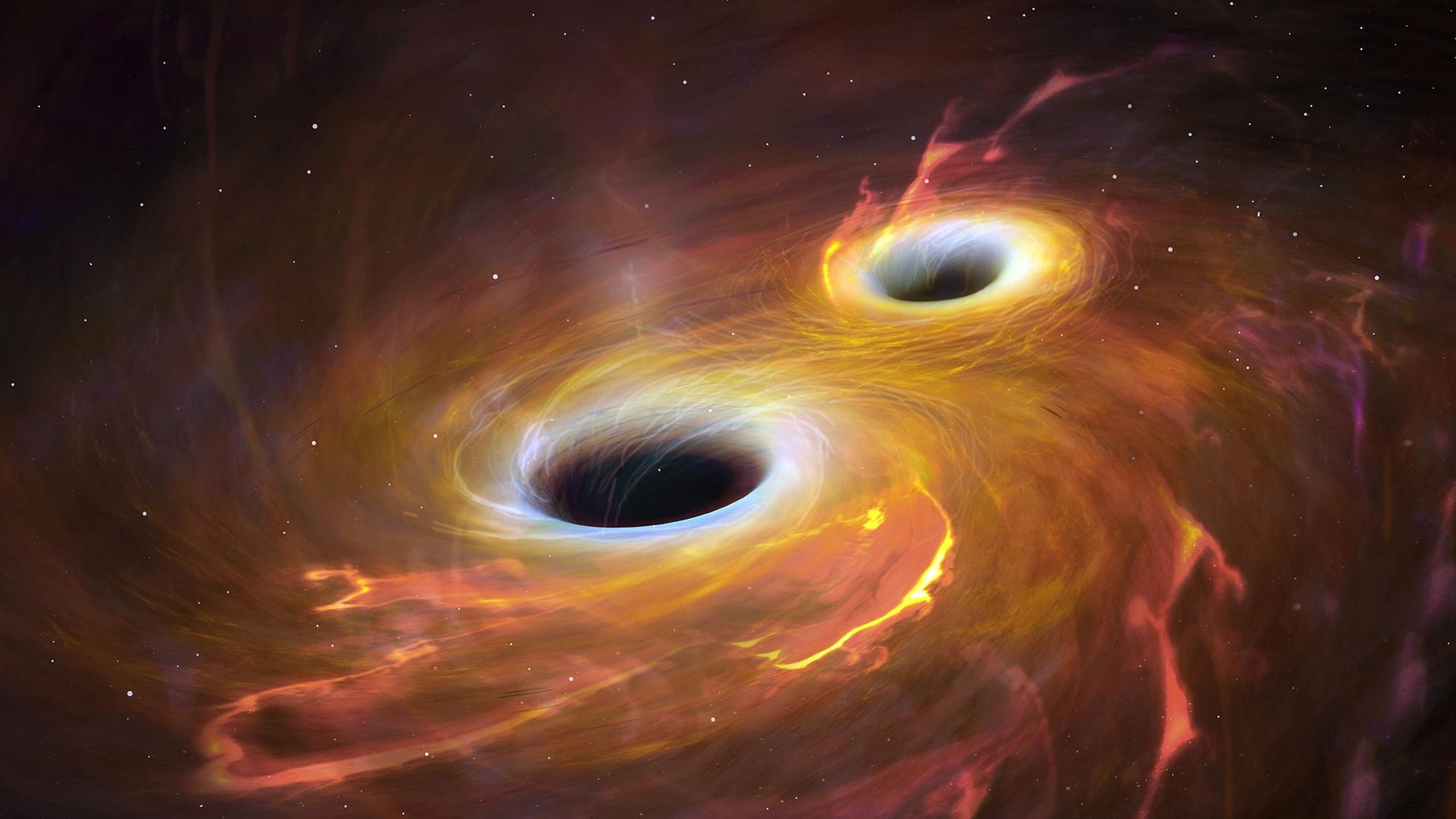
Physicists now propose a groundbreaking explanation—an exploding primordial black hole, a theoretical object formed shortly after the Big Bang.
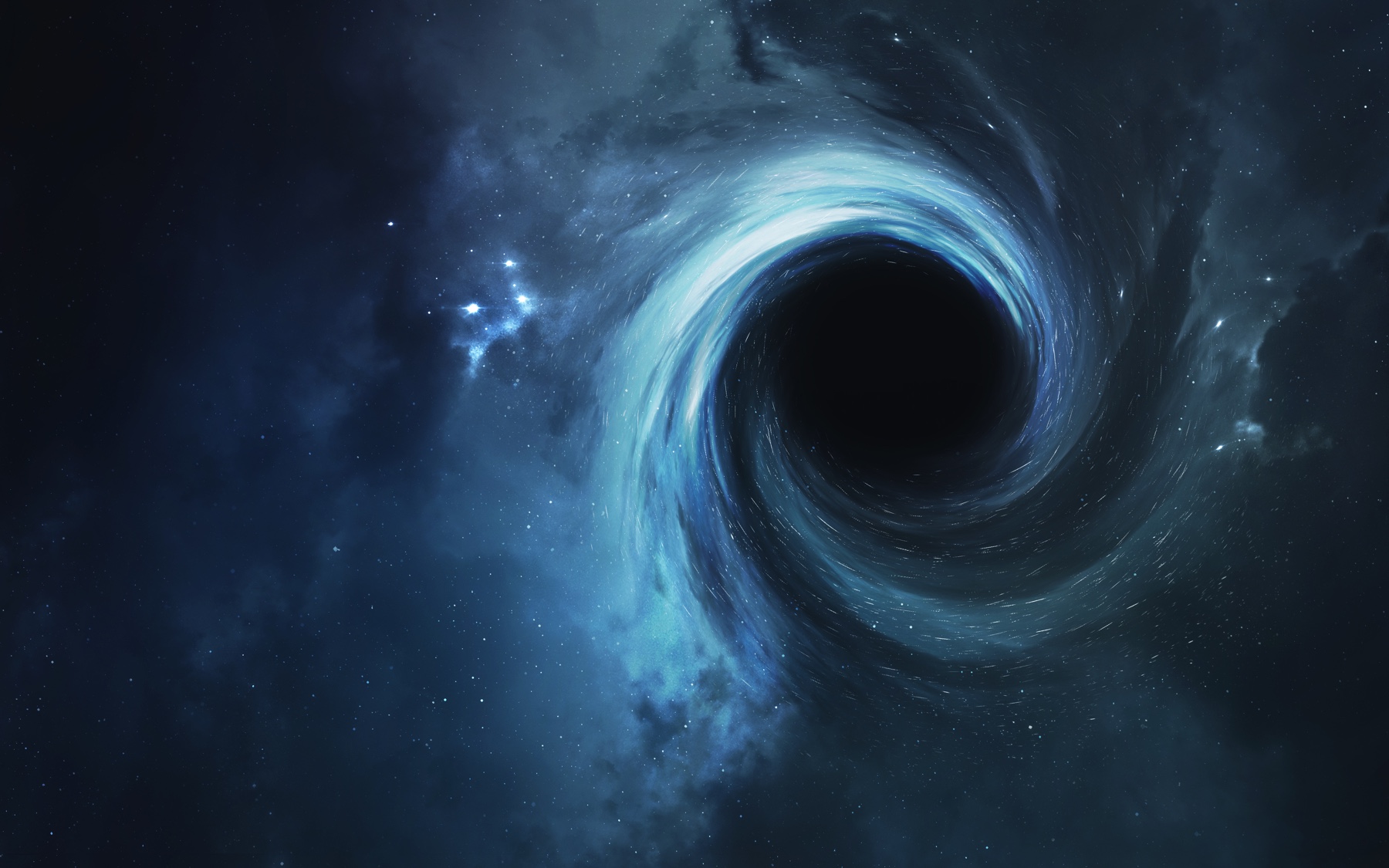
Unlike traditional black holes, primordial black holes could be much smaller and may still exist today. According to the new study, a rare type known as a “quasi-extremal primordial black hole” could release enormous bursts of energy when it collapses or evaporates.
This explosive event could generate neutrinos powerful enough to match the one detected on Earth.
What Makes This Discovery So Important?
This finding could reshape modern physics and open new doors in cosmology:
- New insights into the early universe: Primordial black holes are thought to be relics from the Big Bang.
- Potential link to dark matter: These objects may help explain one of the biggest mysteries in physics.
- Discovery of new particles: The event could reveal unknown forms of matter or energy.
Scientists also suggest that these black holes might carry a mysterious “dark charge,” which could explain why such events are extremely rare and difficult to detect.
Why Only One Detector Saw the Event
Interestingly, only one experiment recorded this ultra-powerful neutrino. Researchers believe this could be due to the rare and highly directional nature of such cosmic explosions.
This supports the idea that we may only observe these events occasionally—making each detection incredibly valuable.
The Future of Cosmic Research
If confirmed, this discovery could mark a major breakthrough in astrophysics. It may:
- Validate long-standing theories proposed by physicists like Stephen Hawking
- Provide direct evidence of primordial black holes
- Help scientists better understand the fundamental structure of the universe
Conclusion
The detection of this “impossible” particle could be the first real evidence that primordial black holes exist—and that they can explode. While more research is needed, this theory offers an exciting glimpse into some of the deepest mysteries of the cosmos.