
The Particle That Crosses Everything, and the Materials Learning to Respond
Deep beneath a Japanese mountain, a detector has spent thousands of days listening for one of the universe's faintest signals.
Topic
7 articles on this topic.
Deep beneath a Japanese mountain, a detector has spent thousands of days listening for one of the universe's faintest signals.

Deep beneath the Black Hills of South Dakota, in a silent cathedral carved from ancient stone, scientists are chasing an invisible current that may illuminate…

The universe whispers its secrets in enigmatic ways, and neutrinos—tiny, near-invisible particles—are among its most cryptic messengers.

At CERN, the group headed by Dr. Jamieson is set to conduct pivotal research of tremendous significance.
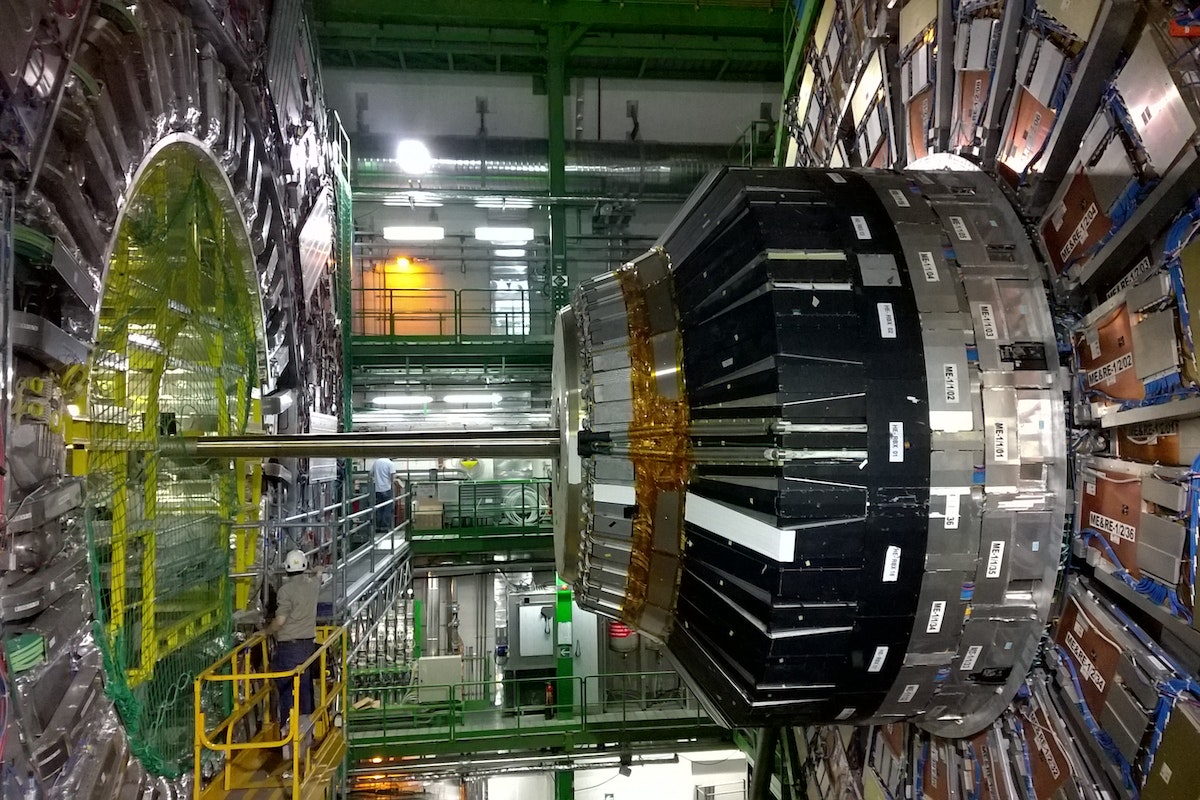
Nestled within the confines of CERN's Neutrino Platform on the Prévessin campus in France are two colossal structures encased in a vibrant red grating.
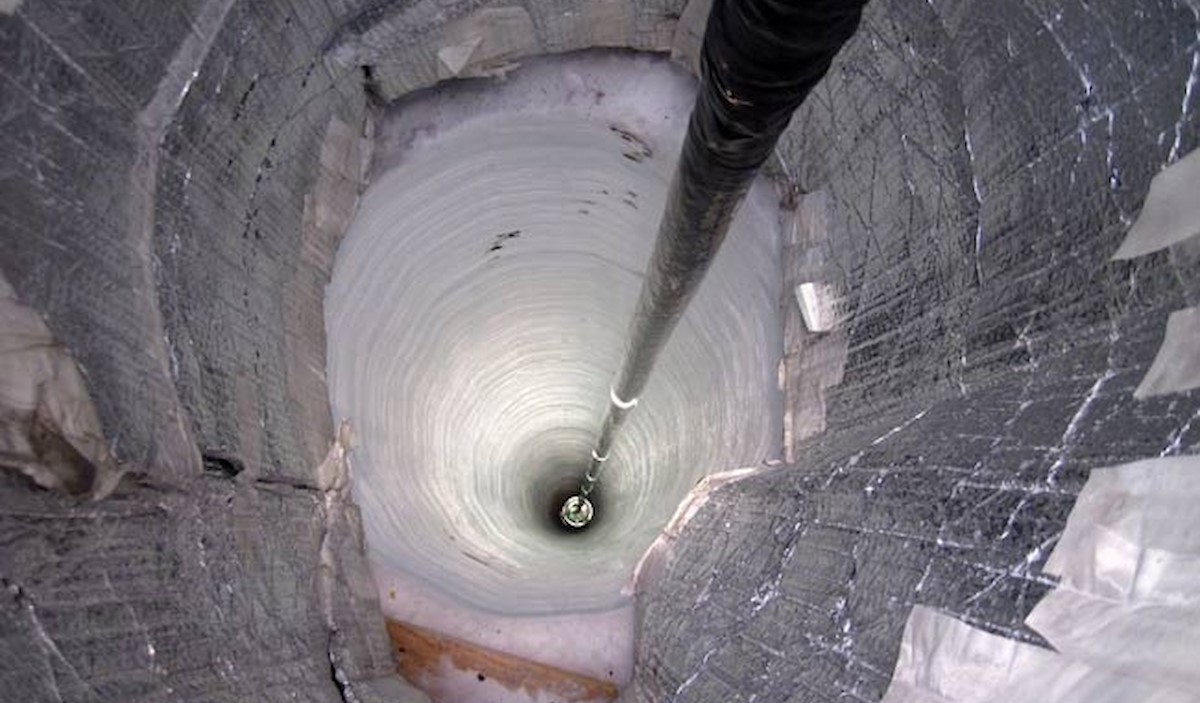
Physicists declare that the IceCube neutrino telescope has not found any anomalies in the transformation of three different types of neutrinos into each…

There is a possibility that the solution to one of the most perplexing questions about the cosmos can be found in one of the tiniest and creepiest particles.